


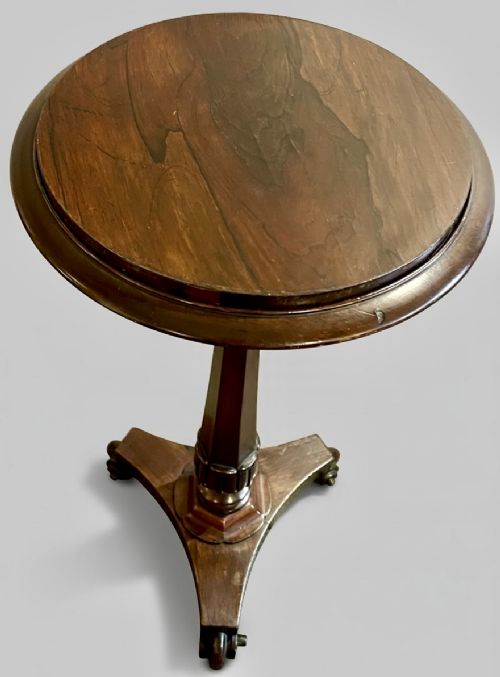
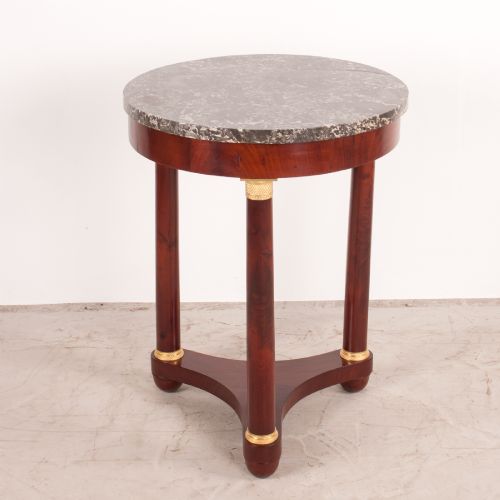
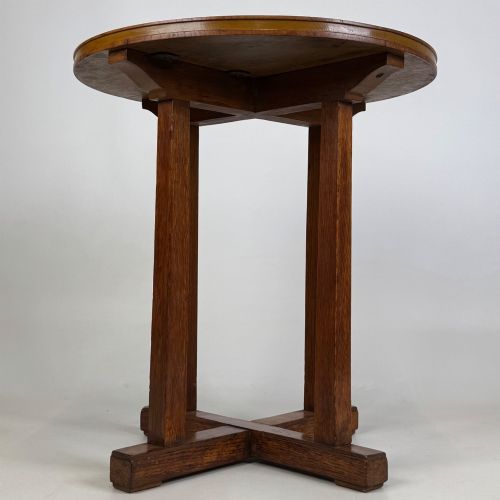
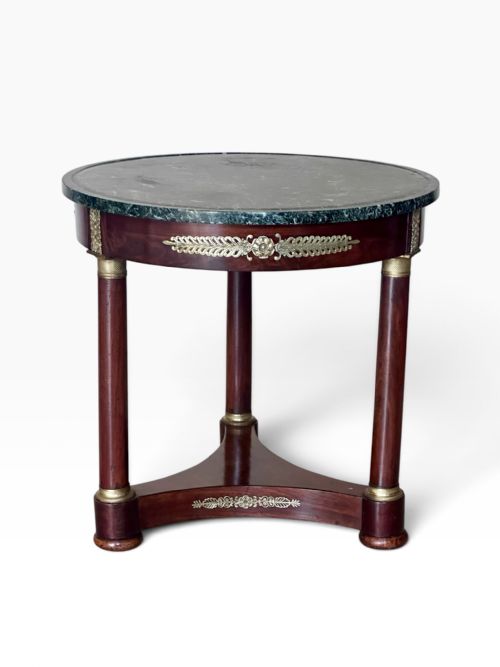



Round Base Side Table
A round base side table delivers compact utility and sculptural presence, bringing classical proportions and timber grain to tight corners.
Round Base Side Table
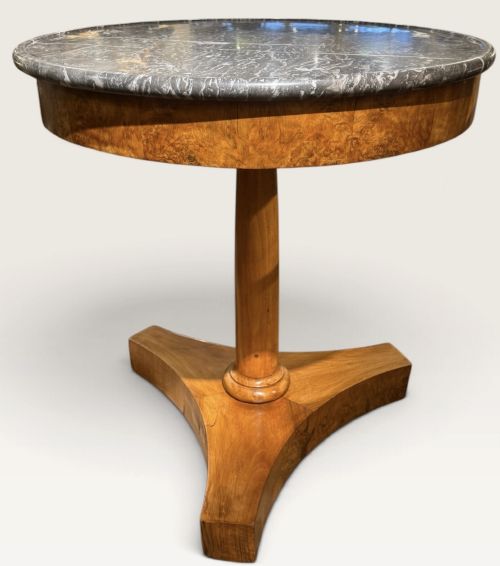
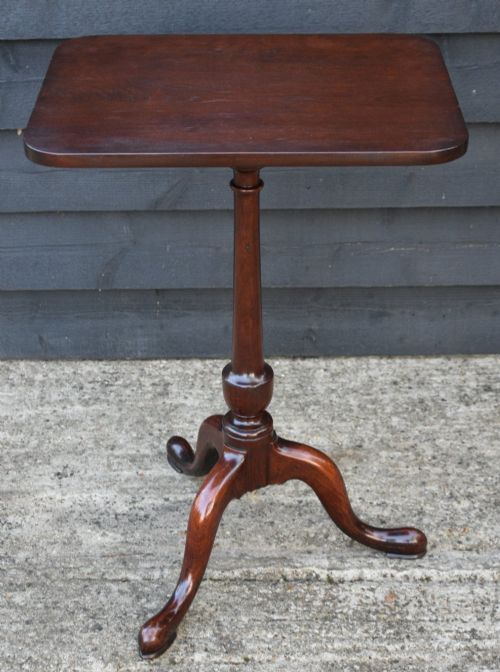
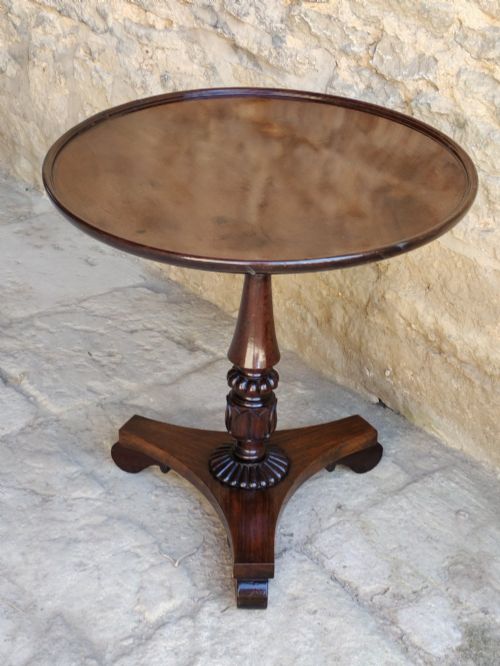
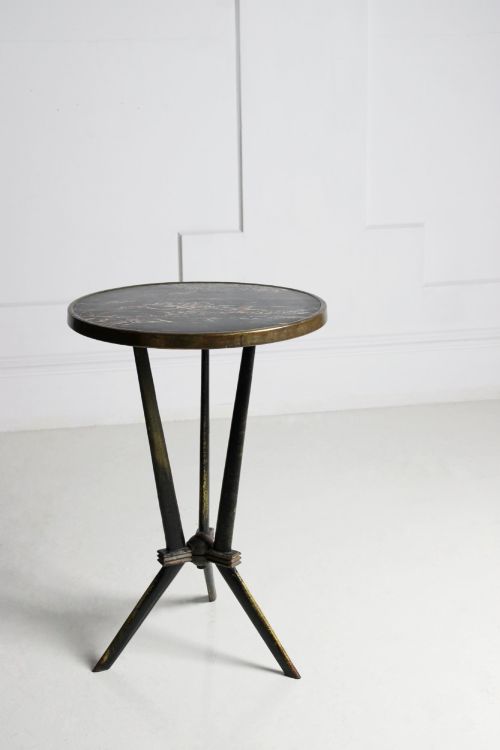
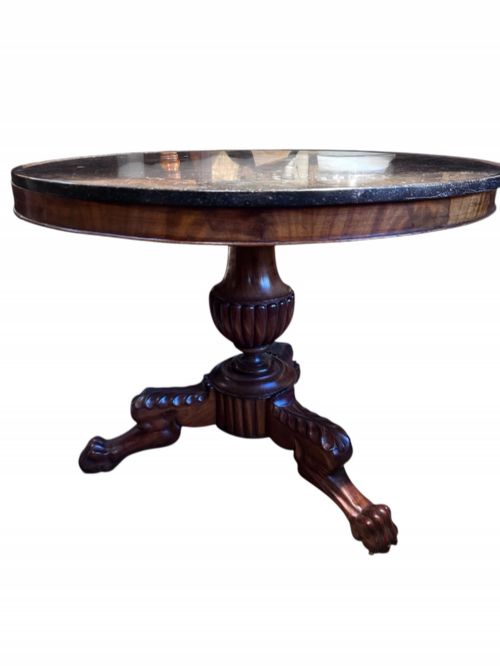
A round base side table encompasses pedestals, gueridons, tripod tables, and wine tables designed for occasional use. These pieces stand on central pillars supported by tripod legs, platform bases, or heavy metal feet rather than four distinct corners.
The selections available here span from eighteenth-century George III mahogany pieces to nineteenth-century French gueridons and twentieth-century cafe tables. Buyers frequently encounter tilt-top mechanisms, marble surfaces, and varied timber veneers across these forms.
Origins stretch from British workshops to French ateliers, encompassing diverse domestic functions from serving wine to holding lamps. Each circular top sits poised to anchor a seating arrangement or fill an awkward alcove.
Materials and construction methods
Cabinetmakers utilised dense hardwoods such as mahogany, rosewood, fruitwood, and burr elm for tops and stems, often selecting figured veneers to catch the light. Timber sections were joined to central pillars using traditional dowels, blocks, and bespoke turning techniques.
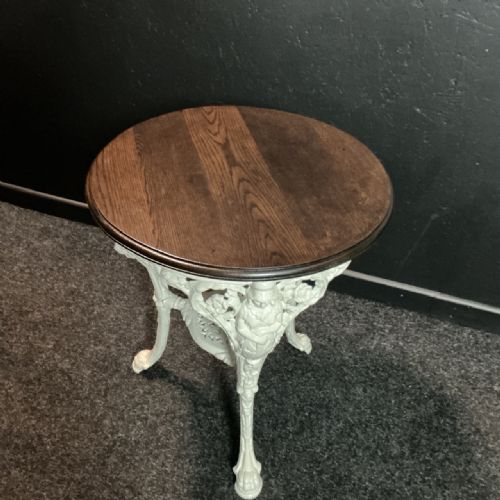
Heavy foundational support relied on cast iron, brass, or carved timber tripods, frequently embellished with ormolu mounts, gilt wood, or scrollwork. Marble slabs and inset leather tops provided durable, cool surfaces intended for heavy daily use.
Round Base Side Table Retail Price Guide 2026
Typical asking prices for round base side table among the pieces listed under this phrase on Sellingantiques today, from the lower quarter to the upper quarter. They describe what is for sale here now, not the wider market.
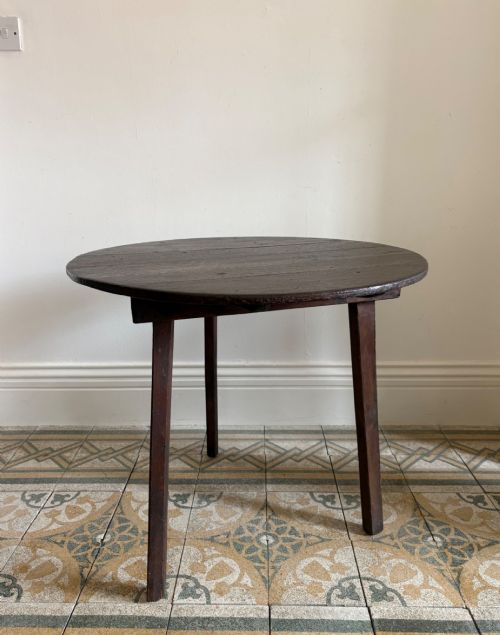
Current listings feature nineteenth-century French gueridons alongside British mahogany wine tables, cricket tables, and twentieth-century cafe furniture.
Factors that determine quality
The distinction between standard utility items and exceptional examples lies in the selection of timber veneers and the crispness of the turning. Finely figured burr elm or rich mahogany grain exhibits deliberate pattern matching that elevates the entire piece.
Structural integrity of the central column and base joint dictates longevity, separating sturdy items from those compromised by loose glue or warped timber. The weight and finish of applied brass, cast iron, or marble components also indicate workshop pedigree.
The Round Base Side Table Glossary
- Gueridon
- A small French occasional table supported by a central column or pedestal. These pieces often feature circular marble tops and classical styling.
- Tilt-top
- A hinged tabletop mechanism allowing the surface to fold vertical when not in use. This clever design saved valuable floor space in historical interiors.
- Tripod base
- A three-legged support structure attached to a central pedestal. This configuration ensures stability on uneven historical floors.
- Dumbwaiter
- A multi-tiered circular side table used for serving food or drinks without domestic servants present. These tall stands feature graduated stacked trays.
- Ormolu
- Gilt bronze mounts applied to furniture for decorative enrichment. The technique was widely utilised in French Empire and Regency designs.
Round Base Side Table: Frequently Asked Questions
What is a gueridon table?
A gueridon is a French pedestal table featuring a circular top supported by a central column. They frequently incorporate marble surfaces and tripod or platform feet.
Historically utilised as candle stands or small serving tables, these pieces now function readily as lamp tables in modern interiors.
How do I use a wine table?
Wine tables provide a compact surface designed to sit beside an armchair for drinks or small objects. Their narrow profile occupies minimal floor space.
Many period examples include tilt-top mechanisms that allow the surface to fold flat against a wall when clearing the room.
Are marble top tables heavy?
Marble top tables possess considerable weight due to the stone slab inset into the wooden or metal frame. This mass provides natural stability to the pedestal base.
When moving these pieces, separate the marble top from the base if possible to prevent accidental damage during transit.
What distinguishes Regency tables?
Regency tables display classical restraint, often incorporating dark mahogany, brass inlay, and saber legs. The style draws inspiration from ancient Greek and Roman forms.
These pieces typically showcase clean architectural lines and refined proportions suited to formal entertaining spaces.