



Rotating Tray Table
A rotating tray table serves food smoothly across the board, bringing every dish within easy reach of the dinner table.
Rotating Tray Table
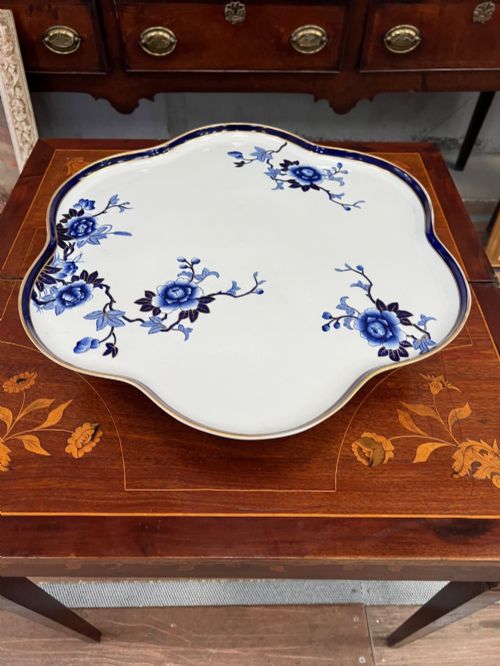
A rotating tray table provides a practical surface that turns on a central pivot, allowing diners to share dishes effortlessly without passing platters across the board. These pieces appear in forms such as lazy susans, dumb waiters, and serving trays designed to sit upon a dining table or stand independently.
The versions most commonly met on this page span the Georgian, Victorian, and Edwardian periods, alongside early twentieth-century examples. Makers constructed these revolving servers primarily for dining rooms, using sturdy mechanisms to bear the weight of heavy tableware and large food portions.
How they were made
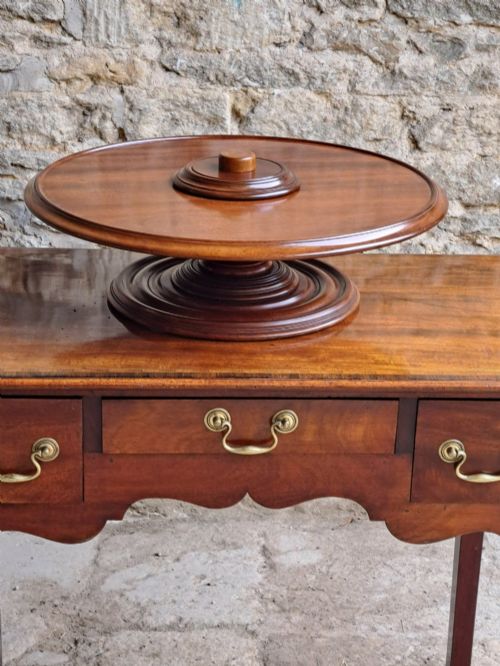
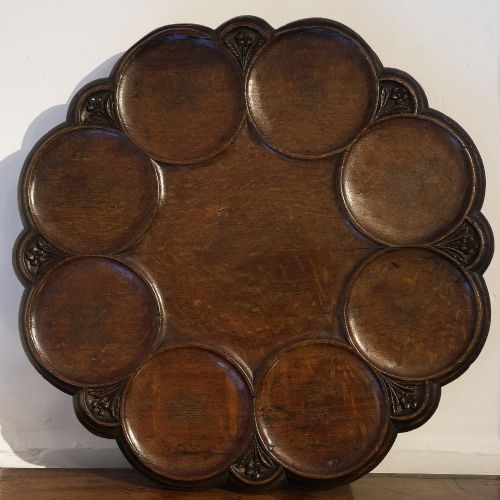
Cabinet makers built these rotating pieces predominantly from rich timbers such as mahogany, Cuban mahogany, and oak, often shaping the edges with carved detailing. Early examples rely on robust wooden pivots or simple metal bearings concealed beneath the revolving surface to ensure a smooth, silent turn.
Some multi-tiered models integrate glass or auxiliary trays supported by turned timber columns and sturdy cross bases. Craftsmen selected dense hardwoods to prevent warping under regular use, finishing the surfaces with traditional polishes that highlighted the natural grain of the wood.
Rotating Tray Table Retail Price Guide 2026
Typical asking prices for rotating tray table among the pieces listed under this phrase on Sellingantiques today, from the lower quarter to the upper quarter. They describe what is for sale here now, not the wider market.
Early party hosts relied on these spinning trays to keep passing arguments at bay by ensuring the mustard reached everyone without delay.
What varies in quality
The distinction between standard examples and superior pieces rests on the weight of the timber and the precision of the turning mechanism. A finer table rotates evenly without wobbling, supported by a well-balanced pivot that handles heavy loads gracefully.
Superior execution shows in the choice of materials, such as figured Cuban mahogany or dense oak, paired with crisp hand-carved mouldings rather than simple machined edges. The harmony of proportions and the smoothness of the rotation define the grade of the piece.
The Rotating Tray Table Glossary
- Lazy Susan
- A revolving tray placed on a table to assist in moving food. This rotating accessory sits flat on the surface and turns effortlessly in either direction.
- Dumb Waiter
- A tiered serving stand designed to hold dishes near the dining table. These freestanding or table-top pieces reduce the need for servant attendance during meals.
- Cuban Mahogany
- A dense, dark timber prized for cabinet making in the eighteenth and nineteenth centuries. This wood offers rich grain patterns and exceptional durability.
- Pivot
- The central pin or bearing upon which the tray rotates. A well-fitted pivot ensures the upper surface turns without friction or side-to-side play.
Rotating Tray Table: Frequently Asked Questions
What is a rotating tray table used for?
These tables and trays assist with communal dining by allowing dishes to spin directly to each guest. They keep condiments, sauces, and shared platters accessible without cluttering the main table space.
Historically, they sat at the centre of large dining tables or upon sideboards to hold heavy courses. Today, they serve a similar function during family meals and dinner parties.
How do I date a revolving tray?
Dating relies on examining the timber species, the turning style of the central pillar, and the construction of the pivot mechanism. Georgian and early nineteenth-century pieces often feature heavy Cuban mahogany and hand-turned components.
Later Victorian and Edwardian examples introduce lighter oak frames, carved edges, and occasional glass inserts. Comparing the patination and joinery helps determine the exact period of manufacture.
Are these pieces stable when loaded?
Quality rotating trays balance weight evenly over a central pivot designed to support heavy tableware. The sturdy timber construction prevents tipping even when laden with large ceramic platters and dishes.
Proper alignment of the internal bearing ensures the surface remains level during rotation. Buyers should check that the base sits flat and the top spins without listing to one side.
How do I care for antique mahogany trays?
Maintain the timber by cleaning with a soft, dry cloth and applying natural beeswax periodically to nourish the polish. Avoid placing hot dishes directly onto the wood surface to prevent heat rings and permanent marks.
Keep the rotating mechanism free from dust and debris to ensure smooth movement. Gentle handling preserves the original finish and structural integrity of the pivot.