



Rosewood Tapestry Chair
A rosewood tapestry chair combines dense timber frames with intricate needlework, offering both structural grace and enduring comfort for a traditional interior.
Rosewood Tapestry Chair
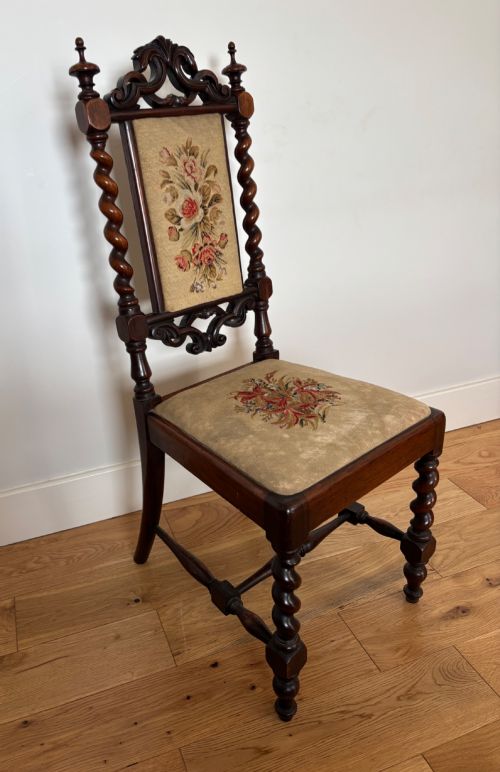
When you search for a rosewood tapestry chair, you encounter seating fashioned from heavy tropical hardwood paired with textile covers. The evidence shows these pieces span the Regency, William IV, and Victorian eras, alongside specific stylistic revivals like French Rococo and Victorian Gothic.
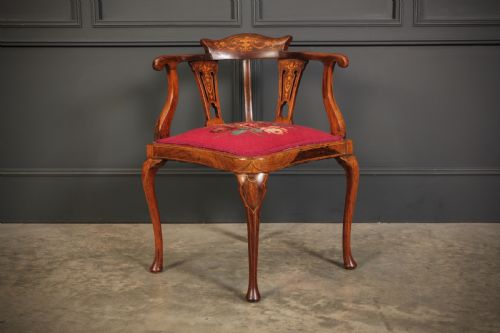
Side chairs, dining chairs, and armchairs dominate the selection, accompanied by piano stools and corner chairs. Most examples date from the nineteenth century, reflecting the popularity of dark timber frames paired with decorative woolwork seats.
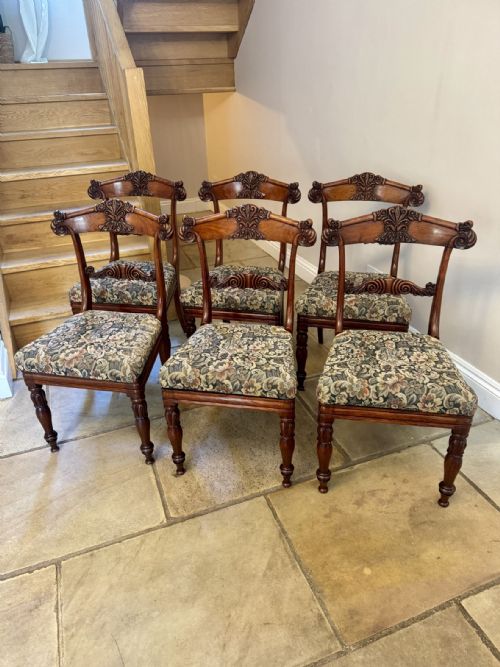
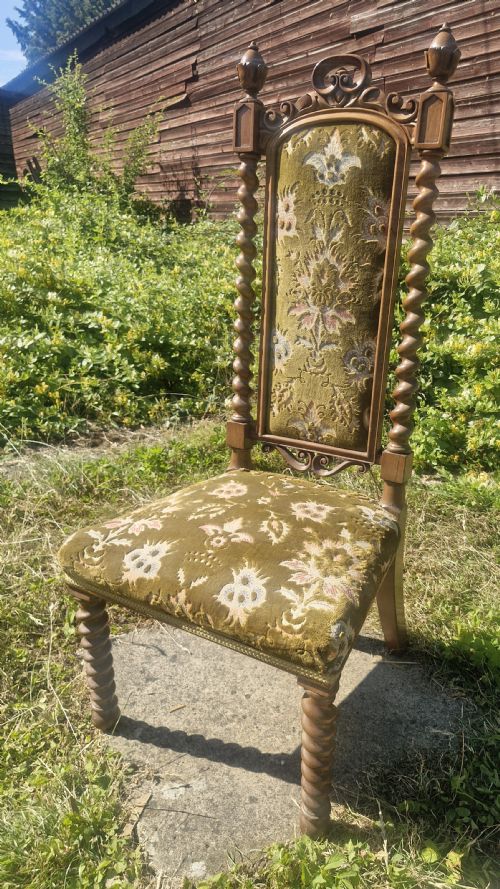
Buyers frequently find sets of dining chairs or single accent pieces, including high back chairs and prie-dieu designs. The combination of dense rosewood and original needlepoint or tapestry upholstery defines this category across all recorded periods.
Construction and materials
Frames rely on solid rosewood, selected for its dark grain and dense weight, sometimes enhanced with marquetry inlay or French carved detailing. Artisans shaped this hardwood into curved chair backs, cabriole legs, and revolving mechanisms for adjustable stools.
Upholstery involves tapestry, needlepoint, woolwork, and velvet fabric secured over sprung or padded seats. The textile covers range from floral needlepoint to duck egg blue needlepoint seats and original woolwork on prie-dieu frames.
Recorded listings span the Regency, William IV, Victorian, and Edwardian periods, demonstrating continuous nineteenth-century use of rosewood and tapestry.
Distinguishing quality across the range
The refinement of the timber carving and the complexity of the frame dictate the standing of an individual piece. Elaborate French Rococo Revival carvings or matched sets of dining chairs demonstrate higher workshop input than plain side chairs.
The preservation and artistry of the textile cover influence the overall standard, particularly where original needlepoint or woolwork survives intact. Adjustability mechanisms on piano stools and the structural integrity of high back frames further separate standard examples from finer specimens.
The Rosewood Tapestry Chair Glossary
- Rosewood
- A dense, heavily grained dark timber used extensively for nineteenth-century furniture framing. It provides exceptional weight and a polished finish.
- Tapestry
- A form of textile art used for chair coverings, often executed in wool or silk. Needlepoint and woolwork appear frequently on these seats.
- Prie-dieu chair
- A devotional low-backed chair designed for kneeling and prayer during the Victorian period. These often feature tall upright frames and prominent tapestry covers.
- William IV
- A British design period bridging Regency and Early Victorian styles between eighteen thirty and eighteen thirty-seven. Furniture from this era often displays robust classical proportions.
Rosewood Tapestry Chair: Frequently Asked Questions
How do I date a rosewood tapestry chair?
Dating relies on stylistic markers and construction methods associated with specific nineteenth-century periods. Regency and William IV pieces show heavier classical influence, while Victorian examples often feature Rococo or Gothic Revival curves.
The evolution of upholstery techniques and frame shapes from eighteen thirty to nineteen hundred also helps narrow the manufacturing window.
Were these chairs used in dining rooms?
Dining chairs form a significant portion of the available pieces, often found in matched sets of four or six. These were built for formal dining spaces alongside larger side and hall chairs.
Other variants, such as armchairs and prie-dieu chairs, served entirely different domestic functions in parlours and bedrooms.
What is the difference between needlepoint and tapestry?
Needlepoint is stitched onto an open-weave canvas foundation, creating sturdy pictorial or geometric patterns. Tapestry generally refers to woven textiles, though the terms are often used interchangeably in antique descriptions.
Both finishes appear frequently on nineteenth-century seating to provide durable decorative surfaces.
How should I care for antique rosewood?
Maintain the timber by keeping it away from direct sunlight and sudden temperature shifts. Regular dusting with a soft, dry cloth preserves the polished surface without chemical buildup.
Protect the textile upholstery by vacuuming gently through a mesh guard to prevent dust accumulation in the wool fibres.