






Rosewood Frame Art
Rosewood frame art unites dense timber housings with period watercolours, needleworks, and engravings.
Rosewood Frame Art
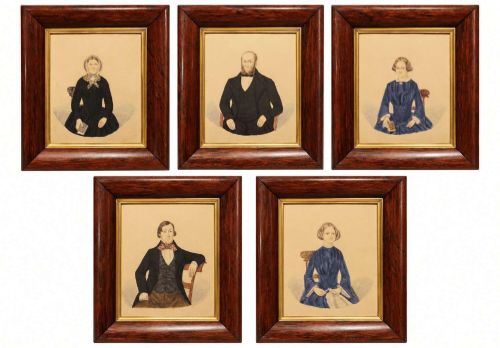
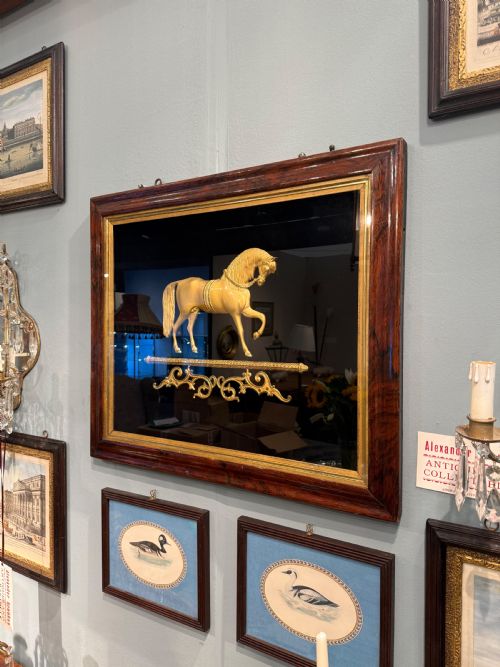
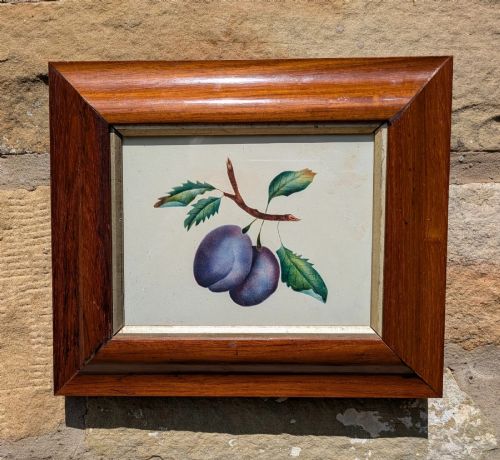
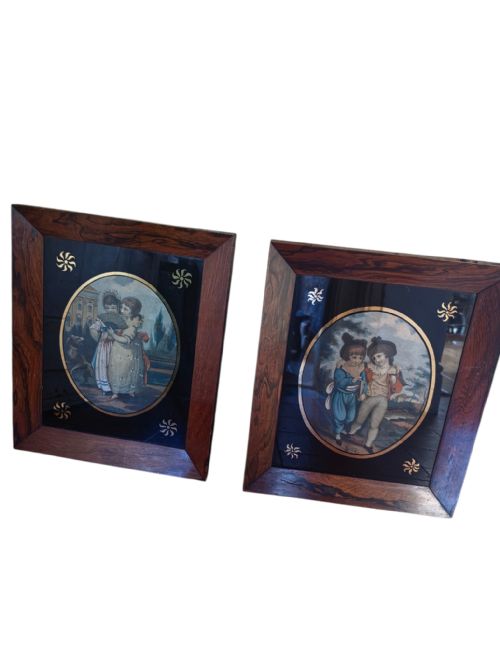
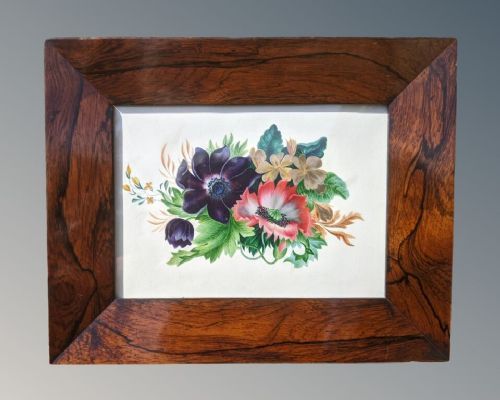
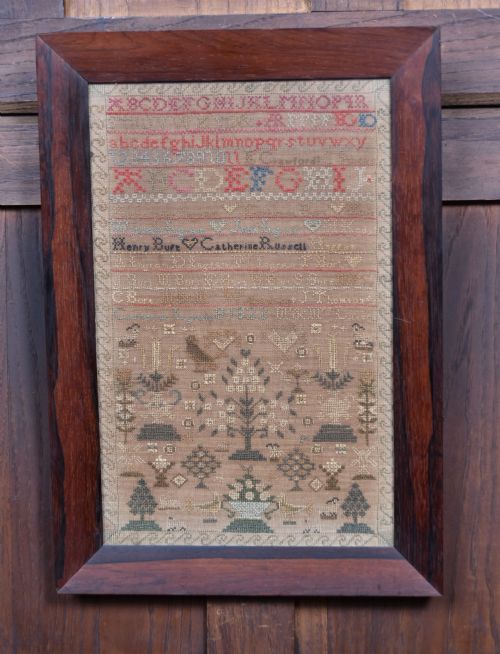
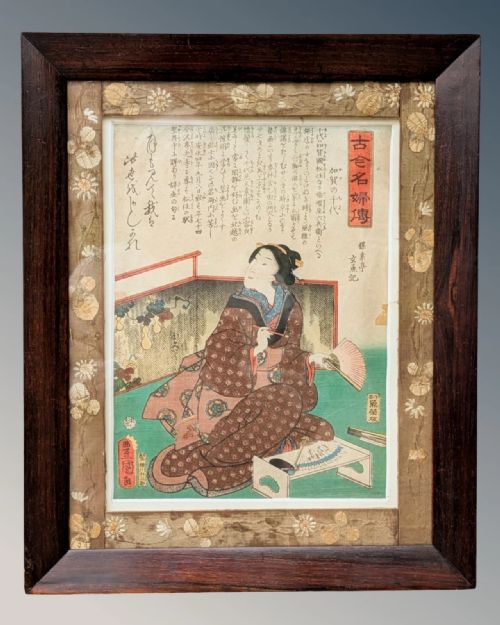
When you search for rosewood frame art, you encounter a specialised selection of nineteenth-century wall works enclosed in dark tropical timber. The examples here span Georgian, Regency, and Victorian periods, containing botanical watercolours, silhouette portraits, and detailed textile samplers.
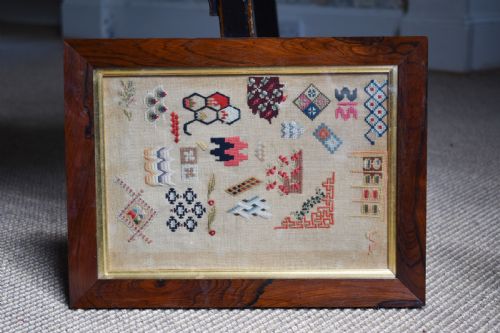
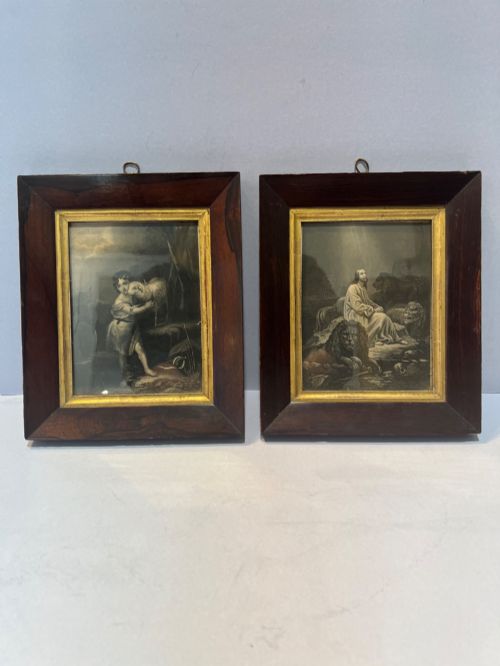
The most frequent form on this page pairs a deep grain wooden perimeter with delicate works on paper or fabric. These pieces include botanical studies, theatrical prints, and wool work panels dating from the eighteen-hundreds.
Materials and construction
Makers utilised dense rosewood to build sturdy housings for fragile paper and textile creations. These timbers often display rich natural grain patterns that frame watercolors, engravings, and silk paintings.
Internal components frequently incorporate glass, paper, linen, and wool work elements. Artisans secured delicate items such as needlework samplers and gouache paintings behind protective glazing within the heavy timber borders.
Rosewood Frame Art Retail Price Guide 2026
Typical asking prices for rosewood frame art among the pieces listed under this phrase on Sellingantiques today, from the lower quarter to the upper quarter. They describe what is for sale here now, not the wider market.
Materials recorded on this page include glass, rosewood, paper, watercolour, wool, silk, wood, and linen.
Assessing quality
Quality rests upon the preservation of the inner artwork alongside the depth of the timber grain. Finer examples maintain crisp details in watercolours and needlework samplers without heavy fading.
Construction standards depend on the joinery of the timber housing and the integration of original glass. Pieces that retain their early backing materials and stable mounting demonstrate superior preservation.
The Rosewood Frame Art Glossary
- Rosewood
- A dense, dark timber valued for its rich grain and durable qualities. It provides a heavy, polished border for nineteenth-century wall works.
- Sampler
- A piece of needlework produced to demonstrate skill in various stitches. These textile works often feature alphabets, motifs, and dates.
- Silhouette
- A portrait rendered as a solid shape, usually in profile and coloured black. These are frequently mounted directly within timber frames.
- Gouache
- An opaque water-based medium used on paper or silk. It offers vibrant colour and dense coverage in period paintings.
Rosewood Frame Art: Frequently Asked Questions
What is rosewood frame art?
These pieces consist of nineteenth-century artworks enclosed in dense, dark timber borders. They include botanical watercolours, silhouette portraits, and wool work panels.
The category highlights how earlier makers housed delicate paper and textile creations. The timber frames provide a sturdy, decorative boundary that complements the imagery inside.
How do I care for these frames?
Keep the timber clean with a dry cloth and avoid harsh chemical polishes. Protect the enclosed artworks from direct sunlight to prevent fading of the paper or silk.
Maintain stable indoor humidity levels to protect both the wooden housing and the internal materials. Sudden temperature shifts can affect the stability of the antique components.
How are different periods identified?
Dating relies on the style of the artwork, such as Regency botanical studies or Victorian needlework samplers. The framing technique and materials also offer clues to the era of production.
Examine the back of the piece for early papers, fixings, or handwritten notes. These elements often clarify the approximate decade in the nineteenth century.
Where were these pieces displayed?
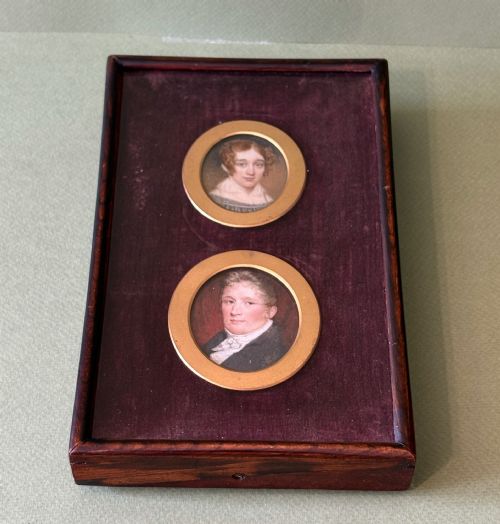
Nineteenth-century households hung these framed works in parlours, studies, and hallways. They served as personal mementoes, decorative accents, or demonstrations of domestic needlework skill.
Smaller items like miniature portraits and silhouettes occupied intimate spaces within the home. Larger framed prints and tapestries anchored the walls of principal rooms.