




Rosewood Accent Seat
A rosewood accent seat brings rich tropical timber and deep grain into a room, offering practical seating with striking nineteenth-century character.

Rosewood Accent Seat
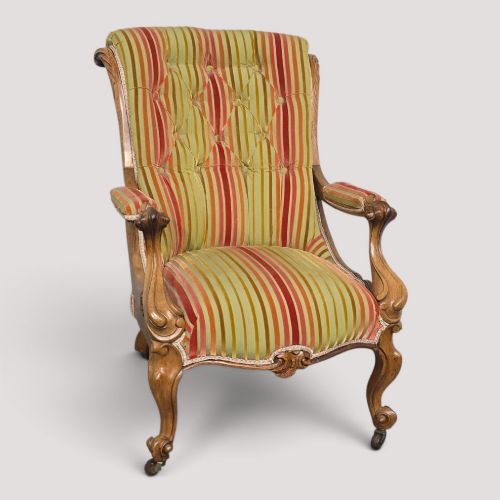
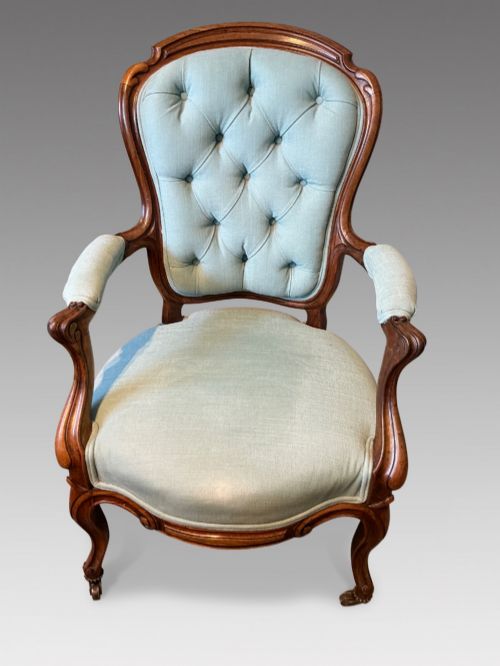
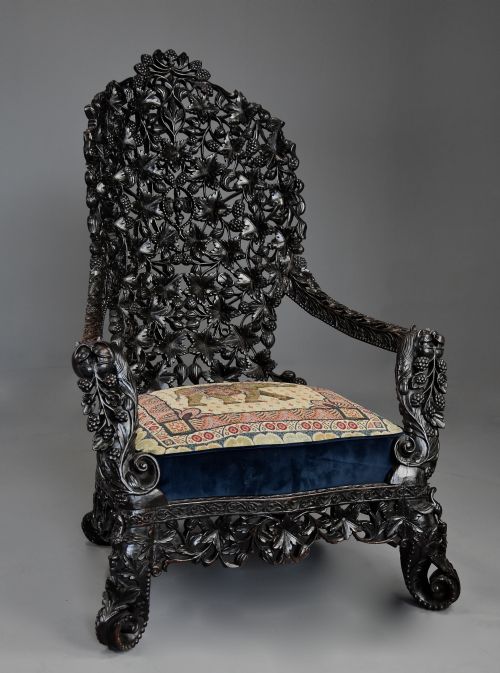
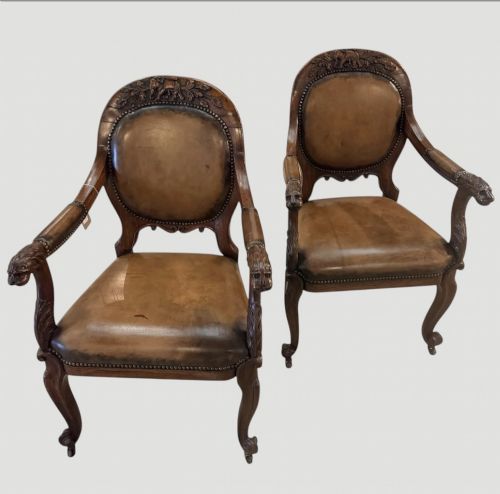
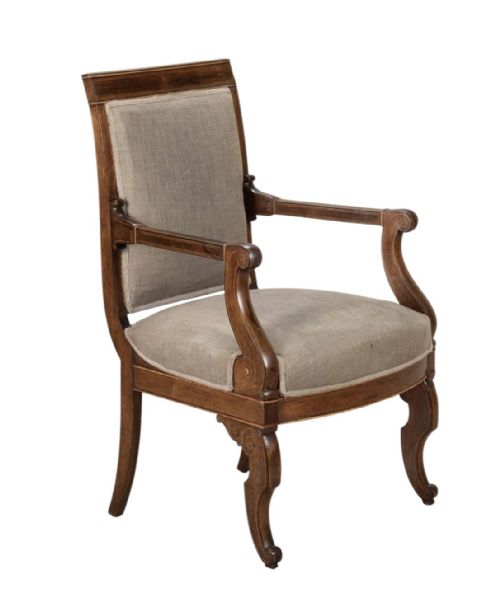
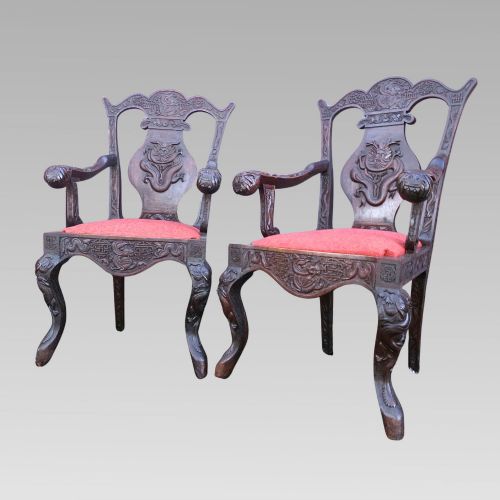
When you search for a rosewood accent seat, you encounter a diverse group of nineteenth-century seating forms that function as occasional, side, or library chairs. These pieces emerge primarily from Victorian, Regency, and William IV periods, alongside regional interpretations like Anglo-Indian and Qing Dynasty designs.
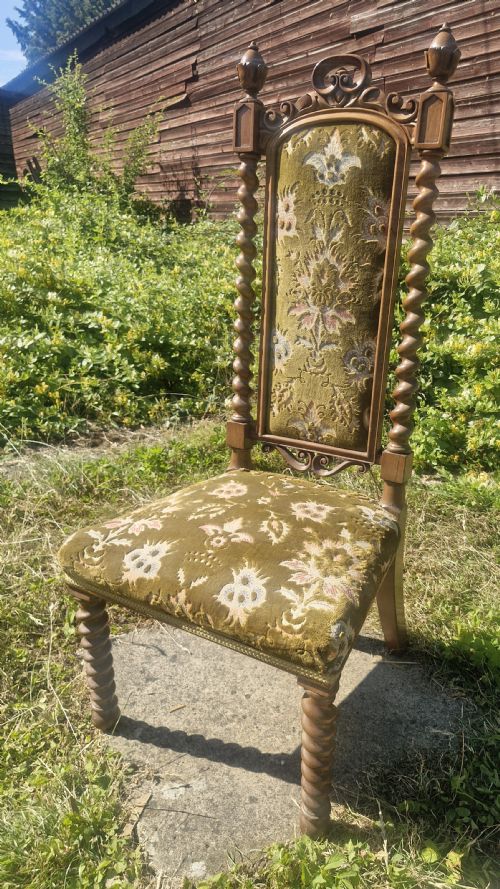
The most common examples on this page are Victorian open armchairs, nursing chairs, and side chairs framed in solid or faux rosewood. Stools and corner bedroom chairs also appear, providing compact options for adding period timber to smaller spaces.
Origins stretch from English workshops to French makers, Chinese dynasties, and Indian carvers, resulting in a wide vocabulary of stylistic expression. Whether formed as a Gothic revival prie-dieu or a French armchair, each piece utilises the dense, dark qualities of the core material to anchor a room's decorative scheme.
Materials and construction methods
Makers utilised dense timbers, primarily rosewood and related hardwoods such as hongmu, alongside parcel gilt surfaces and turned components. Frames often incorporate intricate hand carving, particularly in Victorian Rococo Revival and Qing Dynasty examples, or precise inlay work seen in Edwardian and Regency pieces.
Upholstery materials range from original velvet and damask fabric to buttoned leather and modern replacement textiles. Structural support relies on traditional joinery, sometimes augmented by brass inlay or cane panels set within the dense wooden frames.
Several petite child-sized frames survive alongside grand throne chairs, proving that Victorian toddlers possessed formidable tastes in fine tropical timber.
Assessing craftsmanship and condition
Quality rests in the crispness of the hand-carved detail and the selection of the rosewood timber itself, where deep figuring and rich natural oil elevation distinguish superior frames. Finer examples display rigorous joinery that remains tight after centuries of use, whereas simpler versions rely on more utilitarian turning and lesser finishing.
The integrity of the original frame structure and the quality of secondary woods dictate longevity. Pieces retaining their early upholstery webbing or specialist inlay work command attention for their fidelity to period workshop practices.
The Rosewood Accent Seat Glossary
- Rosewood
- A dense, heavily figured tropical timber known for its dark reddish-brown colour and contrasting black grain lines. It takes a high polish and forms the primary structural material for these seats.
- Prie Dieu
- A low devotional chair featuring a high, narrow back designed for kneeling and prayer during the Victorian period. These pieces frequently double as low nursing chairs.
- Hongmu
- A category of dense Chinese hardwood often utilised in Qing Dynasty throne chairs and seating. The timber shares similar heavy, dark characteristics with western rosewood.
- Parcel Gilt
- A decorative technique where specific carved details or highlights are partially gilded with gold leaf over the dark wood base. This treatment accentuates classical motifs on Regency frames.
Rosewood Accent Seat: Frequently Asked Questions
How do I clean a rosewood frame?
Dust the timber regularly with a soft, dry cloth to prevent grit accumulation on the polished surface. Avoid modern silicone sprays that can penetrate the grain and damage nineteenth-century finishes.
Apply a microcrystalline wax sparingly once or twice a year if the timber appears dry, buffing it gently with a clean cloth. Keep the seat away from direct heat sources and strong sunlight to prevent the rosewood from splitting or fading over time.
What is an occasional chair?
An occasional chair is a movable, decorative seat designed to be brought into use only on occasion rather than serving as primary seating. These pieces often feature lighter frames, such as Edwardian inlaid rosewood or corner chair designs.
Their compact scale allows them to sit quietly in a bedroom or hallway until needed for extra company. The decorative nature of the wood grain ensures they look intentional even when empty against a wall.
Can I use these daily?
Nineteenth-century seating handles regular daily use well provided the internal joinery and frame remain sound. Most examples were built to endure heavy domestic service by skilled cabinetmakers.
Check that the legs do not wobble and that the upholstery webbing provides adequate support before sitting. Lighter occasional forms require more care than heavy library armchairs.
How do I identify a Victorian chair?
Victorian chairs typically display heavier proportions, darker rosewood tones, and deep relief carvings inspired by earlier historical revivals. Look for characteristics like balloon backs, cabriole legs, and buttoned upholstery fabrics.
Makers of this era frequently combined turned structural supports with rich fabric coverings like velvet and damask. The absence of maker's marks is common, relying instead on stylistic cues from the mid to late nineteenth century.