


Rose Pink Wool Carpet
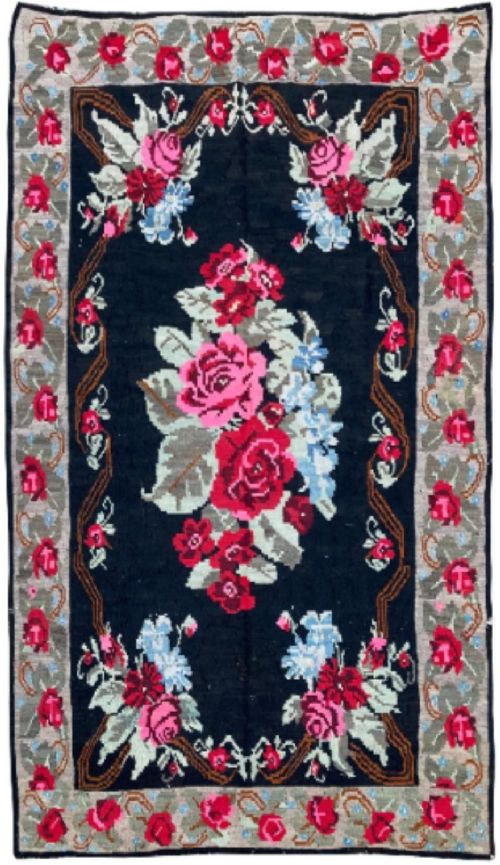
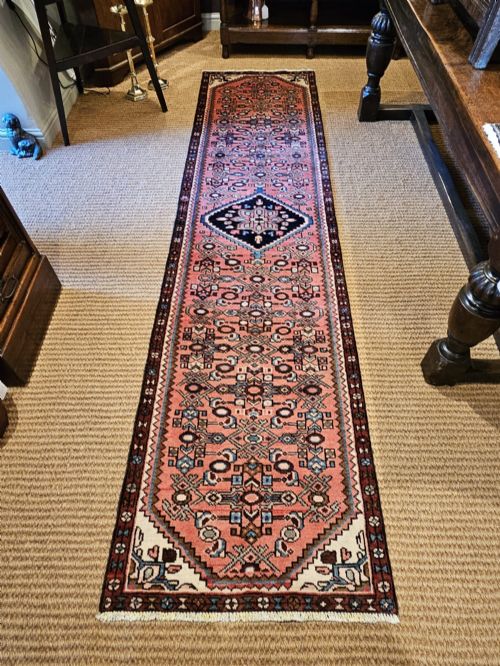
These rose pink wool carpet examples bring warmth and rich tradition into a room, offering distinct regional designs shaped by centuries of weaving heritage.
Rose Pink Wool Carpet
A rose pink wool carpet brings together centuries of regional weaving traditions and distinct floral or geometric patterns. When searching for a rose pink wool carpet, buyers encounter pieces originating from Persian, Ottoman, Caucasian, and European workshops spanning the late nineteenth century into the early twentieth century.
The selection on this page demonstrates various formats, ranging from long runner rugs to large area carpets and flatweave kilims. Pieces such as the Turkish Oushak and the Persian Kashan illustrate how specific regional aesthetics utilise this particular pink hue.
The dating of these floor coverings ranges across the nineteenth century, 1870, 1890, 1900, 1910, 1920, and 1930. Buyers are most likely to meet vintage and antique specimens that show the natural evolution of regional dyeing and knotting techniques over these decades.
How They Were Made
These floor coverings rely on natural animal and plant fibres, combining wool for the pile or flatweave surface with cotton often utilised for the foundation warps and wefts. The combination of wool pile on sturdy cotton foundations provides the durability expected from historical carpet weaving.
Weavers employed traditional hand-knotting and flatweaving techniques across diverse regions including Persia, Turkey, the Caucasus, and Europe. This manual construction method allowed workshops to produce both dense pile carpets and flat-surfaced kilims with intricate pictorial and geometric designs.
A wandering willow tree hides quietly among the geometric motifs of an early twentieth-century Oushak.
What Varies in Quality
Quality in these textiles depends heavily on the precision of the knot density and the finesse of the design execution. Tighter knots and carefully controlled hand-spinning of the wool yield a more resilient surface that withstands the passage of time.
The nuance and depth of the dye work also separate standard pieces from finer examples. Subtle tonal shifts within the pink ground and the harmonious balance of secondary colours demonstrate the skill of the original workshop.
The Rose Pink Wool Carpet Glossary
- Kilim
- A flatweave carpet or rug made without a pile, traditionally produced across the Balkans, Caucasus, and the Middle East. These pieces rely on interlocking weft threads to create sharp geometric patterns.
- Pile
- The upright yarn loops or cut ends that form the soft surface of a carpet. Density and height of this wool layer dictate the overall texture and durability.
- Runner
- A long, narrow carpet format designed specifically for corridors, hallways, or staircases. These pieces balance length with restricted width.
- Warp
- The stationary vertical threads stretched across a loom before weaving begins. Foundation cotton warps provide structural integrity to many antique carpets.
- Weft
- The horizontal threads passed back and forth through the warp to bind the design. Tight beating of these threads secures the knots in place.
Rose Pink Wool Carpet: Frequently Asked Questions
How do I clean an antique rug?
Historic wool textiles require gentle, specialist care rather than aggressive domestic washing. Professional dry cleaning or hand washing by a textile conservator prevents fibre damage and colour bleeding.
Regular light vacuuming without a rotating power brush helps remove surface dust. Keeping the textile out of direct sunlight preserves the natural wool fibres and the pink ground.
Where were these carpets made?
Production spans several notable weaving regions including Persia, Turkey, the Caucasus, and parts of Europe. Workshops in towns such as Oushak, Kashan, and Hamadan developed distinct local motifs.
European centres like Aubusson also contributed distinct square formats and neoclassical floral designs. Each region utilised specific palettes and knotting structures unique to its local tradition.
How do I date an older rug?
Dating relies on analysing the specific design motifs, structural materials, and regional dyeing techniques. Changes in chemical and natural dyes across the nineteenth and twentieth centuries offer reliable chronological markers.
Comparing border styles and structural knot counts against documented examples helps narrow down the decade of production. Expert assessment of wear patterns also assists in confirming historical age.