



Rose Gold Wristlet
These rose gold wristlet pieces bring warm, historic metalwork to the wrist, offering lasting character and distinct period charm.
Rose Gold Wristlet
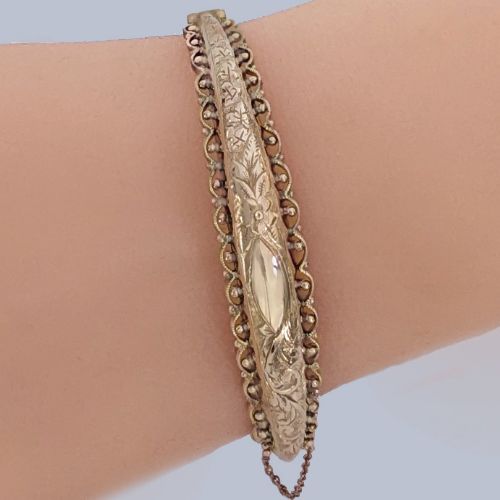
When you search for a rose gold wristlet, you encounter historic bracelets and bangles spanning the Victorian, Edwardian, and Art Deco eras, executed primarily in nine-carat and fifteen-carat rose gold.
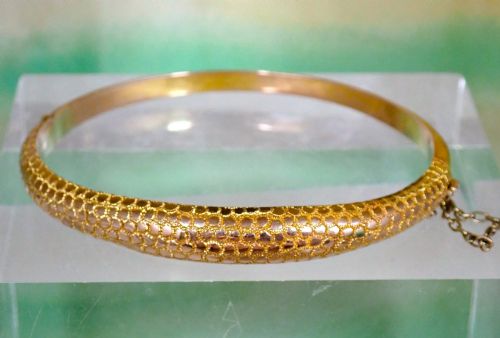
You are most likely to meet classic Edwardian and Victorian forms that showcase the characteristic rosy hue of antique gold, often enhanced by sentimental motifs such as lovers' knots and snakes.
How they were made
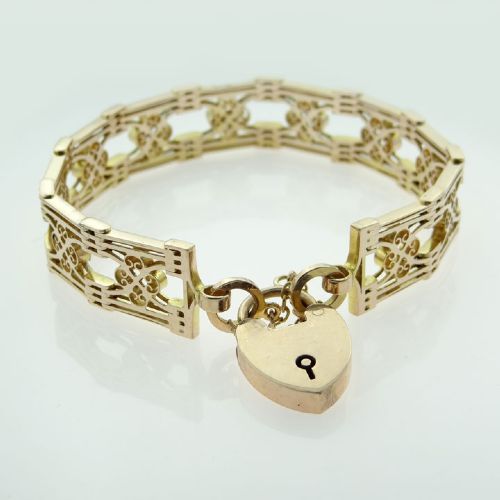
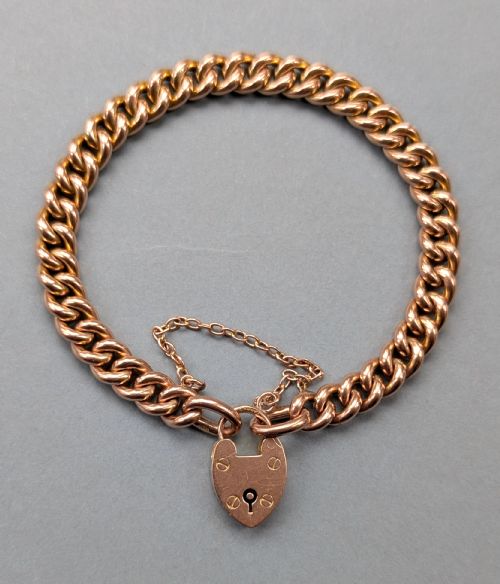
The construction of these items relies on traditional goldsmithing techniques, shaping rose gold into robust curb chains, flexible gate links, and solid bangles designed for daily wear.
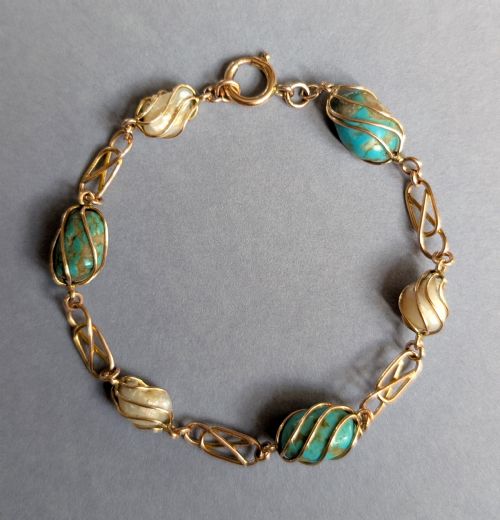
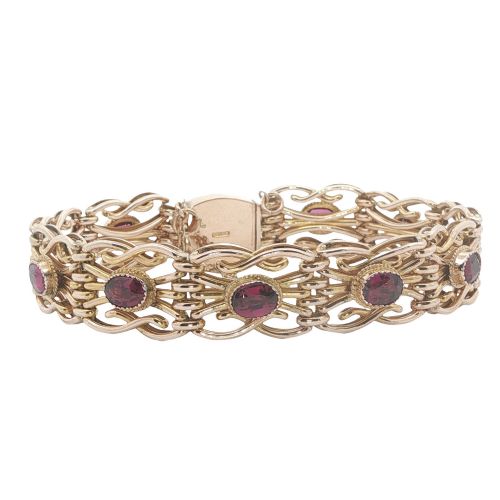
Gemstones including almandine garnets, sapphires, diamonds, and seed pearls are securely set into the gold mountings, often accented with hand-placed turquoise and lustrous pearls.
Many examples incorporate functional components such as secure padlocks and clasps, combining mechanical precision with decorative metalwork.
Rose Gold Wristlet Retail Price Guide 2026
Typical asking prices for rose gold wristlet among the pieces listed under this phrase on Sellingantiques today, from the lower quarter to the upper quarter. They describe what is for sale here now, not the wider market.
Snakes coil around wrists in historic gold, bringing Victorian symbolism straight to modern collections.
What varies in quality
The standard of a piece is defined by the weight and purity of the gold, with fifteen-carat items offering a richer alloy content compared to their nine-carat counterparts.
Artisanal skill shapes the distinction, visible in the complexity of lovers' knot motifs, the symmetry of fancy gate links, and the precision of stone setting.
The integration of multiple materials, such as combining diamonds with sapphires or seed pearls, elevates the sophistication of the design.
The Rose Gold Wristlet Glossary
- Rose gold
- A gold alloy containing copper, which imparts a warm, reddish tint to the metal. This distinctive colour became particularly fashionable during the Victorian and Edwardian periods.
- Gate bracelet
- A style of bracelet formed from parallel rows of linked metal bars connected by vertical links, resembling a traditional garden gate. It is a sturdy and flexible form common in antique jewellery.
- Curb chain
- A type of jewellery chain consisting of identical interlinked links that lie flat when placed on a surface. It forms a strong foundation for padlocks and charms.
- Padlock clasp
- A functional fastener shaped like a miniature padlock, frequently used as a secure clasp on antique bracelets. They often bear hallmarks and contribute to the decorative appeal of the piece.
Rose Gold Wristlet: Frequently Asked Questions
What periods do these rose gold wristlet pieces span?
The pieces span the nineteenth and early twentieth centuries, encompassing Victorian, Edwardian, and 1920s designs. Each era brings distinct stylistic touches to the metal and gemstone settings.
You will find that Victorian items often feature substantial weight and sentimental motifs, while Edwardian examples favour lighter, refined link work and gemstone arrangements.
How do I care for antique rose gold jewellery?
Care involves gentle cleaning with a soft cloth and avoiding harsh chemicals that might harm softer gems like pearls and turquoise. Storing each piece separately prevents scratching.
Because these items contain historic settings, professional inspection of the claws and links helps maintain their structural integrity over time.
What is the difference between nine-carat and fifteen-carat rose gold?
Fifteen-carat gold contains a higher proportion of pure gold than nine-carat gold, resulting in a richer, deeper colour and greater intrinsic material value. Both purities were widely used in historic jewellery.
Pieces with higher carat weight often feel heavier on the wrist and display a warmer tone due to the increased gold content.
How can I tell a Victorian bracelet from an Edwardian one?
Victorian pieces tend to be heavier and more substantial, frequently incorporating symbolic elements like snakes and lovers' knots in yellow and rose gold. They reflect the romantic and mourning aesthetics of the nineteenth century.
Edwardian pieces generally exhibit a lighter, airier aesthetic with delicate filigree, curb chains, and bright gemstone accents suited to the fashions of the early twentieth century.