


Rose Gold Watch
A rose gold watch carries a distinct warm hue that sets it apart from traditional yellow gold or steel timepieces.
Rose Gold Watch
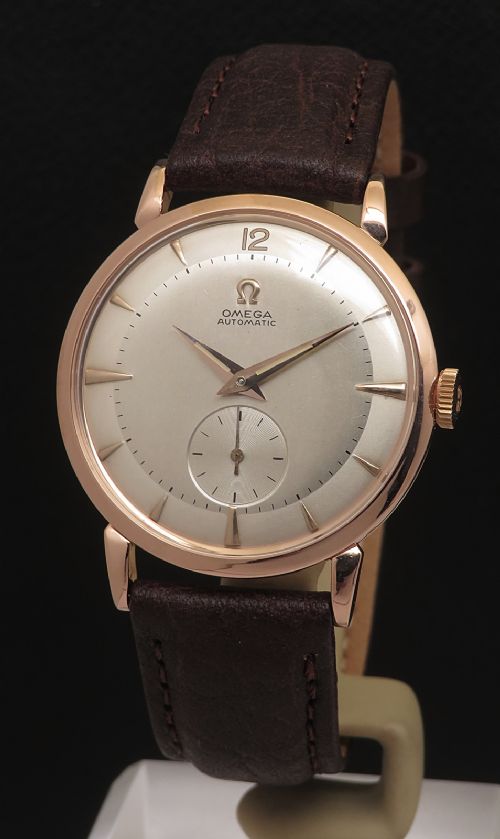
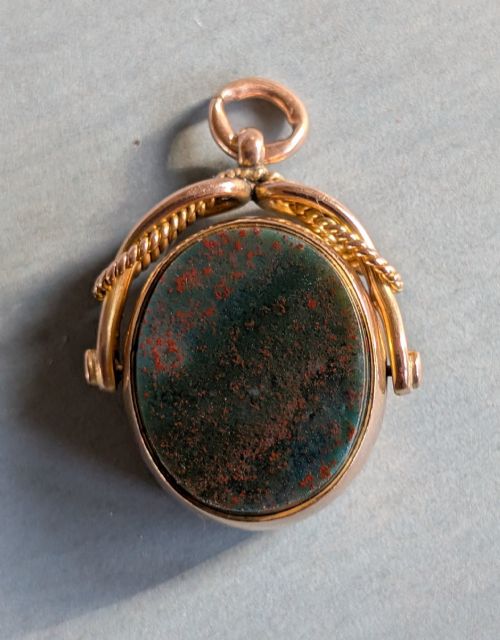
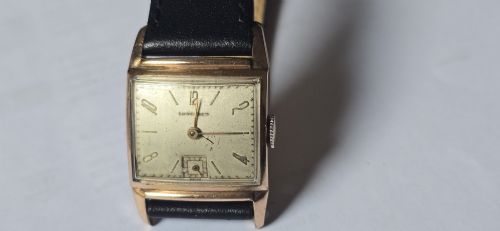
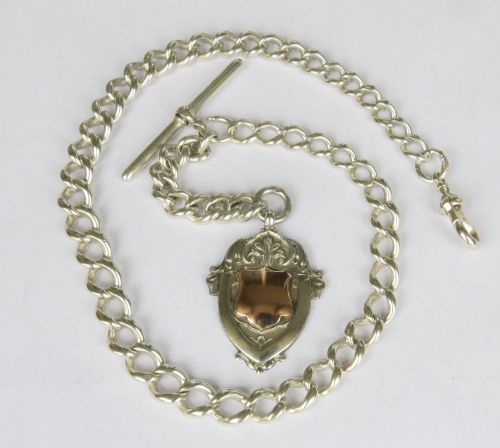
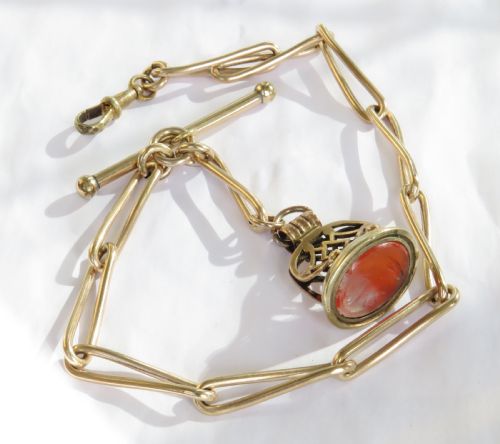
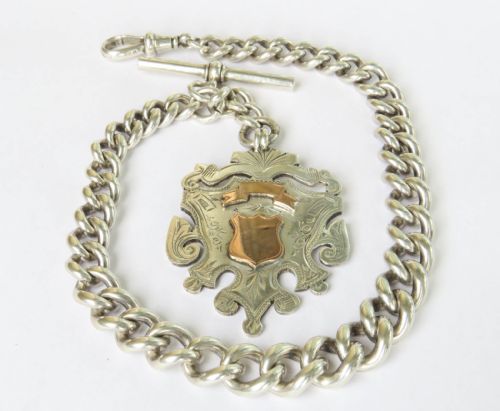
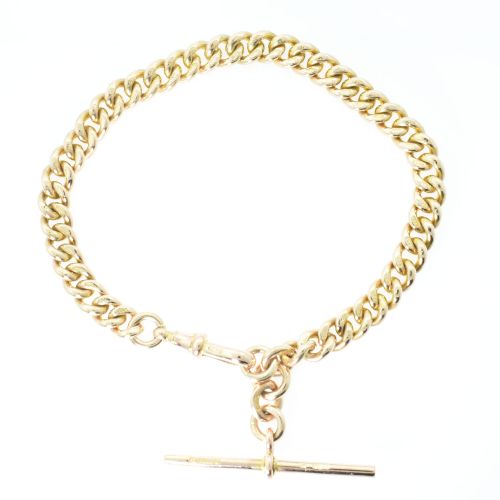
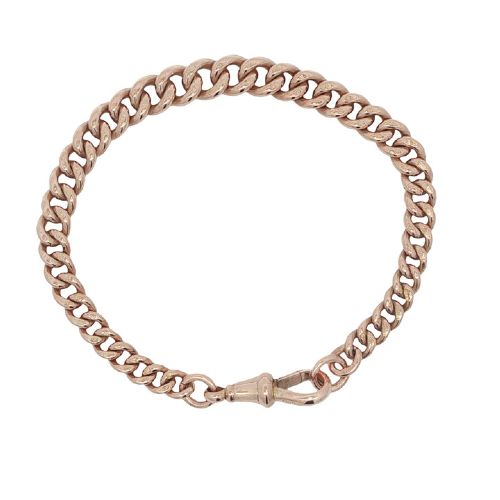
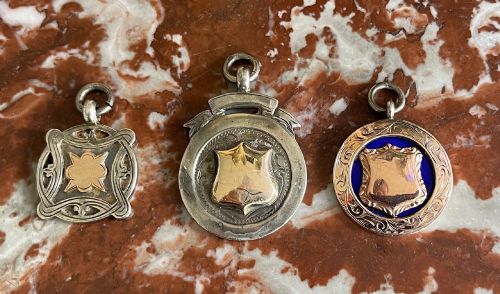
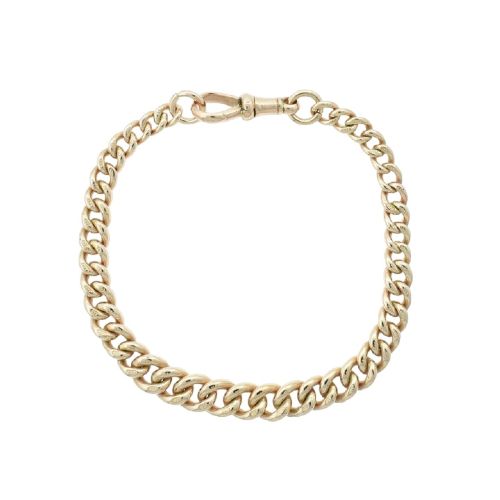
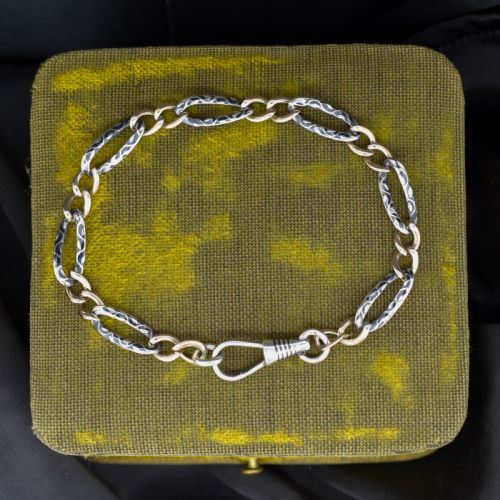
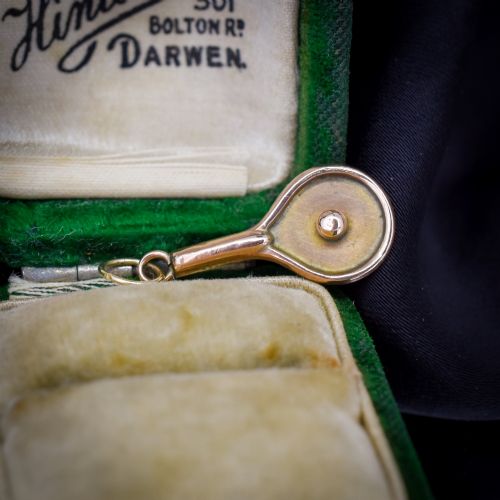
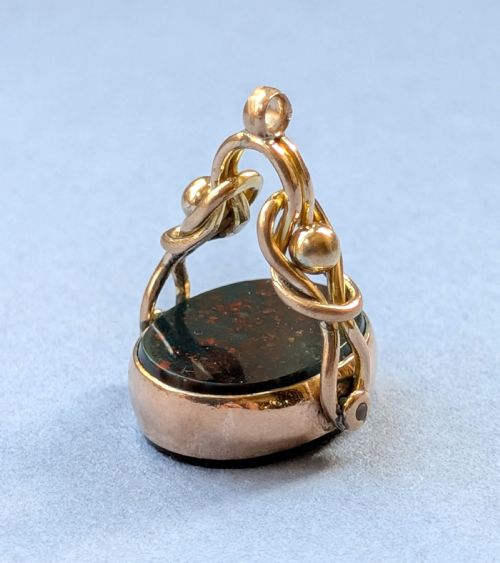
A rose gold watch encompasses wristwatches, pocket watches, and the associated chains that connected them to waistcoats, spanning periods from the Georgian and Victorian eras through the Edwardian years and into the mid-twentieth century. The selection ranges from robust solid gold chronographs and manual wind dress pieces by makers such as Rolex, Omega, Longines, and Jaeger-LeCoultre to intricate 9ct or 15ct rose gold Albert chains fitted with T-bars and swivel dog clips.
Buyers encounter wristwatches featuring mechanical movements alongside pocket-watch conversions and pocket chains repurposed as choker necklaces. The material expression varies from solid 9ct and 18ct gold to rolled gold and rose gold filled variants, reflecting the manufacturing standards of their respective decades.
How They Were Made
The construction of these pieces relies on precious metal alloys, predominantly 9ct, 14ct, 15ct, and 18ct rose gold, where copper is alloyed with gold to achieve the characteristic pinkish tint. Rolled gold and gold-filled items utilise a thin layer of gold mechanically bonded to a base metal core for durability.
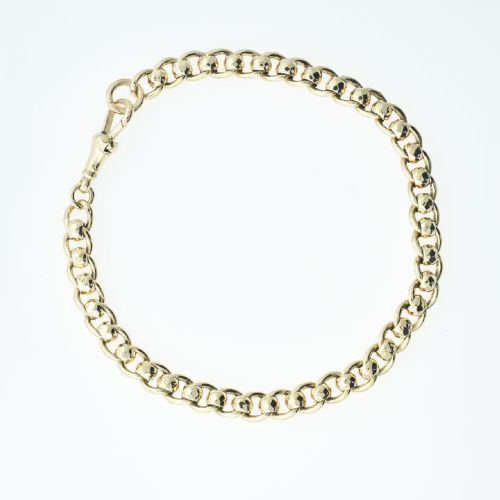
Movements within the watches rely on manual wind or automatic mechanical calibres, often featuring subsidiary seconds dials or chronograph complications. Chains and bracelets utilise linked constructions such as curb, trombone, fetter and knot, and fancy stars-and-bars patterns, assembled by hand with swivel dog clips and T-bars.
Rose Gold Watch Retail Price Guide 2026
Typical asking prices for rose gold watch among the pieces listed under this phrase on Sellingantiques today, from the lower quarter to the upper quarter. They describe what is for sale here now, not the wider market.
Listings feature 9ct and 18ct rose gold alongside rolled gold across Victorian, Edwardian, Art Deco, and mid-century periods.
What Varies in Quality
The distinction between tiers rests upon the composition of the metal and the integrity of the movement. Solid gold cases and heavy, hallmarked watch chains command greater regard than rolled gold or gold-filled alternatives due to their intrinsic material weight and longevity.
Mechanical preservation and dial condition dictate the standing of a timepiece. Original dials, unpolished cases, and fully serviced mechanical movements elevate an example above those altered by replacement parts or excessive refinishing.
Rolex·Jaeger LeCoultre·Tudor·Bulova·Vacheron Constantin·Longines·Ulysse Nardin·Omega·Waltham·Elgin·IWC
The Rose Gold Watch Glossary
- Albert chain
- A heavy watch chain designed to secure a pocket watch in a waistcoat pocket, typically featuring a T-bar at one end and a swivel dog clip at the other.
- Rolled gold
- A manufacturing method where a sheet of gold is soldered to a base metal core, providing a thicker layer of gold than standard plating.
- T-bar
- A transverse bar attached to the centre of a watch chain used to anchor the chain through a buttonhole.
- Dog clip
- A spring-loaded swivel clasp used on watch chains to attach fobs, pendants, or pocket watches securely.
- Manual wind
- A mechanical watch movement that requires the wearer to manually turn the crown to tension the mainspring.
Rose Gold Watch: Frequently Asked Questions
How do I wear a pocket watch chain today?
Many buyers repurpose antique Albert chains as necklaces or choker length chains, securing the dog clip directly to the T-bar or to intermediate links.
Alternatively, the chain can be worn across a garment in its traditional configuration if loops and buttonholes are available.
What is the difference between solid and rolled rose gold?
Solid rose gold items consist uniformly of gold alloyed with copper throughout the entire structure, maintaining their metal composition even with heavy wear.
Rolled gold pieces feature a thin sheet of gold bonded to a base metal core, which can wear through to the underlying metal over extended periods.
How do I wind a vintage mechanical watch?
Turn the crown clockwise between your thumb and forefinger until you feel gentle resistance, indicating the mainspring is fully tensioned.
Avoid overwinding, as this can place undue stress on the internal mechanical components of the movement.
How can I identify the period of a watch chain?
Examine the links and fasteners for hallmarks, sponsor marks, and specific link styles such as trombone or curb patterns associated with Victorian and Edwardian manufacturing.
Georgian pieces often display hand-engraved details and split rings, while later pieces reflect standardised factory production.