



Rose Gold Gemstone Jewellery
Rose gold gemstone jewellery spans centuries of intricate craftsmanship, offering warm metallic tones paired with vibrant diamonds, garnets, and sapphires.
Rose Gold Gemstone Jewellery
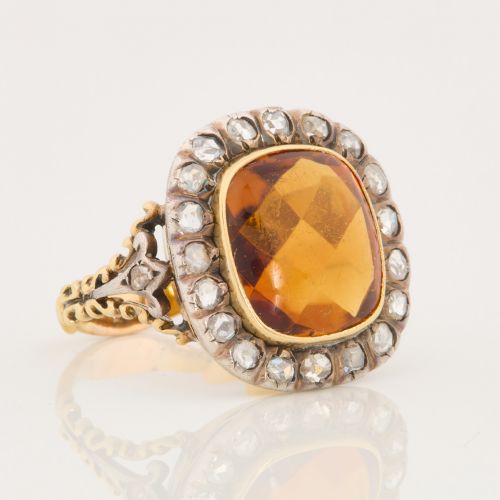
Rose gold gemstone jewellery comprises rings, bracelets, earrings, brooches, pendants, and bangles designed across multiple periods. Pieces originate from the Georgian and Victorian eras, through Edwardian and Art Deco phases, into mid-century modernism.
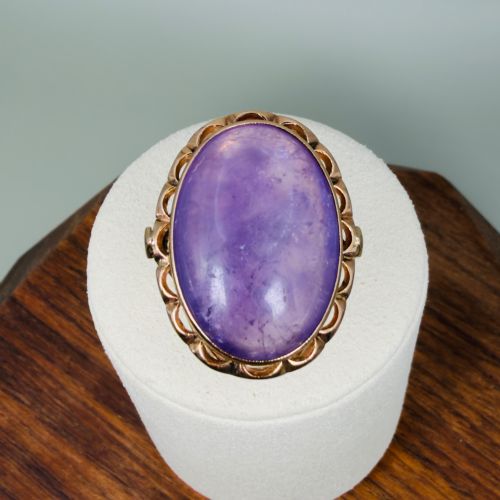
Earlier pieces from the eighteenth and nineteenth centuries sit alongside twentieth-century designs, including 1940s retro items and 1960s modernist works. Each era brings distinct stone cuts, such as rose-cut diamonds and cabochon jades, set into warm gold alloys.
Materials and Construction Techniques
Makers utilised various purities of rose gold, including 9ct, 15ct, 18ct, and lower gold alloys combined with silver in earlier Georgian settings. These metals provide the characteristic warm pink or reddish hue that frames the set stones.
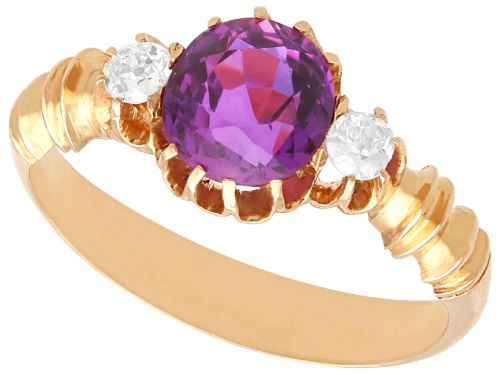
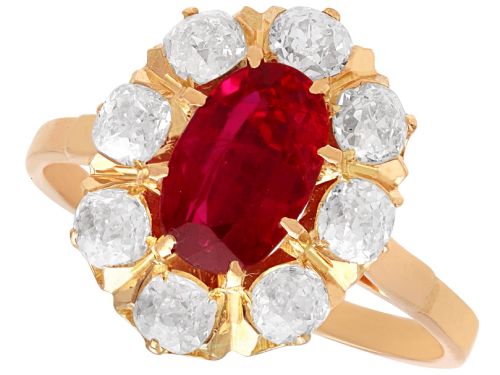
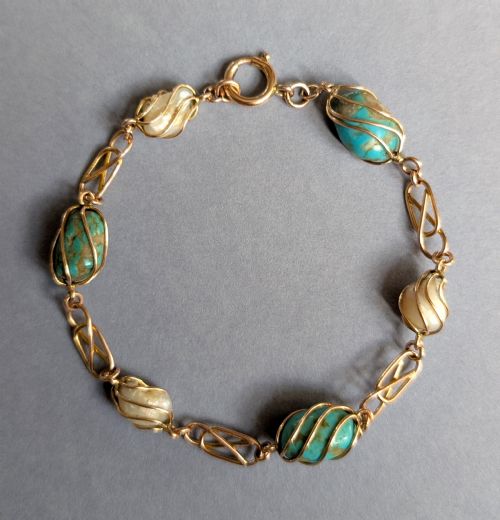
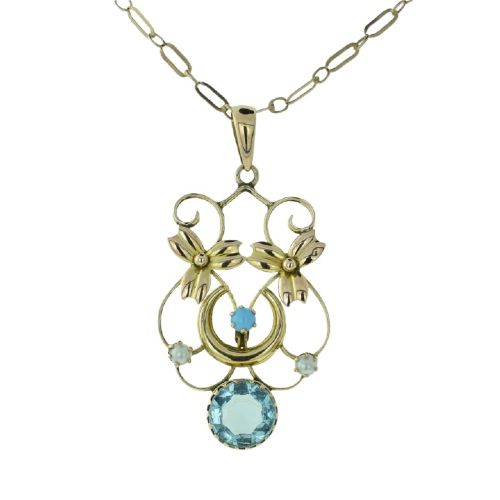
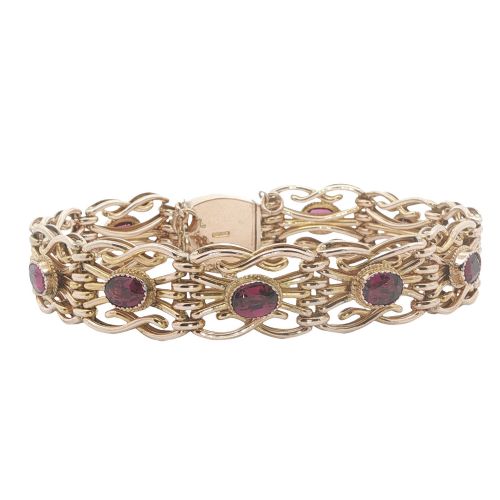
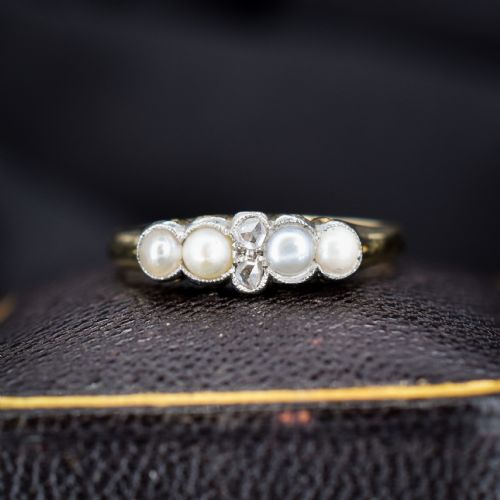
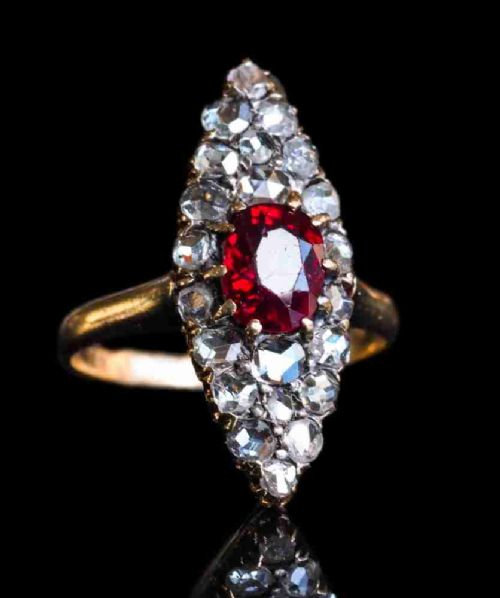
Gems such as almandine garnets, rubies, amethysts, turquoise, and sapphires are secured using claw settings, bezel mounts, or cluster arrangements. Master jewellers also incorporated rose-cut diamonds and seed pearls to enhance central stones in pendants, brooches, and rings.
Rose Gold Gemstone Jewellery Retail Price Guide 2026
Typical asking prices for rose gold gemstone jewellery among the pieces listed under this phrase on Sellingantiques today, from the lower quarter to the upper quarter. They describe what is for sale here now, not the wider market.
Ivy leaves, crescent moons, and lovers knots hide among the garnet clusters and diamond brooches.
Distinctions in Quality and Make
The calibre of rose gold gemstone jewellery depends on the original precision of the gemstone cutting and the integrity of the metalwork. Hand-set cluster arrangements and well-matched natural stones distinguish finer examples from standard production pieces.
Preservation of fragile elements like seed pearls, delicate hinge mechanisms in bangles, and undamaged rose-cut facets dictate the overall standard. Superior items retain their original structural components and stone configurations without modern alterations.
Andrew Grima
The Rose Gold Gemstone Jewellery Glossary
- Rose-cut
- A diamond or gemstone cut with a flat base and a domed crown consisting of triangular facets. This historic style resembles an opening rosebud and produces a soft, translucent lustre rather than modern brilliant sparkle.
- Cabochon
- A gemstone shaped and polished with a smooth, convex surface instead of being faceted. This technique is frequently utilised for opaque or translucent stones like turquoise, jade, moonstone, and star sapphires.
- Almandine garnet
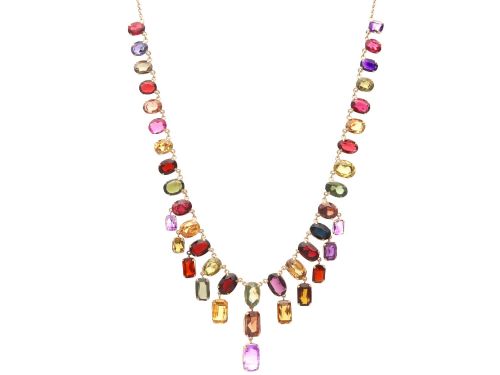
- A dense, deep red variety of garnet commonly found in Victorian and Edwardian cluster jewellery and fringe necklaces. These stones provide the dark, rich crimson tones characteristic of nineteenth-century Bohemian pieces.
- Navette
- A boat-shaped gemstone setting or ring design that tapers to points at both ends. This elongated geometric form maximises finger coverage and was favoured during the Georgian and Victorian periods.
- Harem ring
- A multi-row stacking ring band composed of several interconnected or parallel bands. These pieces often incorporate alternating rows of coloured gemstones and diamonds in warm gold.
Rose Gold Gemstone Jewellery: Frequently Asked Questions
How do I care for antique rose gold gemstone jewellery?
Clean these pieces gently with a soft dry cloth and avoid harsh chemical dips or ultrasonic cleaners, which can damage softer stones like pearls and turquoise.
Store items individually in lined boxes to prevent abrasive contact between harder diamonds and softer gold alloys or gems.
What periods are common in rose gold jewellery?
Victorian and Edwardian pieces form a large portion of available designs, featuring characteristic cluster settings, garnets, and seed pearls. Mid-century and Art Deco examples also appear, offering bolder geometric lines and distinct gemstone combinations.
Earlier Georgian items utilise silver-topped gold settings, while later twentieth-century creations showcase modernist forms and distinct stone cuts.
How can I tell a Victorian rose gold piece from a later one?
Examine the construction methods, gemstone cuts, and hallmark stamps where present. Victorian pieces frequently employ rose-cut diamonds, almandine garnets, and hand-beveled claws.
Twentieth-century items often display different alloy standards, machine-assisted manufacturing marks, or mid-century modernist styling distinct from nineteenth-century aesthetics.
What stones are typically paired with rose gold?
Red and pink stones such as almandine garnets, rubies, and tourmalines complement the warm pink hue of the metal. Diamonds, pearls, turquoise, and sapphires also appear frequently, creating high contrast against the gold shank.