



Rococo Walnut Nightstands
Rococo walnut nightstands bring sweeping serpentine lines and rich timber grain to the bedside, originating from periods spanning the eighteenth century to the early twentieth.
Rococo Walnut Nightstands
Rococo walnut nightstands combine the ornate, curving vocabulary of the Rococo movement with the deep, warm tones of walnut timber. These pieces function as bedside cabinets, lamp tables, or small side cupboards designed to sit beside a bed.
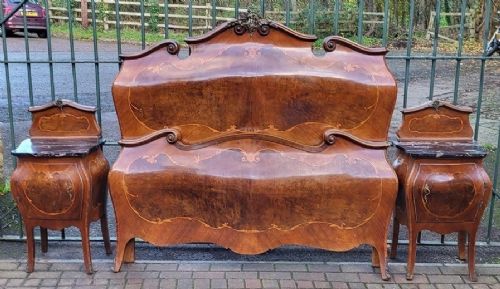
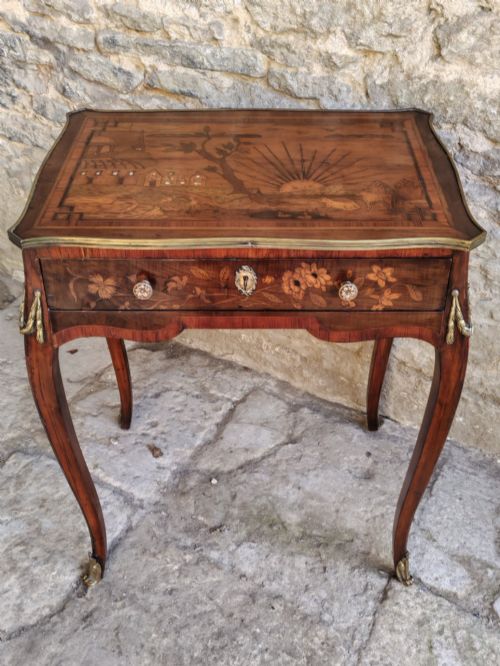
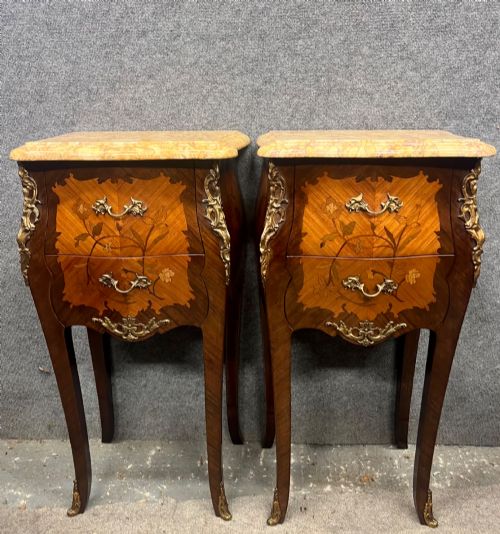
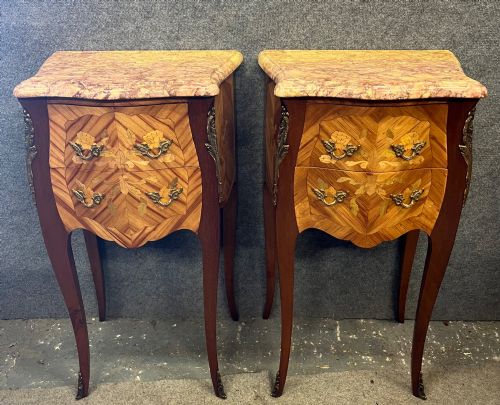
Most examples found in these listings date from the nineteenth and early twentieth centuries, drawing heavily on French Louis XV and Italian stylistic revivals. Buyers encounter matched pairs frequently, often topped with inset marble slabs or detailed marquetry inlay.
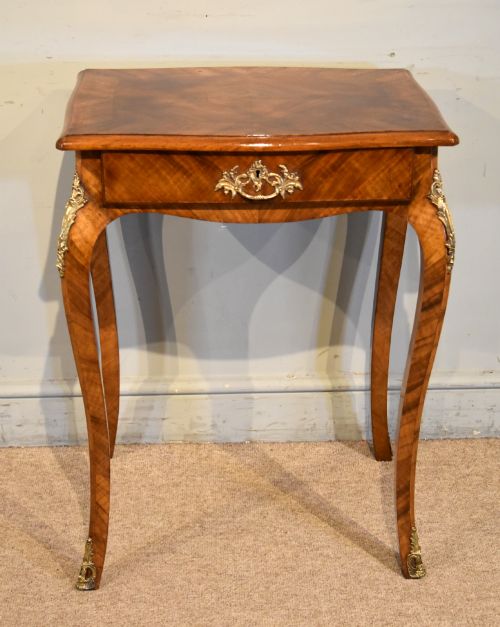
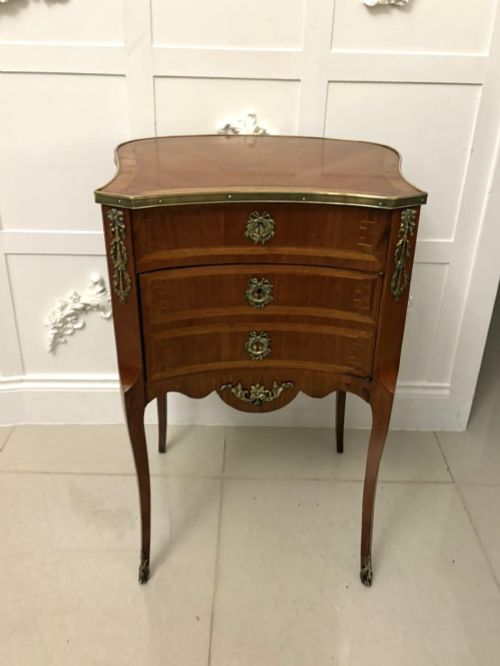
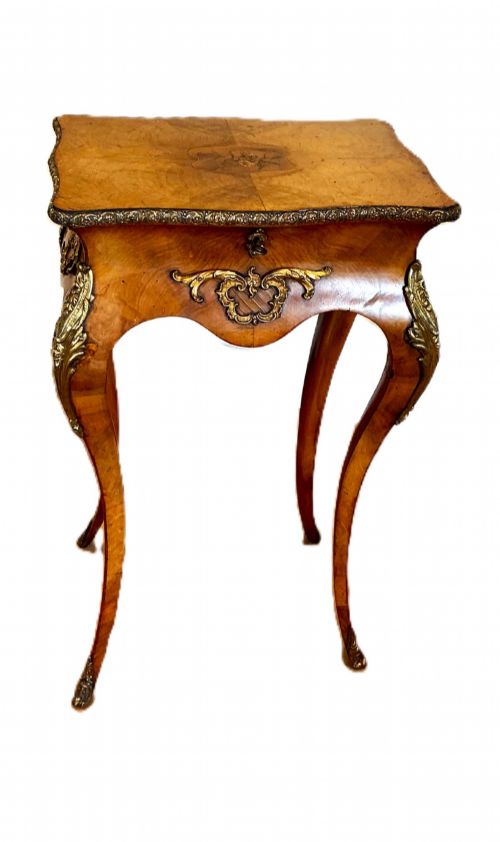
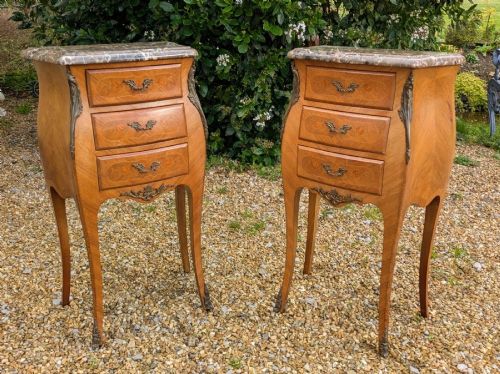
The forms range from straight-legged bedside chests to bombé side cabinets with exaggerated, swelling contours. Walnut serves as the primary ground, frequently enhanced by contrasting veneers, kingwood, or burr walnut figuring.
Determinants of Quality
Quality rests upon the precision of the timber matching and the crispness of the marquetry inlay. Superior pieces display continuous grain patterns across drawer fronts and seamless veneer work without lifting or excessive filling.
The weight and finish of the mountings separate standard production from finer cabinet-making. Solid cast brass and chased ormolu fittings demonstrate deeper relief and sharper detail than stamped or plated alternatives.
Structural integrity within curved and bombé frames dictates longevity. Fine examples maintain tight joints and smoothly operating drawers despite the seasonal movement inherent in multi-layered timber construction.
Rococo Walnut Nightstands Retail Price Guide 2026
Typical asking prices for rococo walnut nightstands among the pieces listed under this phrase on Sellingantiques today, from the lower quarter to the upper quarter. They describe what is for sale here now, not the wider market.
Listings feature walnut, kingwood, burr walnut, and rosewood combined with marble and ormolu across pieces dated from the eighteenth to the twentieth centuries.
The Rococo Walnut Nightstands Glossary
- Bombe
- A swollen or bulging outward curve on the sides and front of a cabinet or chest. This profile requires advanced shaping of the timber carcase.
- Marquetry
- Decorative patterns formed by fitting contrasting veneer pieces onto a structural surface. Craftsmen utilise this technique to depict floral motifs or geometric arrangements.
- Ormolu
- Gilt bronze mounts applied to furniture for decorative accent. The technique involves treating metal with a mercury and gold amalgam.
- Cabriole leg
- A furniture leg that bends outward in a convex curve and tapers inward in a concave curve, ending in a pad or scroll foot. This shape mimics animal limbs.
- Burr walnut
- Wood grain taken from a tree growth or burl, resulting in swirling, erratic patterns. Cabinet-makers prize this timber for high-status decorative surfaces.
Rococo Walnut Nightstands: Frequently Asked Questions
Are these nightstands sold as pairs?
Many listings present these bedside cabinets in matched pairs, reflecting how bedrooms were historically furnished with symmetrical pieces flanking the bed.
Single tables also appear frequently, originating from suites or smaller chambers where only one bedside surface was required.
How do I clean the marble tops?
Marble surfaces require mild, pH-neutral soap and warm water applied with a soft cloth to avoid scratching the polished stone. Acidic substances like vinegar or lemon juice will etch the calcium carbonate in the marble and must be kept away from the top.
Dry the stone thoroughly after washing to prevent water spots from forming on the surface.
What is the difference between Louis XV and Rococo styles?
Louis XV style refers specifically to French furniture produced during the reign of that monarch or later revivals mimicking those exact proportions and ornamentation. Rococo is the broader artistic movement defined by asymmetry, C-scrolls, and natural motifs.
In practical terms, pieces described as Louis XV style usually exhibit the restrained French interpretation of Rococo design.
How do I care for walnut veneer?
Walnut veneer benefits from occasional waxing using a traditional beeswax formulation to nourish the timber and maintain a soft sheen. Avoid placing these pieces in direct sunlight or near heat sources, which can dry out the underlying glue and cause the veneer to lift.
Dust the marquetry regularly with a dry, lint-free cloth to prevent particulate buildup in the recessed grain.