

Rococo Style Glass
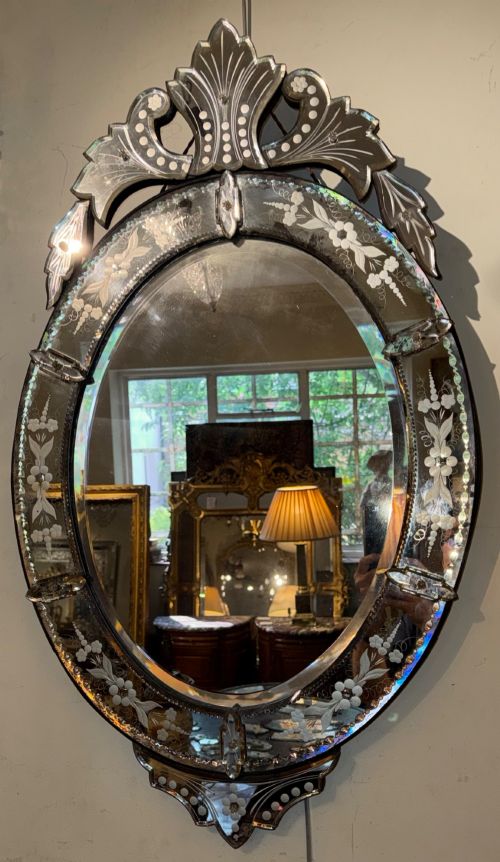
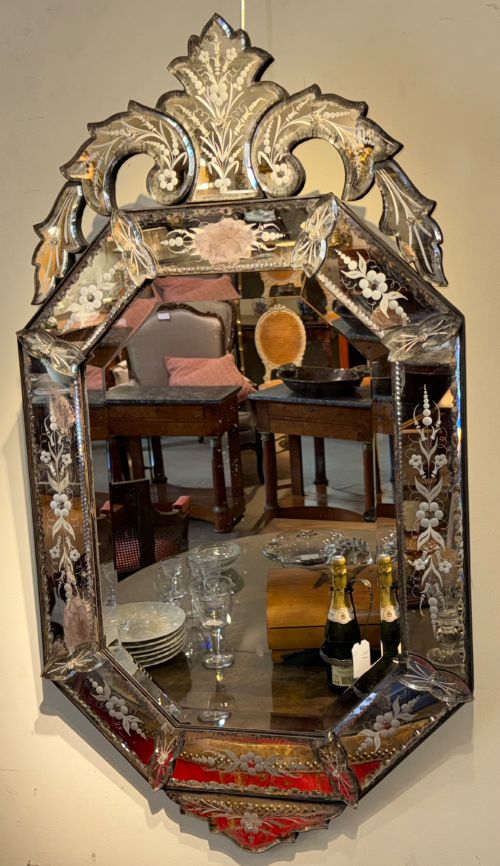
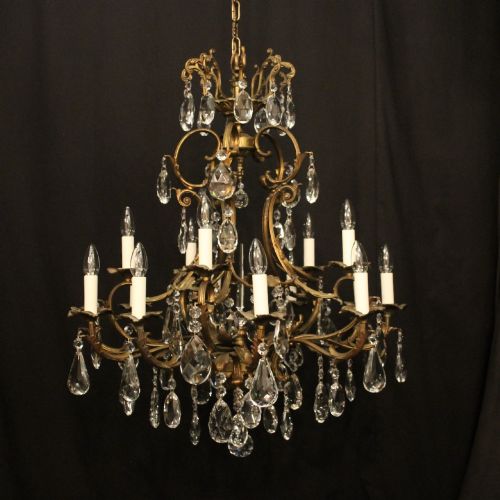
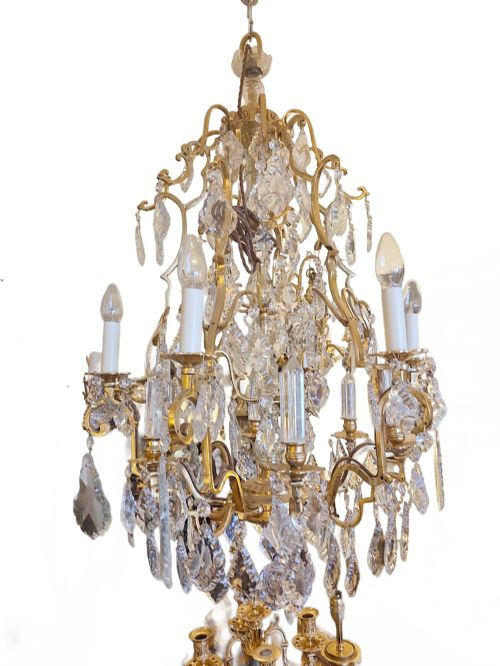
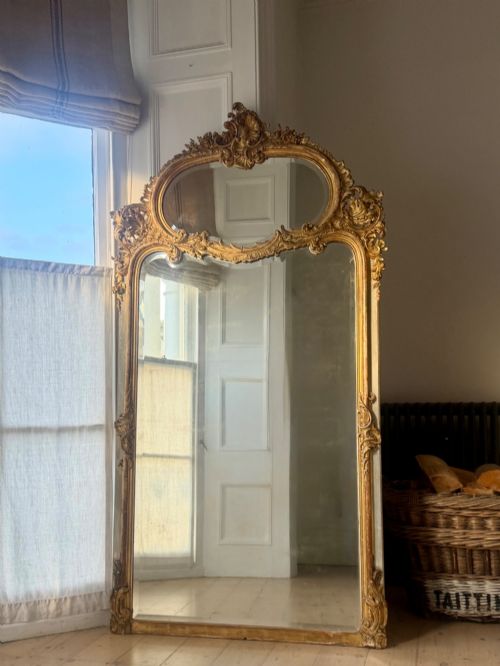
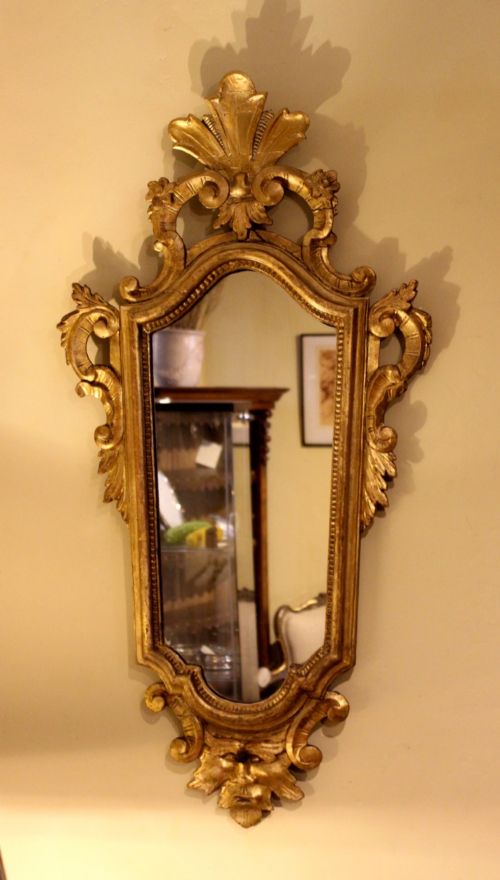
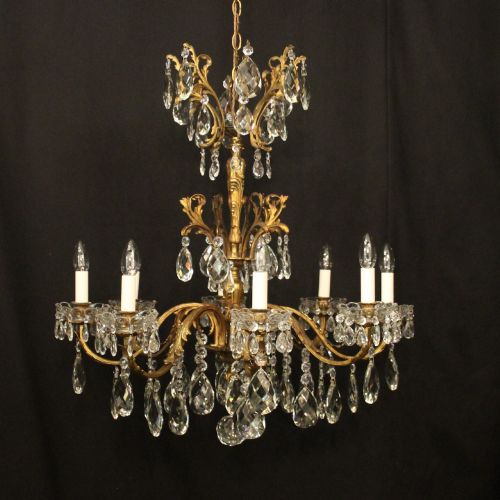
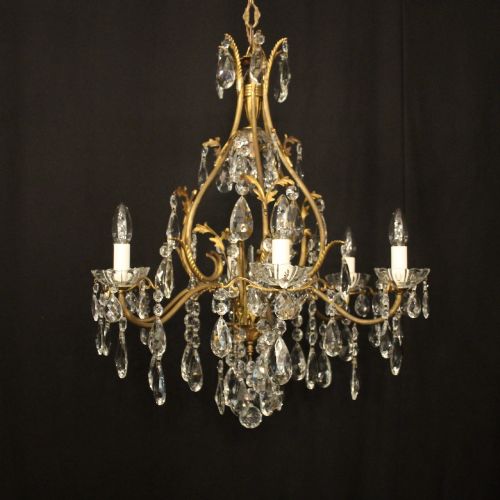
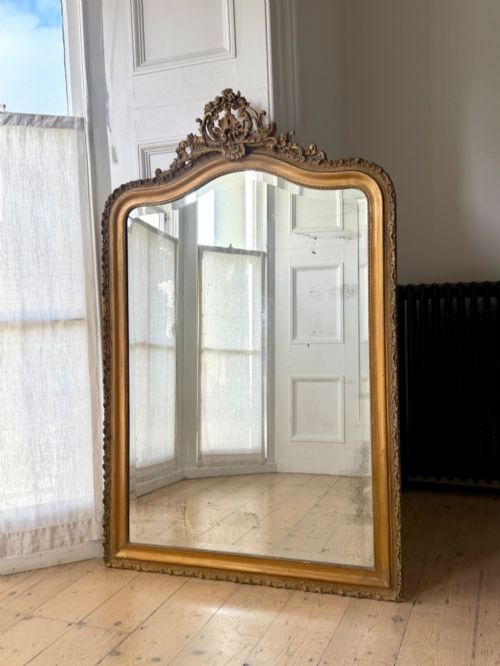
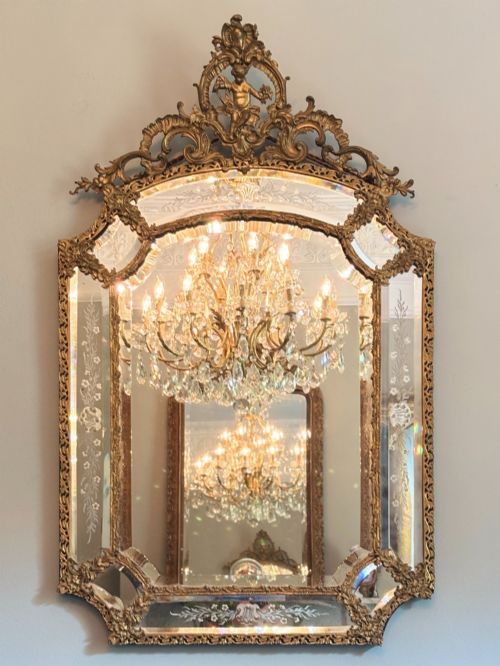
Rococo style glass and mirrored works bring together carved giltwood, crystal drops and ornate frames from the nineteenth and early twentieth centuries.
Rococo Style Glass
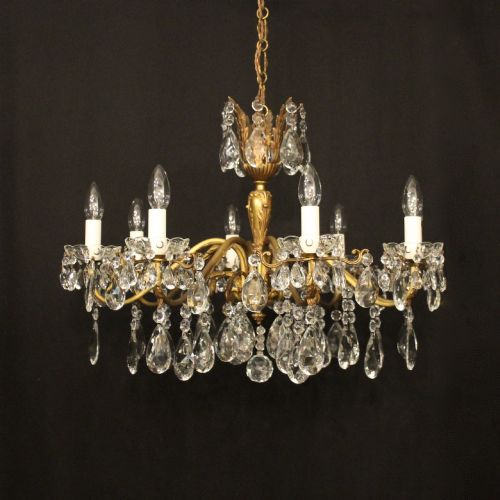
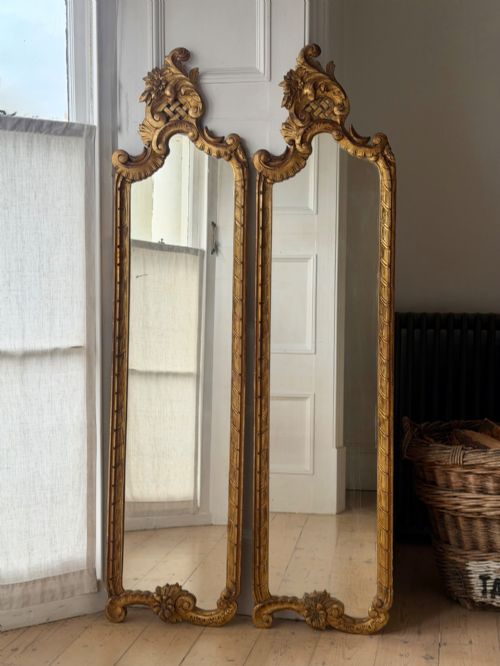
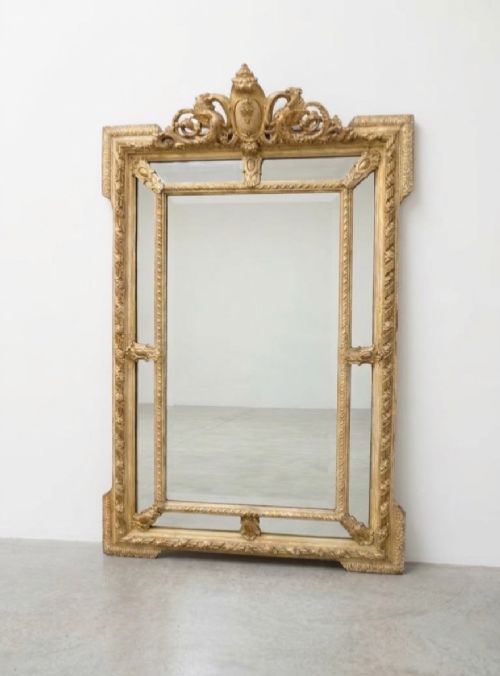
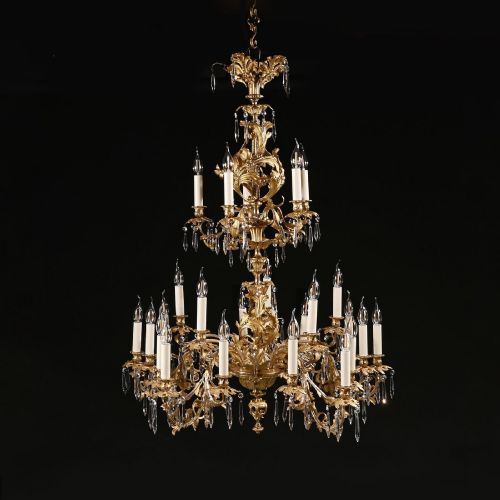
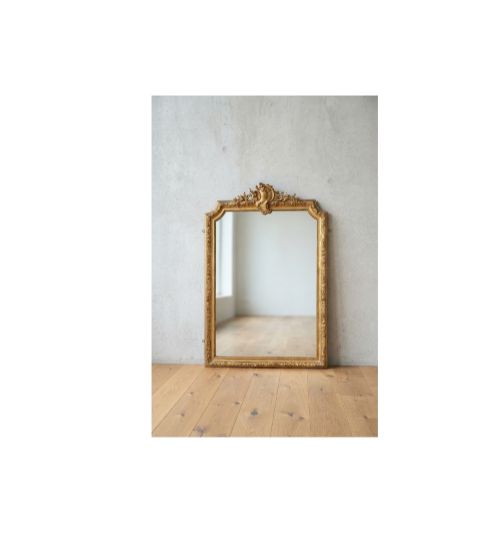
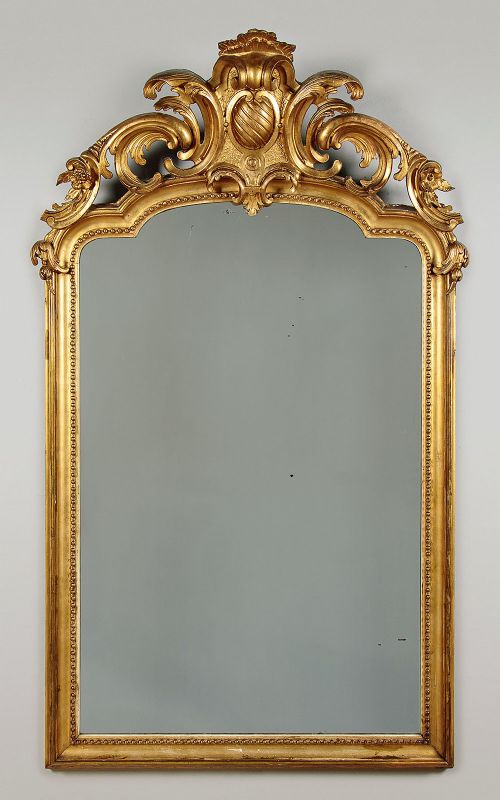
Rococo style glass encompasses grand wall mirrors, overmantels, cut glass chandeliers and display cabinets spanning the nineteenth and early twentieth centuries. These furnishings draw upon French and Italian revivals, taking form in carved giltwood, gesso and gilded bronze.
The most common pieces met on this page are wall mirrors and multi-armed crystal chandeliers dating from the Victorian era up to the nineteen-thirties. Overmantels and trumeau mirrors with mercury glass plates appear frequently alongside vitrines mounted in ormolu.
How they were made
Framing relies upon carved wood, gesso and applied gold leaf or gilt bronze, shaping the asymmetrical curves characteristic of the revival styles. Glass elements include bevelled mirror plates, etched panels, pink glass drops and heavy cut crystal arranged on chandeliers.
Cabinets employ kingwood and mahogany veneers over solid carcases, fitted with marble tops and cast ormolu mounts. Mirrors frequently utilise traditional mercury glass plates which develop characteristic foxing over time.
Rococo Style Glass Retail Price Guide 2026
Typical asking prices for rococo style glass among the pieces listed under this phrase on Sellingantiques today, from the lower quarter to the upper quarter. They describe what is for sale here now, not the wider market.
Some antique glass vases depict cheerful cherubs tending gardens, bringing a pastoral nineteenth-century charm to the mantelpiece.
What varies in quality
Quality separates through the depth and crispness of the wood carving and gesso work, alongside the purity and hand-cut precision of the crystal components. Pieces retaining their original gold leaf or mercury glass plates demonstrate superior craftsmanship compared to later regilding or replacement glass.
The sophistication of the cast ormolu mounts and the intricacy of etched details on mirror plates distinguish finer ateliers from standard production.
The Rococo Style Glass Glossary
- Gesso
- A plaster-based material applied to wood frames to provide a smooth surface for gilding. It allows for intricate moulded relief work.
- Ormolu
- Gilded bronze mounts applied to furniture and chandeliers. It provides metallic warmth and decorative structure.
- Mercury glass
- A type of double-walled glass blown with a silvering solution between the layers. It creates a reflective, slightly mottled appearance.
- Trumeau
- A decorative wall mirror paired with a painted panel or artwork above the glass. It originated in eighteenth-century interior decoration.
- Vitrine
- A glass-fronted display cabinet used for porcelain and small objects. These pieces often feature serpentine fronts and marquetry.
Rococo Style Glass: Frequently Asked Questions
How do I clean an antique giltwood mirror?
Dust gently with a soft dry brush to protect fragile gesso and gold leaf surfaces. Avoid chemical cleaners and moisture near the gilded areas.
Clean the glass plate separately using a minimal amount of glass cleaner applied to a cloth rather than sprayed directly onto the glass.
What is mercury glass?
Mercury glass is a double-walled blown glass filled with a silvering mixture and sealed at the bottom. It produces a soft, reflective sheen.
Over time, this material often develops foxing or dark spots, which collectors value as a sign of age.
How do I hang a heavy overmantel mirror?
Heavy carved wood and gesso mirrors require secure wall fixings anchored directly into masonry or wall studs. Professional installation is strongly recommended.
Check the weight distribution across the frame before mounting to prevent stress on the antique structure.
Are crystal chandeliers difficult to wire?
Antique chandeliers often require rewiring to meet modern safety standards while retaining their original brass or bronze sockets. A qualified electrician should handle the installation.
Ensure the ceiling hook can support the substantial combined weight of the metal frame and crystal drops.