


Rococo Sofa
A rococo sofa brings fluid curves and ornate carved frames into a room, drawing the eye with its sculptural presence and deep comfort.
Rococo Sofa
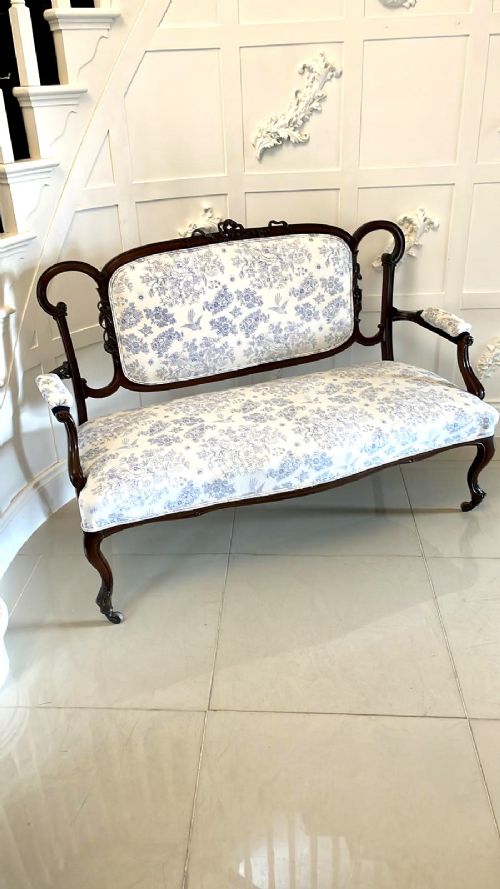
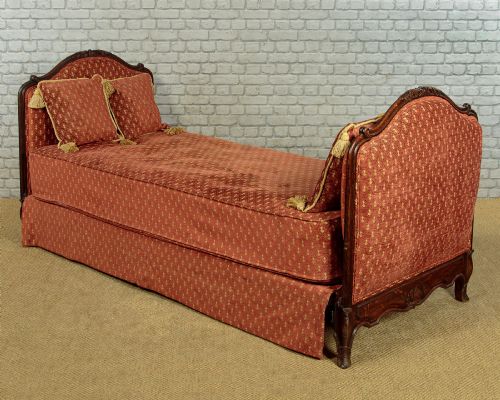
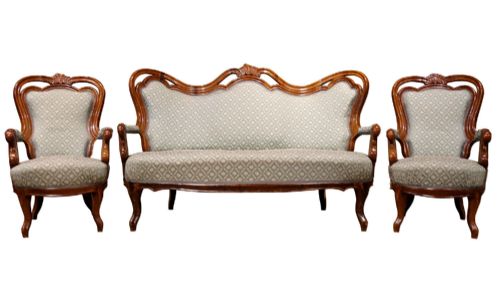
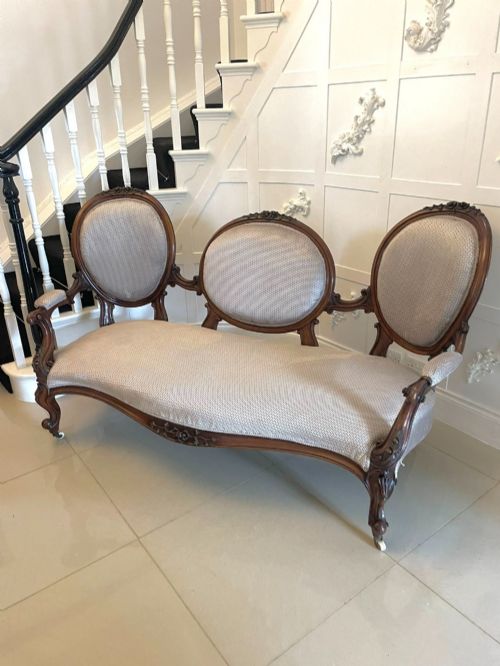
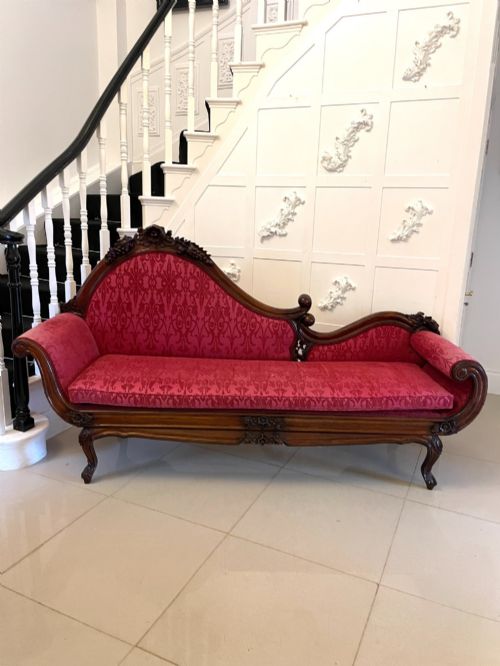
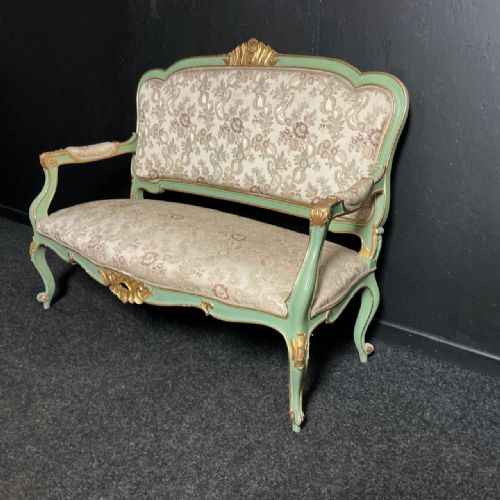
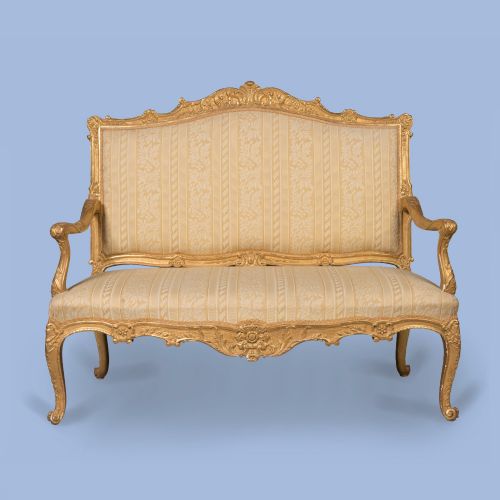
When you search for a rococo sofa, you encounter seating shaped by the decorative vocabulary of the mid-eighteenth century, reinterpreted across the nineteenth century. These pieces appear as walnut, mahogany, or giltwood settees, canapés, and salon suites that emphasise asymmetric cartouches and scrolling foliage.
The version you are most likely to meet on this page is the Victorian rococo revival piece, often rendered in carved walnut with a shaped back and upholstered seat. Alongside these sit continental interpretations, including French Louis XV style pieces and Italian examples dating from the nineteenth century.
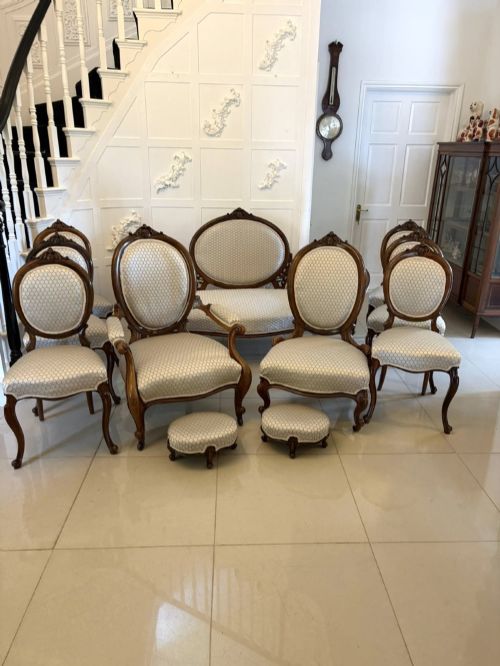
Makers of this seating utilised curvaceous frames and upholstered components designed for formal drawing rooms and boudoirs. The forms range from single two-seat settees to larger suites that include matching armchairs and footstools.
Materials and construction
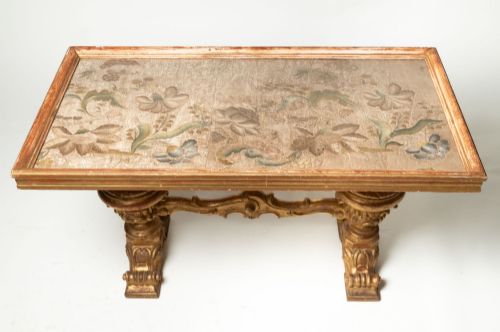
Timbers such as walnut, burr walnut, and mahogany provide the structural integrity for these frames, allowing craftsmen to execute deep, rounded carvings along the crest rails and cabriole legs. Giltwood surfaces appear on pieces executed in the Louis XV manner, applying gold leaf over carved wood bases.
Upholstery forms a primary component of construction, utilising fabric, silk, and textile coverings secured over sprung or padded seats. The joinery combines traditional framing methods with applied decorative elements like marquetry, parquetry, and cane panels.
Rococo Sofa Retail Price Guide 2026
Typical asking prices for rococo sofa among the pieces listed under this phrase on Sellingantiques today, from the lower quarter to the upper quarter. They describe what is for sale here now, not the wider market.
Listings feature walnut, mahogany, and giltwood frames spanning the Victorian era and the broader nineteenth century.
Distinguishing quality
The standard of carving defines the distinction between ordinary production and superior craftsmanship, visible in the depth and crispness of the foliage and scrollwork. Timbers selected for the frame, particularly figured burr walnut or substantial mahogany, indicate the degree of care invested in the piece at origin.
Proportion and line separate exceptional seating from heavier vernacular interpretations, as balanced curves and harmonious dimensions govern the silhouette. The integration of original gilt surfaces or refined upholstery detailing further elevates the character of a piece.
The Rococo Sofa Glossary
- Canapé
- An upholstered sofa, typically with an exposed wooden frame designed in the French taste. These pieces often feature carved rails and cabriole legs.
- Cabriole leg
- A furniture leg that curves outward at the knee and tapers inward toward the foot, mimicking animal limbs. It appears frequently on revival seating.
- Cartouche
- An ornamental frame resembling a scroll or unwrought scroll, often centred on the back rail of a settee. It serves as a focal point for carved decoration.
- Giltwood
- Wood that has been coated with gold leaf or gold paint to simulate solid gold. This finish is common on pieces referencing French royal styles.
Rococo Sofa: Frequently Asked Questions
What is a rococo sofa?
A rococo sofa is an upholstered seat characterised by curving lines, asymmetrical decoration, and carved wooden frames drawing on eighteenth-century French design.
These pieces emerged strongly during the nineteenth-century revival periods in Britain and continental Europe for use in formal reception rooms.
How do I style a rococo sofa?
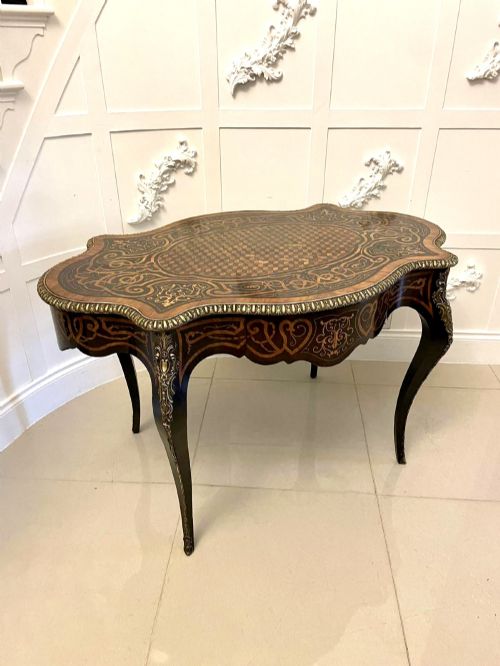
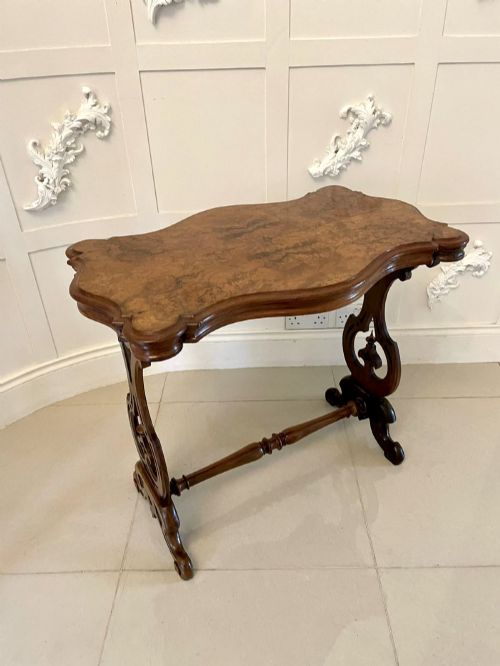
You integrate a rococo sofa into a room by allowing its sculptural wooden frame and curved silhouette to stand out against neutral walls. Pairing the piece with complementary occasional tables helps anchor the seating area.
These settees function well as focal points in living spaces or bedrooms, blending historic character with modern interior layouts.
Are these sofas comfortable?
These sofas offer generous seating depths and padded backs designed for formal relaxation and conversation. The construction relies on traditional upholstery methods to provide support.
Many examples feature cushioned seats and upholstered armrests suited for daily use within a sitting room.
How do I identify the period?
You determine the period by examining the timber, the style of the carving, and the upholstery structure underneath the fabric. Nineteenth-century revival pieces often display heavier proportions and darker walnut or mahogany than their eighteenth-century prototypes.
Looking at construction marks and joinery techniques helps clarify whether a piece originates from the Victorian era or later revival phases.