



Rococo Silver Bowl
These rococo silver bowl items bring sculptural flourish to a room, offering ornate metalwork and exuberant scroll forms.
Rococo Silver Bowl
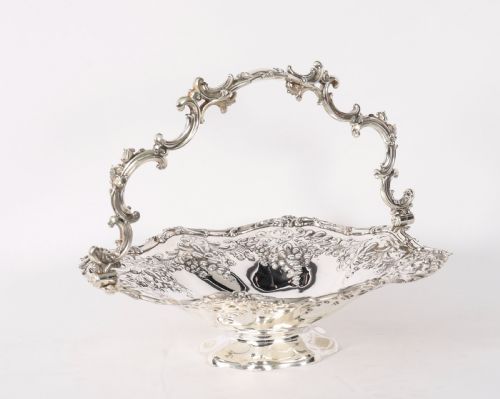
A rococo silver bowl search reveals elaborate tableware forms spanning sugar basins, decorative dishes, fruit baskets, and large centrepieces. These pieces date across the eighteenth, nineteenth, and twentieth centuries, capturing periods from Georgian and Victorian revivals up to Edwardian eras.
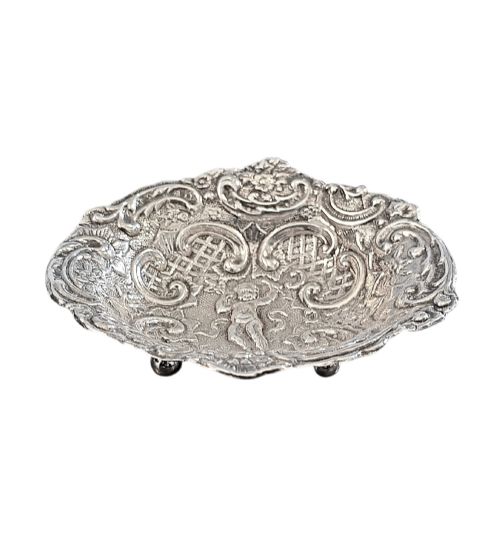
The versions most commonly met on this page include nineteenth-century silver plated baskets and Victorian sterling silver sugar bowls. Examples range from Birmingham bonbon dishes featuring cherubs to Irish sterling pieces and Austrian creations from Vienna.
Makers and origins stretch from English workshops to Irish silversmiths and continental European output, providing diverse interpretations of the style. Buyers encounter everything from small confection dishes to substantial wine coolers and four-piece tea services.
Materials and construction
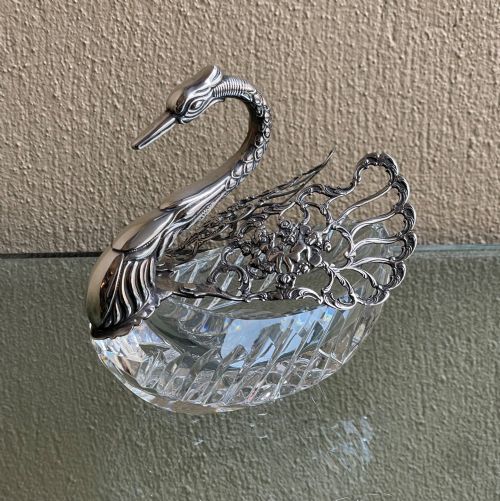
Items in this category utilise sterling silver, solid silver, and various forms of silver plating including silver on copper and electroplated nickel silver. Additional materials such as cut glass, copper, gilt, and base metal appear alongside primary metal structures.
Manufacturing methods involve traditional silversmithing techniques, hallmarking, and plating processes applied to decorative vessels. Detail work includes chased scrollwork, shell motifs, and applied figural elements like cherubs.
Rococo Silver Bowl Retail Price Guide 2026
Typical asking prices for rococo silver bowl among the pieces listed under this phrase on Sellingantiques today, from the lower quarter to the upper quarter. They describe what is for sale here now, not the wider market.
Materials represented include sterling silver, silver plate on copper, cut glass, and electroplated nickel silver.
Assessing quality and execution
Quality reveals itself in the crispness of the chased decoration and the depth of the repoussé work across the bowl body. Superior examples maintain sharp relief in asymmetric scrolls and naturalistic floral motifs without softening from wear or over-polishing.
The weight of the metal and the integrity of construction, particularly in handles, feet, and applied borders, separate standard production from finer craftsmanship. Hallmarks and maker stamps provide historical context regarding the origin and standard of the silver or plating.
William Aitken·Barker Ellis
The Rococo Silver Bowl Glossary
- Rococo Revival
- A nineteenth-century artistic movement reviving the asymmetrical scrolls, C-scrolls, and shell motifs of the eighteenth-century French style. This aesthetic defines the ornamentation on many Victorian and Edwardian tablewares.
- Sterling Silver
- An alloy consisting of ninety-two point five percent silver by mass, with the remainder composed of copper or other metals. English pieces typically bear hallmarks certifying this standard.
- Silver Plate
- A base metal such as copper, nickel silver, or Britannia metal covered with a thin layer of pure silver. Techniques include electroplating and fusing silver sheets to copper.
- Bonbon Dish
- A small ornamental vessel specifically designed for holding sweets, candies, or bonbons. These often stand on elevated feet or feature swing handles.
- Centrepiece
- A large, decorative focal piece placed in the middle of a dining table. In this category, these take the form of heavily detailed silver baskets or footed bowls.
Rococo Silver Bowl: Frequently Asked Questions
What is a rococo silver bowl used for?
These vessels serve primarily as decorative tableware, holding sugar, fruit, bread, or confectionery during formal dining. Their ornate design allows them to function as standalone centrepieces or display dishes when not in active use.
Over the centuries, collectors have adapted these pieces for modern interiors, using them to display small decorative items or simply appreciating the craftsmanship as mantel or sideboard ornaments.
How do I care for silver plated bowls?
Maintenance requires gentle cleaning with specialised silver polish and a soft cloth to preserve the plating without wearing through to the base metal. Avoiding harsh abrasives and chemical dips prevents damage to recessed decorative details.
Storing pieces in a dry environment away from direct sunlight and humidity helps retard tarnishing between uses. Regular, light dusting is preferable to frequent heavy polishing.
How can I tell sterling from silver plate?
Sterling silver items generally bear official hallmarks indicating the silver standard, maker, and assay office of origin. These stamps provide verifiable proof of solid precious metal content.
Silver plated items often show areas where the base metal, such as copper or brass, peeks through worn spots on high-friction points. Plated pieces may also lack official sterling purity marks and rely on maker marks denoting electroplating methods.