
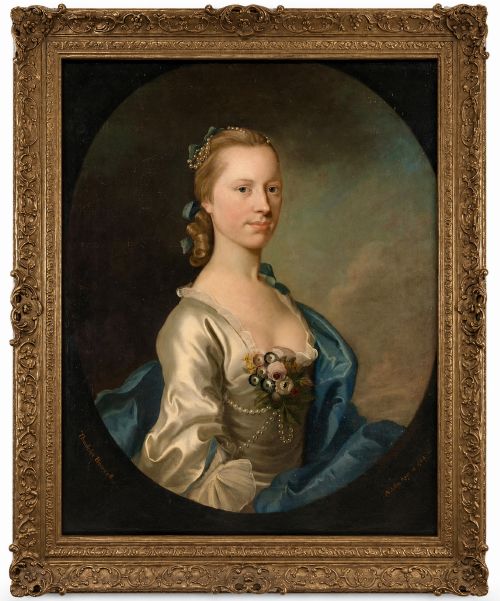


Rococo Oil Portrait Lady
A rococo oil portrait lady brings eighteenth-century elegance into a room through layered brushwork and luminous textiles.
Rococo Oil Portrait Lady
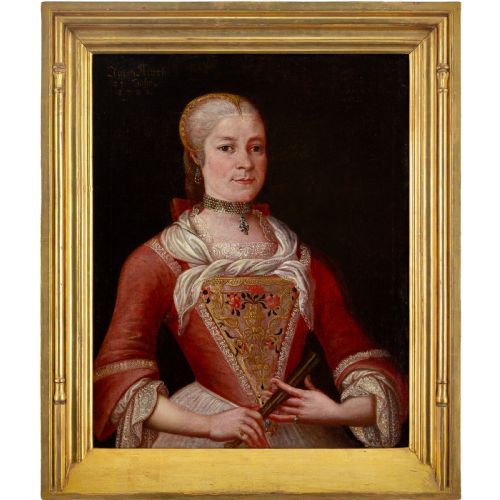
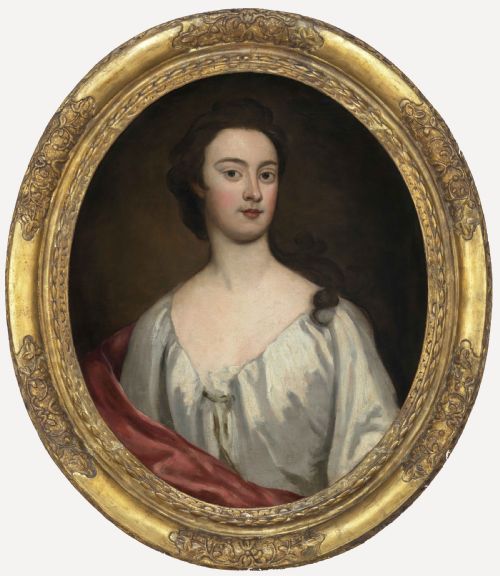
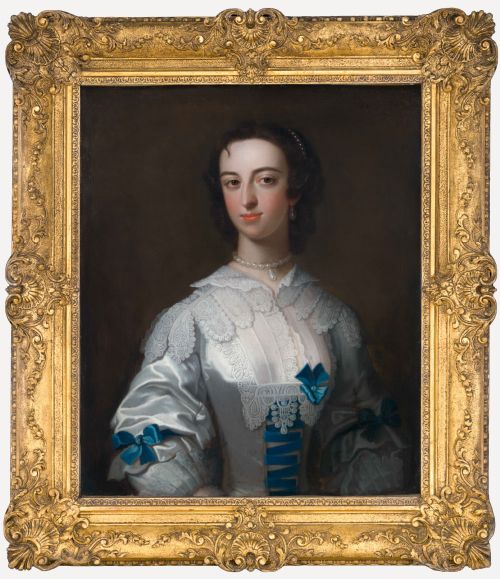
A rococo oil portrait lady captures the likeness of aristocratic and elegant female subjects from the eighteenth century. These works frequently depict sitters adorned in silk, lace, and elaborate gowns, reflecting the visual culture of the period. Buyers seeking a rococo oil portrait lady will encounter pieces ranging from intimate cabinet works to large-scale gallery canvases.
The selections span the broader eighteenth century, with specific examples dated from around seventeen hundred to seventeen fifty. Stylistic influences vary from French Baroque and Georgian traditions to regional European schools including Bavarian origins. Such paintings often feature the characteristic soft palettes and decorative ornamentation associated with the mid-eighteenth century.
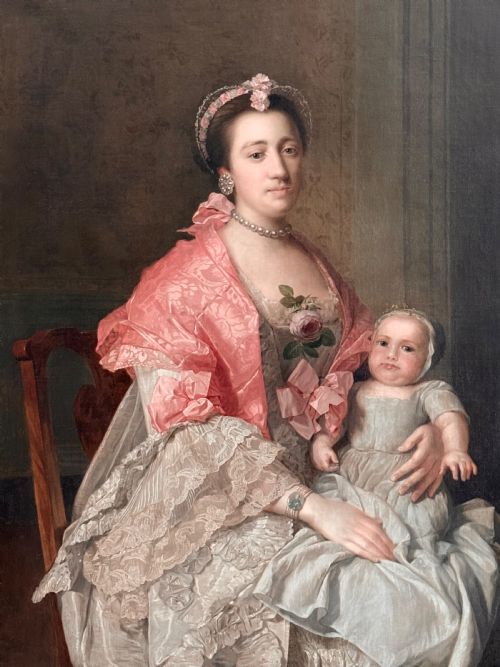
Works appear either as independent portraits or in familial settings, occasionally accompanied by symbolic attributes like lambs or botanical elements. Surviving items are commonly presented within period-appropriate giltwood frames that complement the ornate aesthetic of the canvases. These portraits serve as primary historical documents of eighteenth-century dress and portraiture convention.
Materials and construction
Artists of this period applied oil paint primarily onto stretched canvas supports, utilising the absorbent properties of gesso grounds to build luminosity. Certain smaller works utilised copper panels as a stable base for fine pigment application. The resulting paint layers combine opaque passages with translucent glazes to render the complex textures of silk and satin costumes.
Framing forms an integral part of these physical objects, utilising carved wood finished with gold leaf or giltwood. These frames were constructed by specialists to house the specific dimensions of the oil paintings. The combination of organic canvas supports, traditional oil media, and gilded wooden surrounds defines the material reality of these surviving artworks.
Several ladies share their canvas space with unexpected companions, including a lamb and a young child.
Assessing quality in portraiture
The standard of execution in facial rendering and hand articulation distinguishes master workshops from regional school output. Superior canvases display subtle tonal gradations in flesh tones and confident handling of lace and ribbon details. Lesser examples rely on formulaic drapery and stiff anatomical proportions.
The preservation of the original paint surface and the integrity of the underlying canvas significantly affect the standing of an artwork. Retaining contemporary giltwood frames enhances historical completeness, whereas heavily restored or later replacement frames alter the visual context. The degree of attribution to recorded portraitists also influences the standing of individual pieces.
Sir Allan Ramsay·Jeremiah Davison·Henry Pickering·Nicolas Fouche·Nathaniel Hone·Arthur Pond·Philip Mercier·Joseph Highmore·Francis Hayman
The Rococo Oil Portrait Lady Glossary
- Giltwood
- Wood carved and coated with gold leaf or gold paint. This finish creates the bright, reflective borders typical of eighteenth-century frames.
- Oil on Canvas
- Pigment mixed with drying oil applied to a woven fabric support. This medium allowed artists to achieve rich colour depths and subtle blending.
- Rococo
- An artistic style characterised by ornate ornamentation, pastel colours, and curved lines. It dominated European visual culture during the mid-eighteenth century.
- Baroque
- A preceding artistic style marked by grandeur, drama, and rich detail. Elements of this aesthetic often persist in early eighteenth-century portraiture.
- Provenance
- The documented history of ownership for an artwork. Establishing this record helps confirm the attribution and age of historical paintings.
Rococo Oil Portrait Lady: Frequently Asked Questions
What is a rococo oil portrait lady?
It is an eighteenth-century painting depicting a female subject within the decorative conventions of the period. These works capture aristocratic fashion and interior aesthetics.
Subjects are typically shown in detailed silk or lace attire, sometimes accompanied by symbolic items or animals. The style emphasises softer expressions and ornate framing.
How were these portraits displayed originally?
These paintings hung in grand townhouses and country estates as statements of lineage and taste. They formed part of wider decorative schemes alongside period furnishings.
Owners positioned them in reception rooms and galleries to impress visitors with their social standing. The heavy giltwood frames were designed to catch candle and natural light.
How do I care for an oil painting on canvas?
Keep the canvas away from direct sunlight and sudden shifts in room temperature or humidity. Stable environmental conditions prevent the wood stretcher and paint layer from cracking.
Dust the surface gently with a soft, dry brush without applying pressure. Avoid using liquid cleaners or household solvents on the delicate paint layers.
How can I tell the period of the frame?
Period frames feature hand-carved wooden ornament beneath the gold leaf rather than moulded composition material. Inspect the corners and back edges for tool marks and aged gesso grounds.
Original frames fit the exact dimensions of the canvas without modern shims or altering hardware. The patina of the gilding should match the expected age of the artwork.