






Rococo Lounge Chair
These rococo lounge chair examples bring nineteenth-century revival seating and French mannerisms into modern rooms through carved timber frames and rich upholstery.
Rococo Lounge Chair
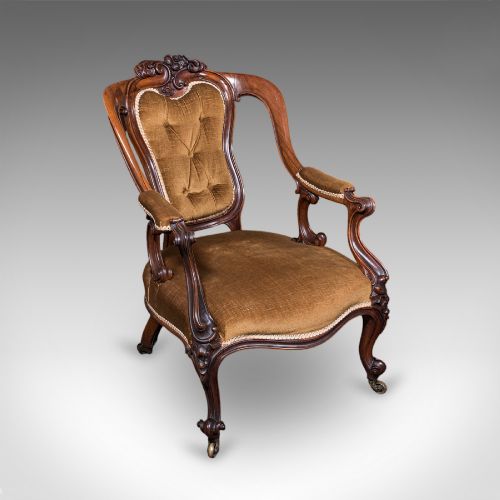
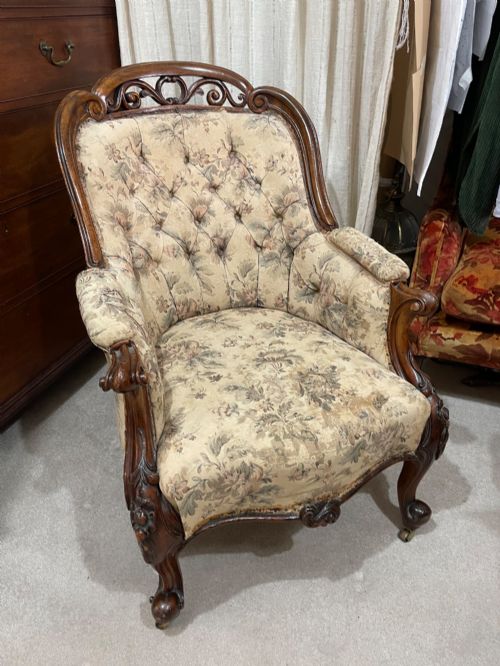
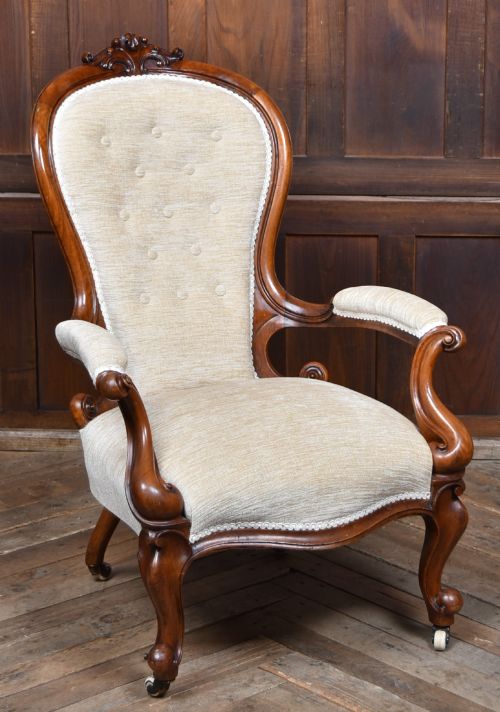
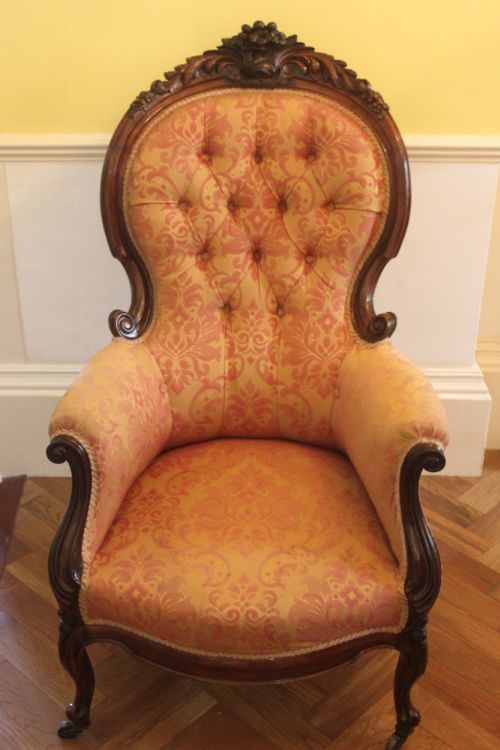
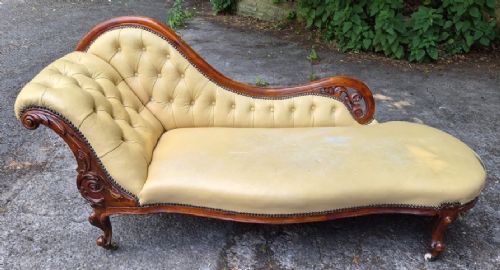
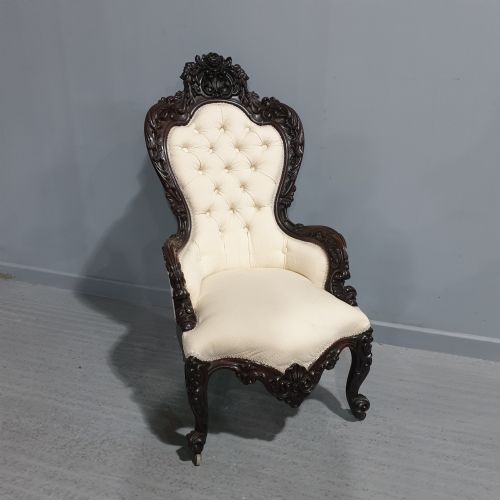
A rococo lounge chair encompasses nineteenth-century revival seating, including Victorian spoon-back chairs, gentleman's armchairs, and chaise longues. These pieces emerge primarily from Victorian, nineteenth-century, and early twentieth-century periods, capturing French Rococo Revival, Louis Quinze, and Italian styles.
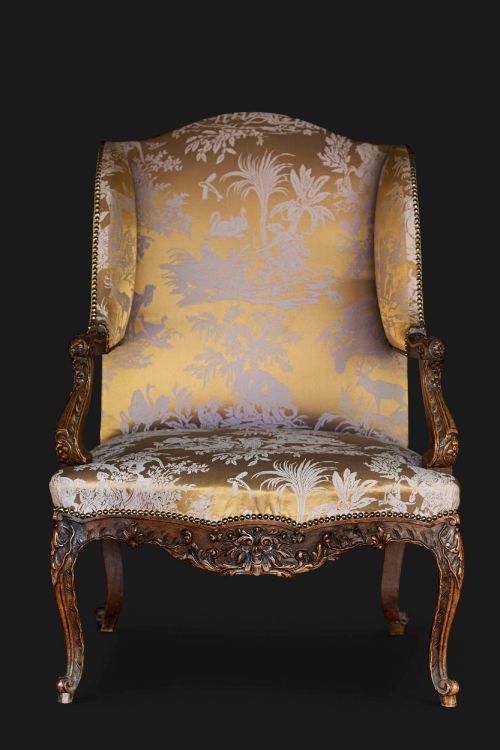
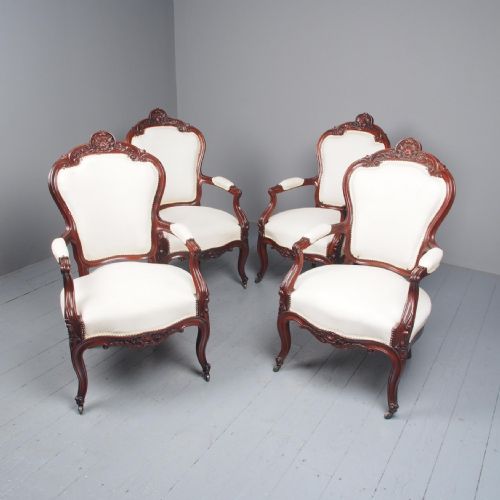
Buyers frequently encounter walnut armchairs, mahogany frames, and giltwood seating alongside French and Italian painted designs. The inventory includes singular armchairs, matching pairs, and multi-piece salon suites suited for drawing rooms and parlours.
How they were made
Carpenters shaped structural frames from walnut, mahogany, rosewood, and timber, applying intricate carvings to cabriole legs and frame borders. Giltwood and painted finishes provide decorative surfaces on French and Italian models.
Upholstery techniques utilise fabric, velvet, textile, and petit point needlework to pad seats, backs, and armrests. Brass elements sometimes secure structural components or accent the timber and gilt surfaces.
Rococo Lounge Chair Retail Price Guide 2026
Typical asking prices for rococo lounge chair among the pieces listed under this phrase on Sellingantiques today, from the lower quarter to the upper quarter. They describe what is for sale here now, not the wider market.
Gentleman's armchairs of the Victorian period were built with lower seats to accommodate the bulky waistcoats gentlemen wore.
What varies in quality
Depth and precision of woodcarving separate standard frames from superior examples, particularly in the execution of floral motifs and scrollwork along the crest rails and cabriole legs. The choice of primary timber, from plain walnut to figured mahogany or heavy giltwood, dictates the visual weight of the chair.
Integrity of the original frame construction and the fidelity of revival styles, whether following Louis Quinze or Victorian patterns, determine the piece's standing. Upholstery materials range from simple contemporary textiles to period-appropriate petit point needlework.
The Rococo Lounge Chair Glossary
- Cabriole leg
- A furniture leg that curves outward and tapers inward to a foot, typical of revival seating from the nineteenth century. This form mimics animal limbs and appears frequently on walnut and mahogany armchairs.
- Giltwood
- Timber coated with gold leaf or gold paint to create a brilliant decorative surface. This finish defines many French and Italian armchairs from the nineteenth century.
- Bergere
- An enclosed upholstered armchair with wooden framing exposed around the sides and back. These French-style seats often feature gilt or painted timber.
- Chaise Longue
- An elongated upholstered chair designed for reclining, combining a seat with a headrest. These pieces appear in carved mahogany and walnut variants across the Victorian period.
- Petit point
- A fine counted-thread needlepoint embroidery used for upholstery on nineteenth-century chair backs and seats. It allows for intricate pictorial and floral patterns.
Rococo Lounge Chair: Frequently Asked Questions
How do I identify a rococo lounge chair?
Look for characteristic curved lines, asymmetrical floral carvings, and cabriole legs that signal revival periods of the nineteenth century.
Frames typically employ walnut, mahogany, or giltwood, often paired with upholstered backs and open arms.
Where should I place a salon suite?
These matching chairs suit principal reception rooms, drawing rooms, or spacious bedrooms where their carved timber frames and upholstery can be viewed from multiple angles.
Pair them with complementary nineteenth-century furniture to maintain historical context.
Are these chairs comfortable for daily use?
Most nineteenth-century armchairs and chaise longues offer deep seating and padded armrests designed for relaxation.
Modern comfort depends on the internal springing and padding condition within the fabric or velvet upholstery.
What distinguishes French revival from Victorian pieces?
French revival examples often feature lighter giltwood finishes, bergere framing, and Louis Quinze stylistic cues.
Victorian variants frequently utilise darker walnut or mahogany timbers with heavier carved details and spoon-back designs.