


Rococo Glass Mirror
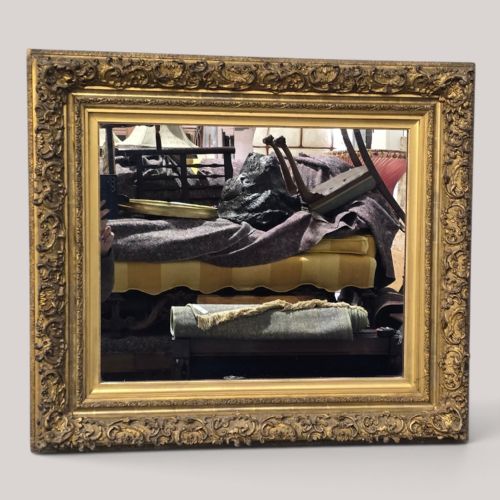
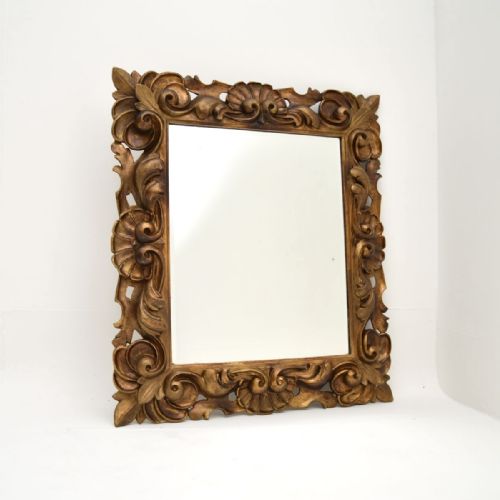
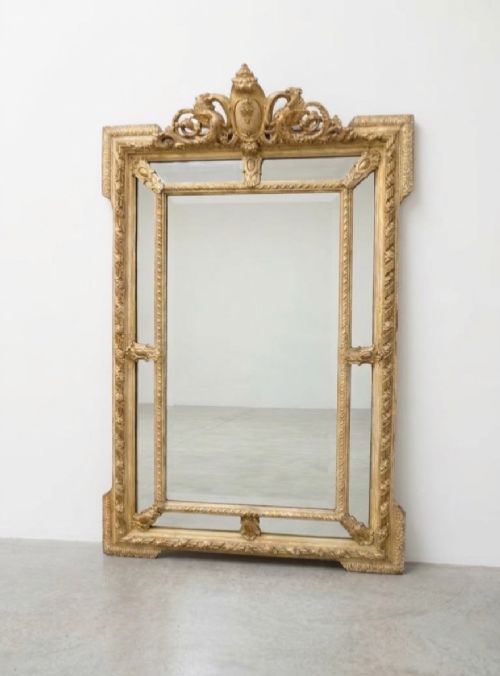
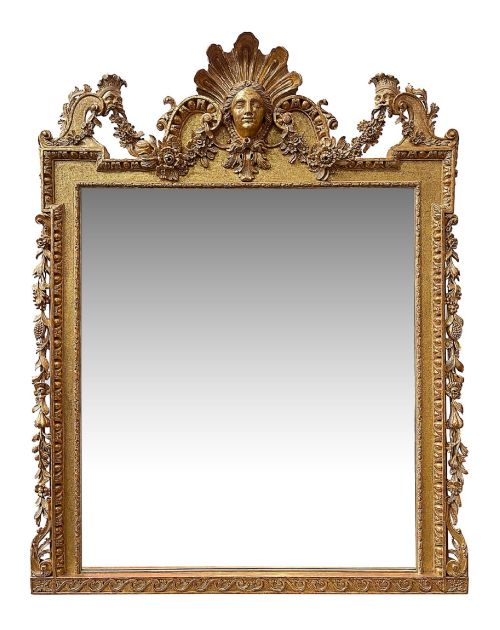
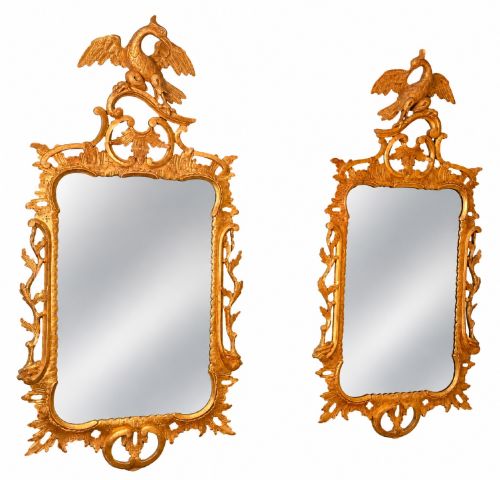
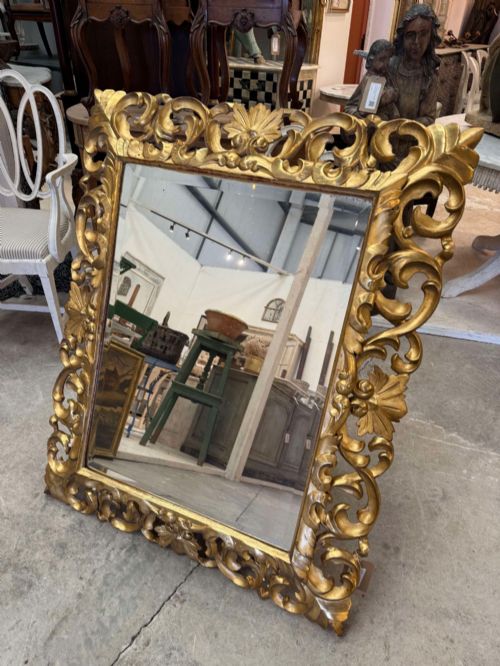
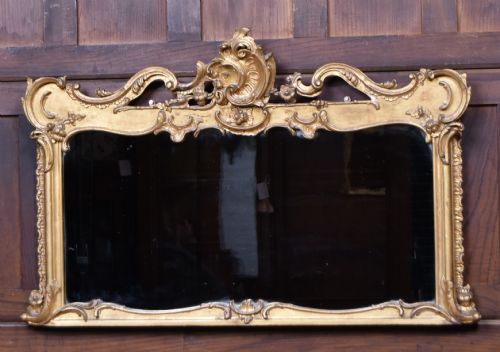
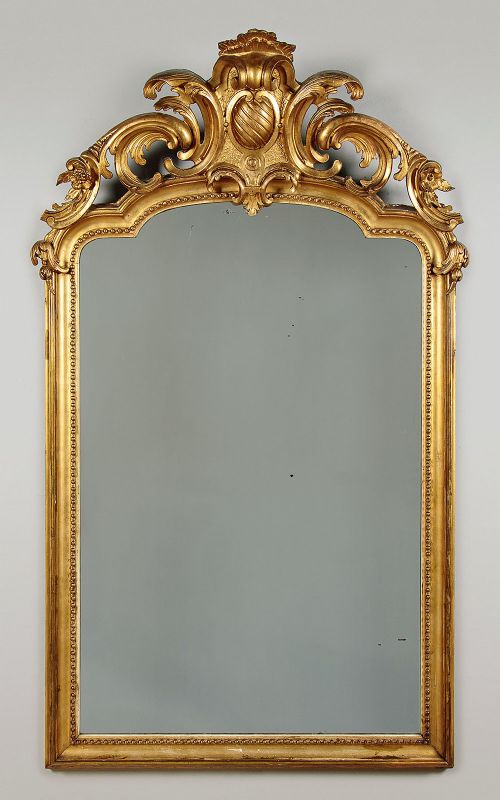
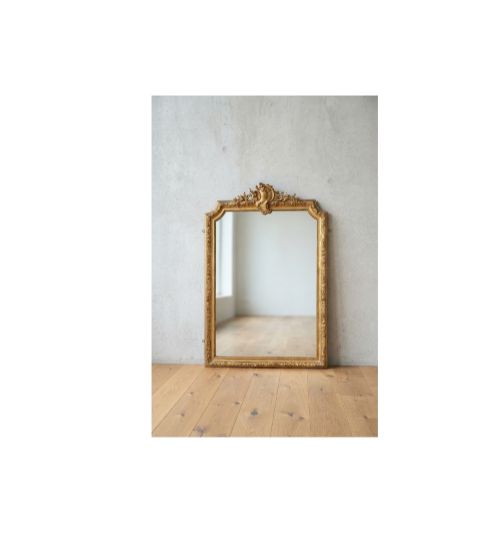
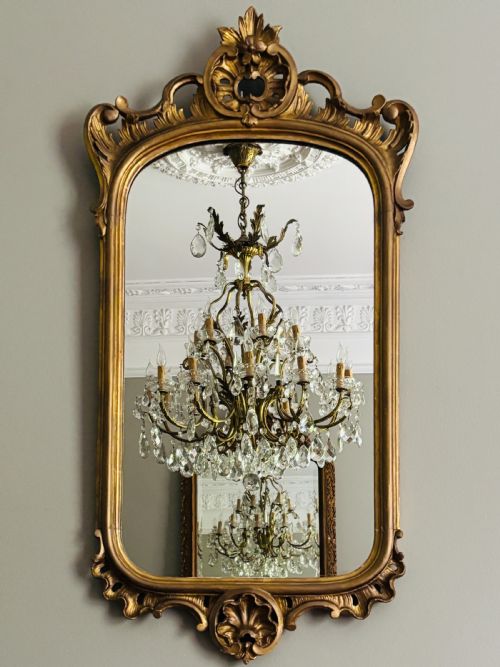
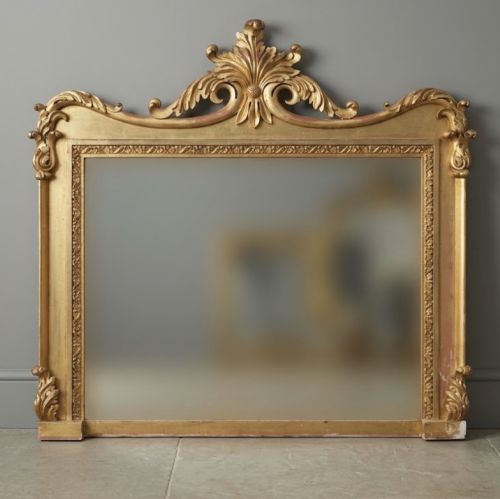
These gilded glass mirror examples bring the fluid asymmetry and elaborate scrollwork of eighteenth-century design into nineteenth-century domestic spaces.
Rococo Glass Mirror
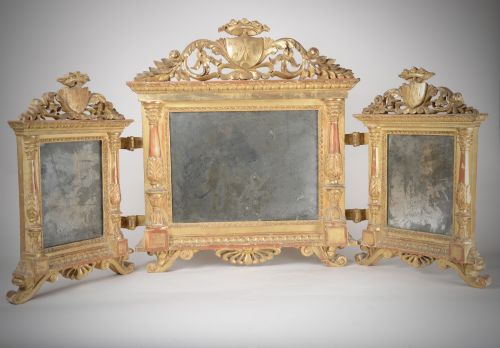
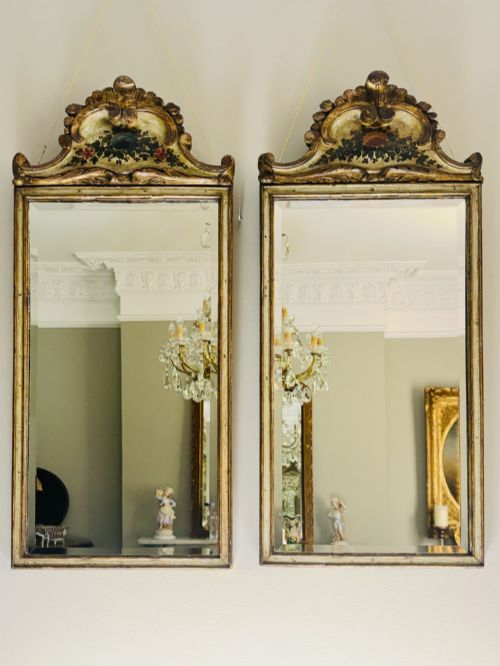
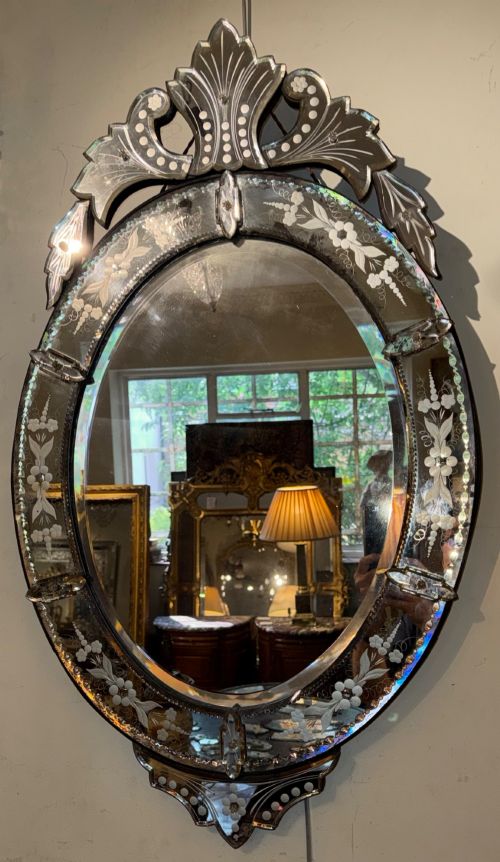
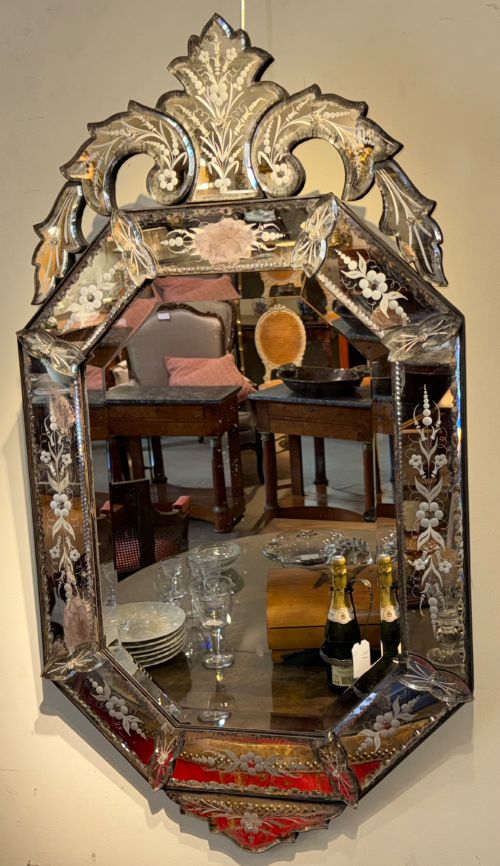
A rococo glass mirror unites intricate carved woodwork with reflective plates, drawing primarily from nineteenth-century revivals and eighteenth-century origins. These pieces appear frequently as wall mirrors, grand overmantels, and paired Venetian creations.
The aesthetic leans heavily on French Louis XV influences and Italian craftsmanship, often integrating painted finishes, giltwood, and gesso into domestic settings. Buyers encounter numerous wall-mounted formats alongside console table combinations and trumeau panels.
Materials and construction methods
Artisans built the structural frames from carved wood, applying layers of gesso to smooth the surface before adding gold leaf, silver gilt, or paint. This foundational groundwork allowed craftsmen to shape the characteristic scrolls, foliage, and asymmetrical motifs.
Mirror plates consisted of traditional glass, occasionally incorporating mercury formulations that produced characteristic foxing, or bevelled edges that caught the light. Ormolu mounts and marble tops supplemented the timber and glass elements on larger ensemble pieces.
Rococo Glass Mirror Retail Price Guide 2026
Typical asking prices for rococo glass mirror among the pieces listed under this phrase on Sellingantiques today, from the lower quarter to the upper quarter. They describe what is for sale here now, not the wider market.
Several mirrors still retain their original pastoral oil paintings nestled right above the glass plate.
Defining quality in antique mirrors
The depth and crispness of the wood carving dictate the visual impact of the frame, distinguishing deeply undercut foliage from shallow, moulded ornamentation. Superior examples display hand-tooled execution where every scroll retains sharp definition and individual character.
The integrity of the original mercury glass plate or the precision of the bevelling contributes significantly to the authenticity and visual weight of the piece. Uniformity in the application of gold leaf and the stability of the underlying gesso structure further separate standard production from masterwork execution.
The Rococo Glass Mirror Glossary
- Giltwood
- Timber coated with gold leaf applied over a prepared gesso ground. This technique provides the luminous metallic finish seen on many period frames.
- Gesso
- A plaster mixture applied to carved wood to create a smooth surface for gilding or painting. It allows artisans to render fine relief details.
- Mercury glass
- Mirror glass produced using a tin and mercury amalgam poured behind the glass pane. It frequently develops dark spots and a characteristic mottled appearance over time.
- Trumeau
- An architectural wall panel incorporating a painted scene or mirror plate within a decorative wooden frame. These pieces often hang above fireplaces or console tables.
- Overmantel
- A large mirror designed specifically to be positioned above a mantelpiece. They scale horizontally or vertically to anchor grand reception rooms.
Rococo Glass Mirror: Frequently Asked Questions
Where should I hang a rococo glass mirror?
These mirrors function best above living room fireplaces, grand console tables, or as focal points in entrance halls where light can bounce off the reflective plate.
Ensure the wall structure can support the substantial weight of carved wood and gesso frames, particularly for larger overmantel examples.
How do I care for antique giltwood?
Dust the carved surfaces gently with a soft, dry brush to prevent accumulation in the intricate recesses of the gesso and gold leaf.
Avoid liquid cleaners, chemical sprays, and abrasive cloths, which can strip away delicate historic gilding over time.
What defines the rococo style?
The style emerged in eighteenth-century France, prioritising asymmetrical curves, shell motifs, C-scrolls, and organic plant forms over rigid symmetry.
Nineteenth-century revival pieces embraced these same exuberant design principles with renewed enthusiasm and technical skill.
Are original mercury glass plates fragile?
Original mercury glass plates are stable within their frames but require careful handling during transport or relocation.
The natural ageing process often creates foxing, which collectors value as proof of genuine nineteenth or eighteenth-century origin.