






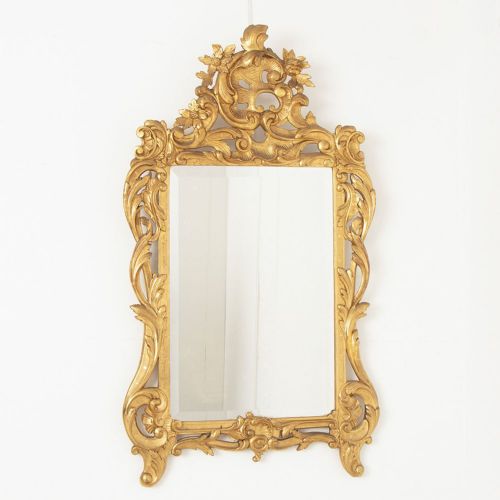
Rococo Gilded Looking Glass
A rococo gilded looking glass brings exuberant movement and warm metallic reflection to a room, turning a blank wall into a focal point.
Rococo Gilded Looking Glass
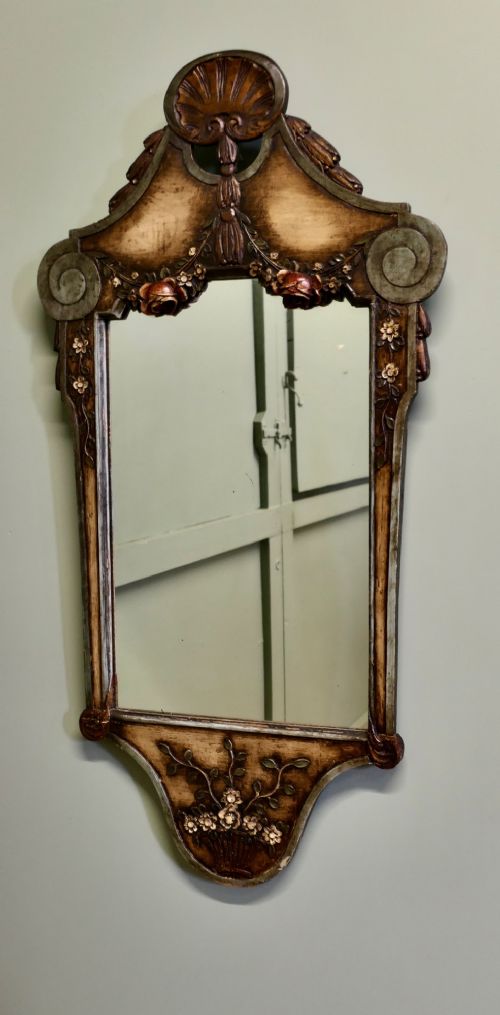
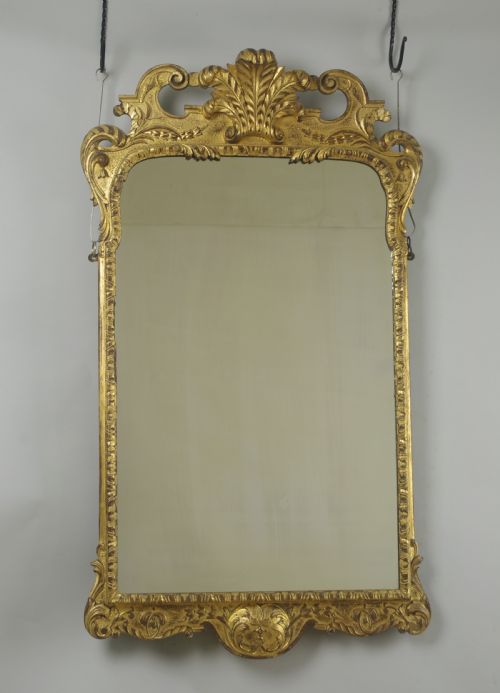
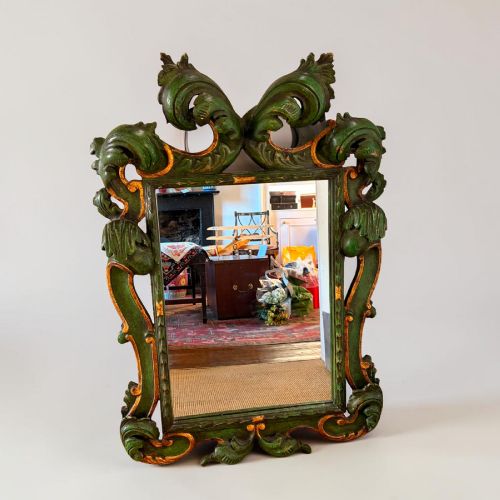
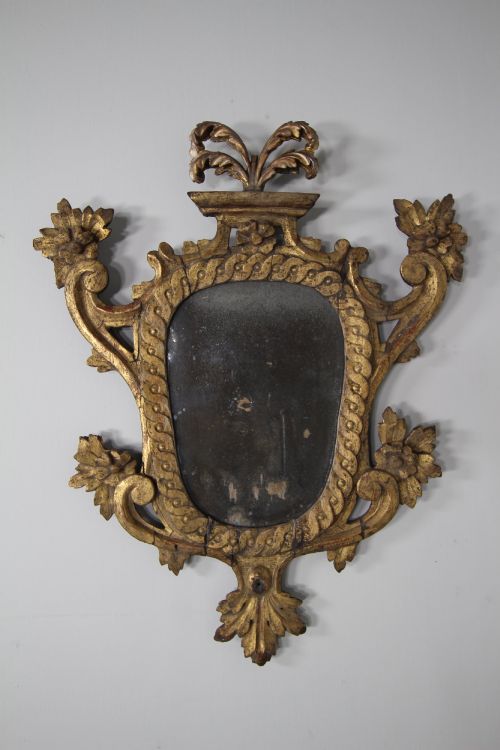
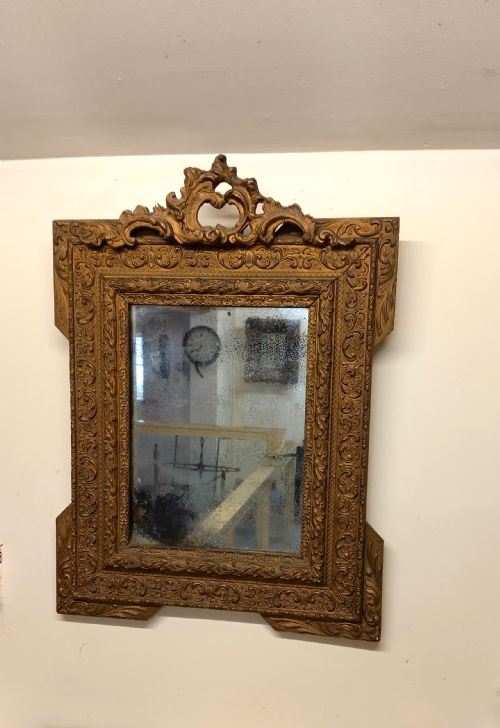
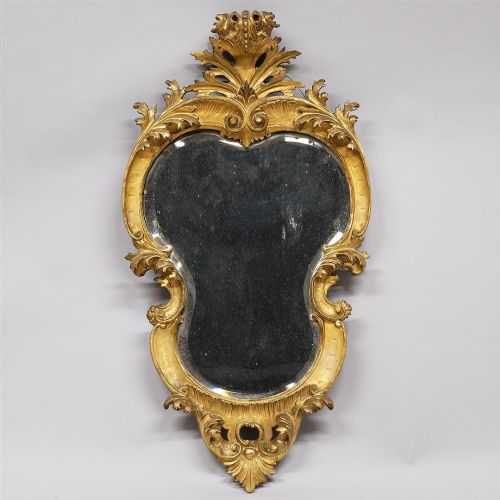
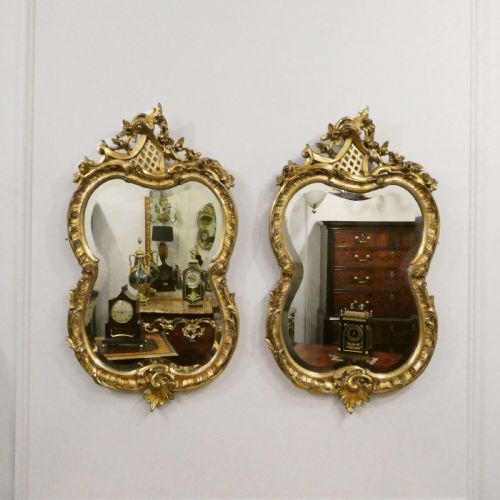
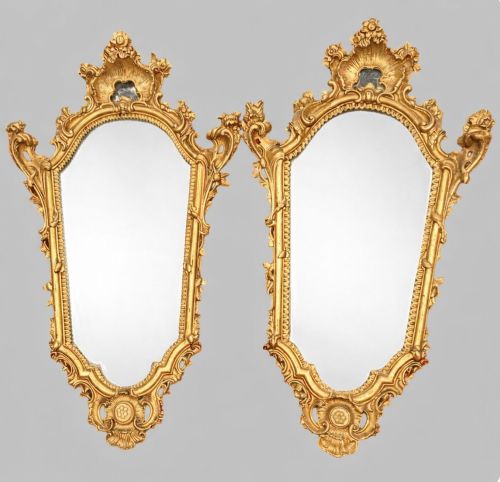
A rococo gilded looking glass takes the form of an ornate wall mirror framed in carved wood or gesso, shaped by the fluid, asymmetrical curves characteristic of the style. These decorative pieces emerge frequently in eighteenth-century origins, alongside nineteenth-century revivals and early twentieth-century interpretations.
Buyers encounter variations spanning French, Italian, and English traditions, including oval wall mirrors and large rectangular plates with elaborate crests. Many examples reflect the influence of the Louis XV manner and Chippendale designs, rendered in carved wood or painted finishes.
The objects serve primarily as wall mirrors, combining functional reflective glass with sculptural frames designed to catch candlelight or natural illumination. Pieces range from intimate domestic looking glasses to very large decorative wall mirrors intended for principal reception rooms.
How they were made
Makers shaped the frames using carved wood, gesso, and applied gold leaf or paint to build up the intricate scrolls and foliage of the rococo style. Artisans carved wooden substrates directly, applying layers of gesso to smooth surfaces before gilding.
Mirror glass plates within these frames sometimes feature engraved details or show the slight imperfections typical of earlier manufacturing methods. Frames combine structural timber with cast or moulded composition elements in later revival periods.
Rococo Gilded Looking Glass Retail Price Guide 2026
Typical asking prices for rococo gilded looking glass among the pieces listed under this phrase on Sellingantiques today, from the lower quarter to the upper quarter. They describe what is for sale here now, not the wider market.
Some nineteenth-century Italian looking glasses spent decades reflecting alpine sunlight before making their way into modern drawing rooms.
What varies in quality
Depth and crispness of the carving distinguish finer examples, where the naturalistic asymmetry of scrolls and foliage appears dynamic rather than mechanical. Hand-applied gold leaf over properly prepared gesso exhibits a warmer lustre than flat modern metallic paint.
The integrity of the frame construction and the retention of the original mirror plate heavily influence the character of the piece. Superior examples maintain harmonious proportions between the heavy crested frame and the central glass.
The Rococo Gilded Looking Glass Glossary
- Giltwood
- Wood that has been coated with gold leaf. This finish provides the bright, reflective surface characteristic of formal antique mirrors.
- Gesso
- A plaster-like mixture applied to wood frames to create a smooth surface for gilding. Artisans carved intricate details directly into this layered ground.
- Rococo
- An artistic style characterised by shell and scroll motifs, asymmetry, and flowing curves. It dominated decorative arts during the eighteenth century.
- Plate
- The sheet of glass used for reflection in a mirror. Older plates often display hand-bevelled edges or engraved decoration.
Rococo Gilded Looking Glass: Frequently Asked Questions
How do I hang a heavy antique mirror safely?
Wall mirrors require fixings suited to the weight of the timber frame and glass plate. Secure brackets directly into wall studs or masonry rather than relying on plaster.
Professional mirror hangers utilise load-bearing mirror plates or French cleats to distribute the weight evenly across the wall.
Are these mirrors suitable for bathrooms?
High humidity and fluctuating temperatures can damage delicate gesso and traditional gold leaf over time. Excessive moisture causes the gesso to swell and the gilt surface to flake.
Dry interior rooms such as hallways, living spaces, and bedrooms provide a stable environment that preserves the original materials.
How should I clean the glass and frame?
Dust the carved frame gently with a soft, dry brush to avoid disturbing the fragile gold leaf or painted wood surface. Moisture can penetrate microscopic cracks in the finish.
Apply glass cleaner to a cloth rather than directly onto the mirror plate to prevent liquid from seeping behind the edges and damaging the silvering.
How do I distinguish an eighteenth-century frame from a nineteenth-century revival?
Eighteenth-century examples typically show hand-carving directly into soft woods with distinct tool marks and aged gesso layers. The joinery and backboards offer clues to the period of construction.
Nineteenth-century revival pieces often incorporate machine-cut elements, heavier composition mouldings, and standardised hardware that differ from earlier production methods.