




Rococo Female Oil Painting
A rococo female oil painting brings theatrical elegance, rich textiles and sweeping curves into a room through historic portraiture.
Rococo Female Oil Painting
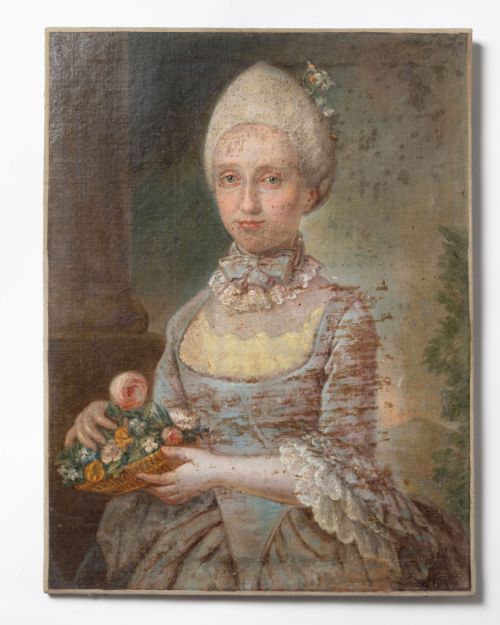
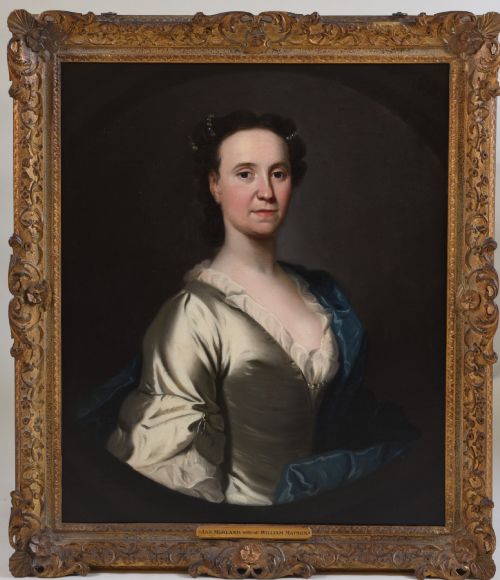
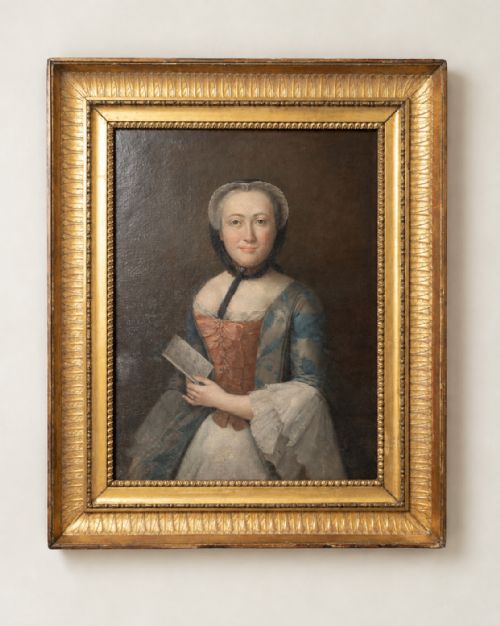
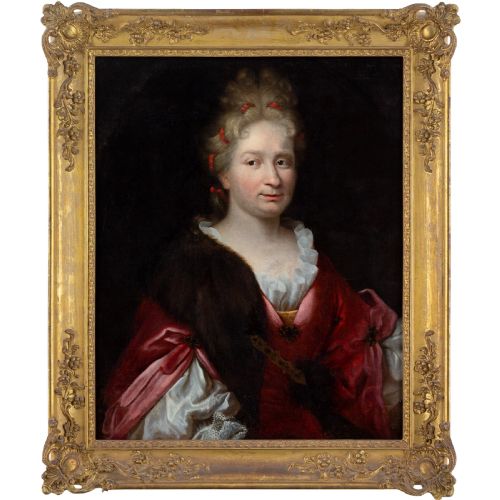
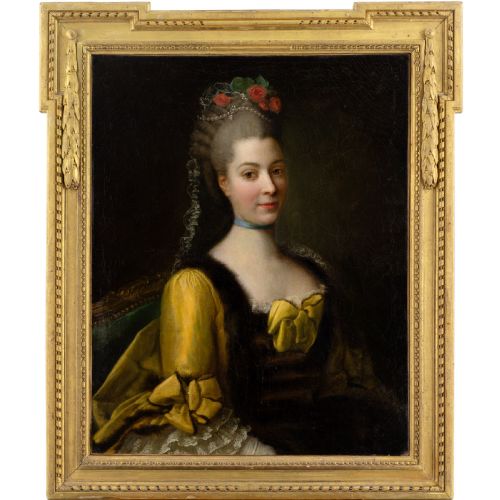
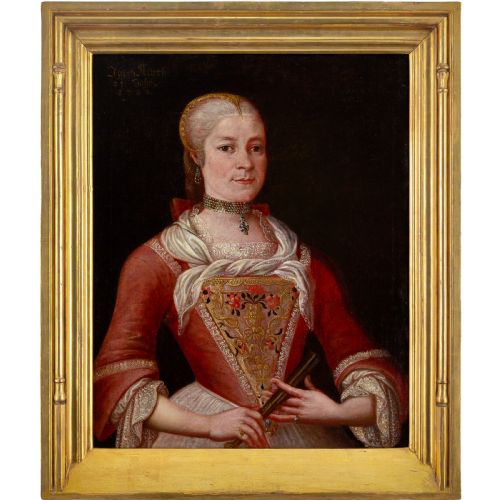
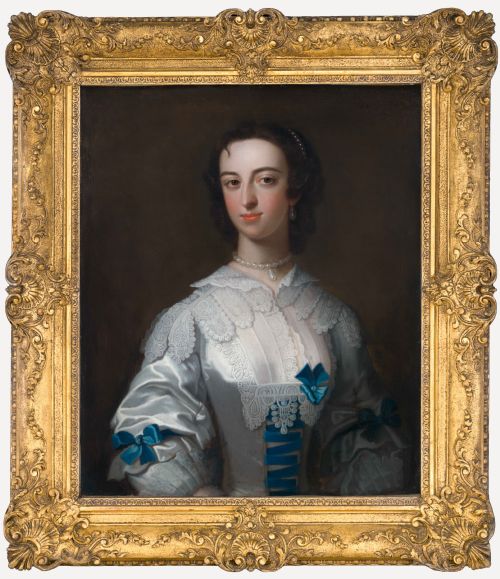
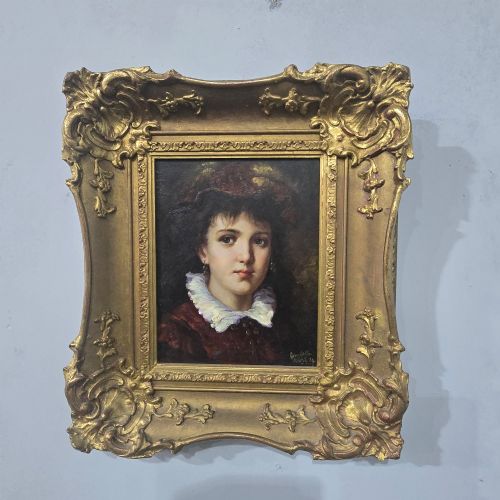
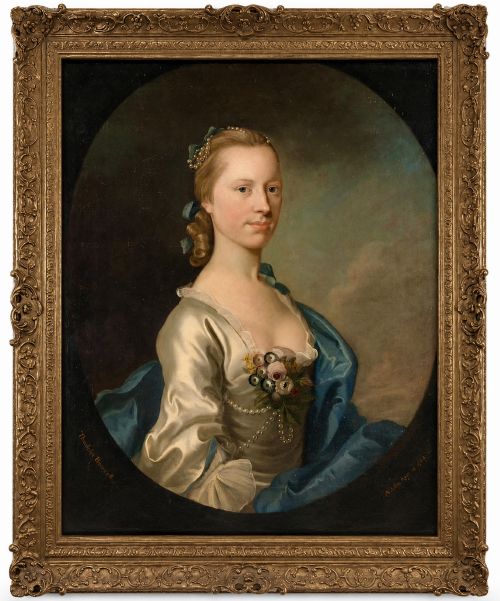
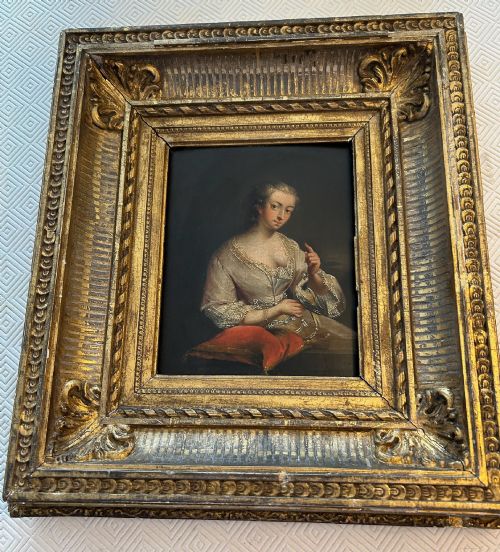
A rococo female oil painting captures the refined aesthetics of the eighteenth century, focusing primarily on portraits of aristocratic ladies, elegant women and mythological figures. These works range from authentic eighteenth-century creations by European schools to later nineteenth-century revivals and tributes.
The subjects appear in elaborate attire, such as silk dresses with ribbon bows or silver gowns with gold braided tassels, often accompanied by symbolic elements like lambs, flowers or musical instruments. Most examples on this page are oil on canvas, supplemented by occasional works on copper or board.
Originating largely from British, French, Bavarian and broader European traditions, these paintings vary from intimate studio pieces to large-scale portraits. They reflect both the direct output of period masters and the skilled hands of followers working within the prevailing stylistic conventions of the era.
How they were made
Artists built these compositions using oil paint applied to prepared canvas surfaces, occasionally utilising copper panels for smaller portraits. Pigments were layered to achieve deep folds in drapery and realistic flesh tones, while delicate brushwork defined lace cuffs, ribbons and facial expressions.
Many works remain housed in their original or period-appropriate giltwood and gilded wood frames, which complement the ornate nature of the painted subjects. The craftsmanship combines structured underdrawing with fluid oil glazes characteristic of eighteenth-century studio practice.
Rococo Female Oil Painting Retail Price Guide 2026
Typical asking prices for rococo female oil painting among the pieces listed under this phrase on Sellingantiques today, from the lower quarter to the upper quarter. They describe what is for sale here now, not the wider market.
Listings feature oil on canvas and copper supports framed in giltwood from the eighteenth and nineteenth centuries.
What varies in quality
The distinction between an average studio output and a superior portrait lies in the anatomical precision of the hands and face, alongside the vitality captured in the sitter's expression. Master works display subtle handling of light across silk and velvet fabrics, whereas lesser pieces rely on formulaic drapery and stiff postures.
Attribution and provenance heavily influence distinction, with pieces linked directly to documented portraitists commanding greater interest than anonymous school works. The preservation of the original paint surface and the integrity of the ground layer also determine the enduring visual strength of the painting.
Sir Allan Ramsay·Jeremiah Davison·Henry Pickering·Jean-Baptiste Greuze·Jean-Baptiste van Loo·Nicolas Fouche·Pierre Gobert·Jean-Marc Nattier·Paul Schier·William Edward Frost·Balthasar Denner·Nathaniel Hone·Arthur Pond·Fra Galgario·Philip Mercier·Joseph Highmore
The Rococo Female Oil Painting Glossary
- Rococo
- An artistic style originating in France characterised by ornate curves, pastel colours, and playful or theatrical themes. It heavily influenced European portraiture during the mid-eighteenth century.
- Oil on Canvas
- A traditional painting technique where pigments bound in drying oils are applied to stretched fabric. This method allows for rich blending and textured application.
- Giltwood
- Wood that has been coated with a thin layer of gold leaf or powder. It is commonly found on ornate antique frames housing fine art portraits.
- Attributed to
- A term used by specialists when a work is not signed but stylistic evidence suggests it was created by a specific artist or their immediate workshop.
- School
- A group of artists working in a particular region, period or stylistic tradition under the influence of a master. Bavarian school and French school are common designations.
Rococo Female Oil Painting: Frequently Asked Questions
What is a rococo female oil painting?
It is an artwork depicting a woman, often an aristocrat or mythological figure, created during the eighteenth-century movement or later revivals. These pieces emphasise decorative elegance and soft palettes.
Subjects wear elaborate period clothing, surrounded by ornate settings that reflect the artistic tastes of the period.
How do I date an antique oil portrait?
Dating relies on examining the costume, hairstyle, frame construction and canvas preparation. Sitters' clothing often follows precise historical fashions of the seventeen-hundreds.
Expert attributions and stylistic comparisons with known dated works by contemporary painters provide further chronological clarity.
Where should I hang a large oil painting?
These works suit prominent wall spaces in living rooms or studies where adequate lighting can highlight the giltwood frame and oil textures. Avoid direct sunlight to protect the pigments.
Stable indoor humidity and temperature ensure the canvas and paint layers remain preserved over time.
What does attribution to an artist mean?
Attribution indicates that while a painting lacks a signature, experts recognise the hand, technique and style of a specific painter or their active studio. This connects the piece to a documented historical figure.
It provides context regarding the quality and origin of the portrait within a specific European school.