
Rococo Brass Pendant Light
A rococo brass pendant light brings fluid, asymmetric curves and warm metal tones to an interior.
Rococo Brass Pendant Light
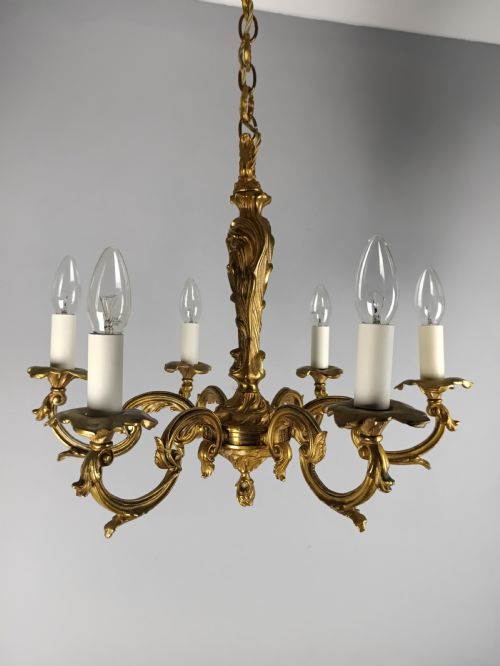
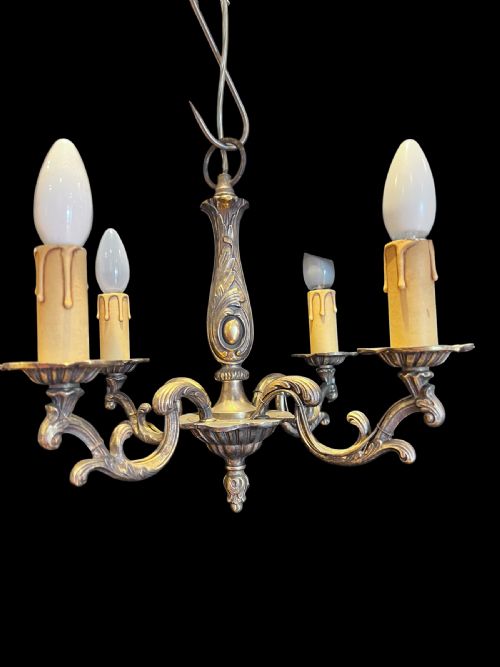
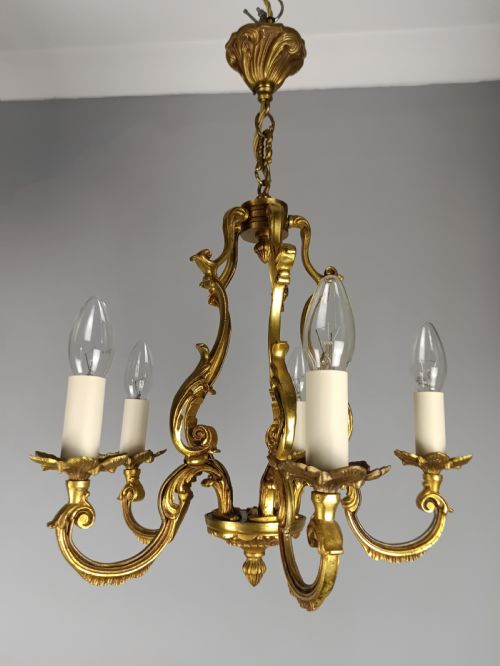
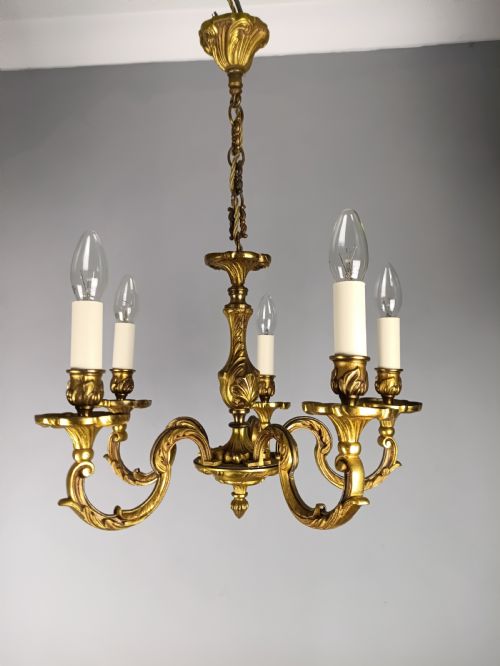
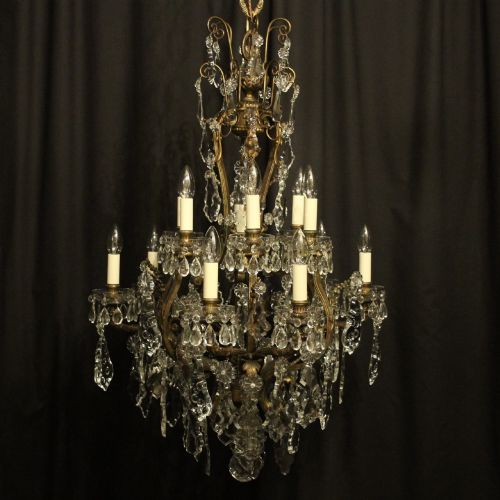
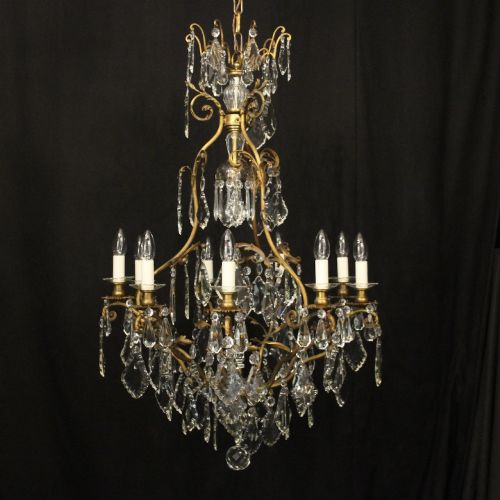
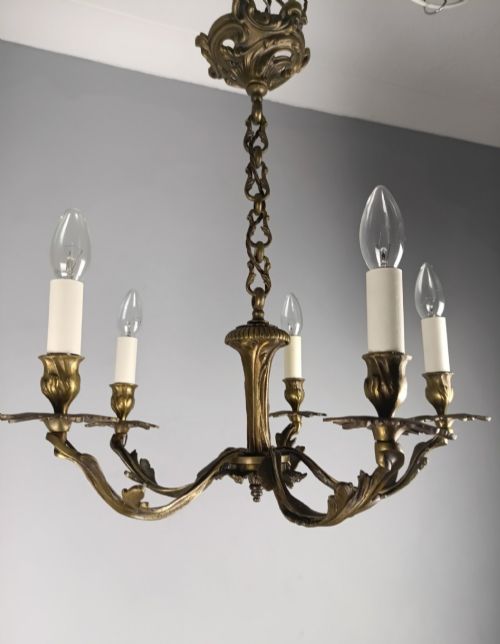
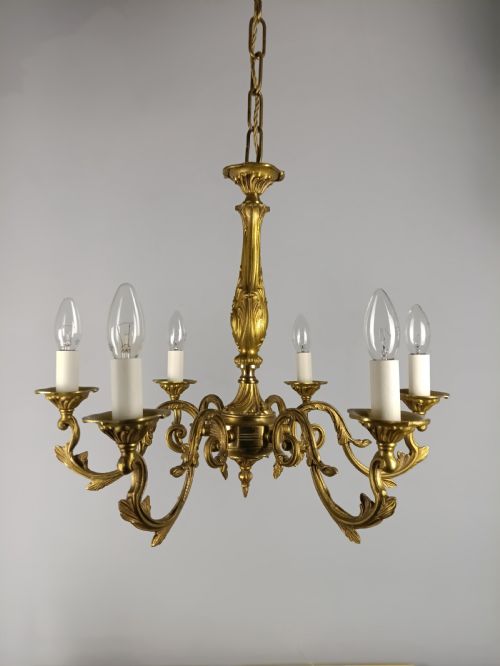
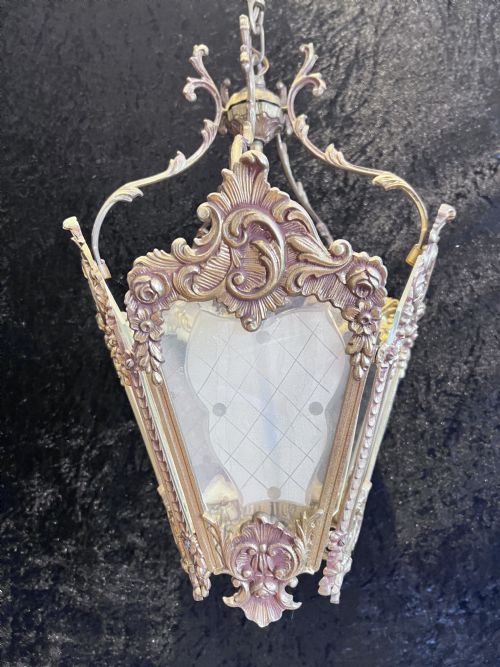
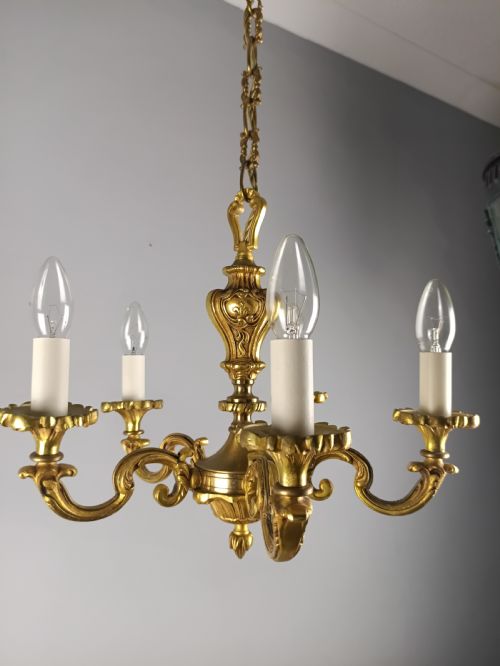
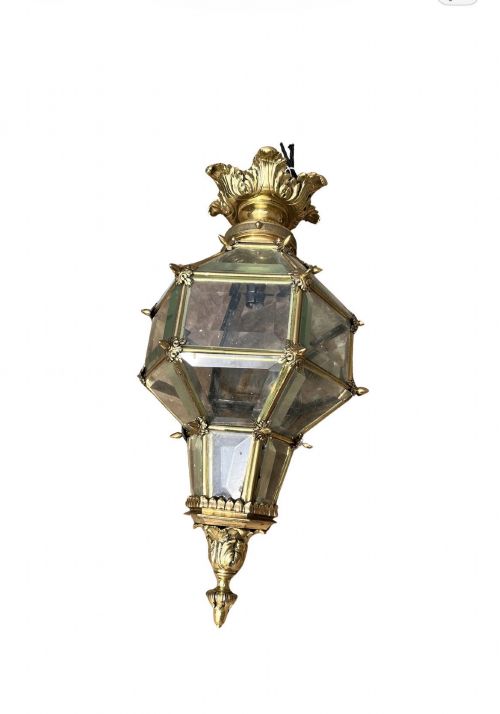
A rococo brass pendant light is a ceiling-suspended illuminating fixture rooted in ornate, scroll-heavy design traditions. When exploring this selection, buyers encounter multi-armed chandeliers, single-light hall lanterns, and birdcage forms.
The objects stem predominantly from continental European workshops, particularly French and Italian makers, spanning the nineteenth century through the 1930s. French styles and Revival interpretations dominate the available selection.
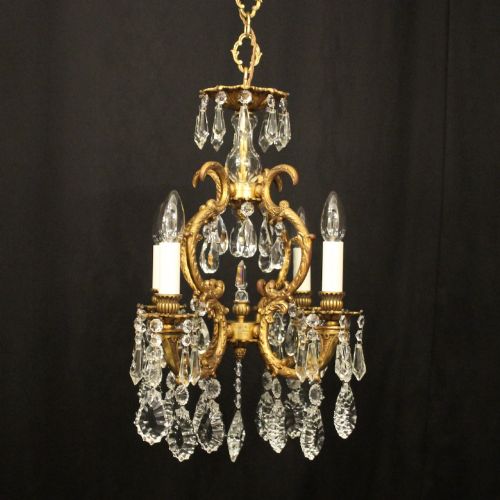
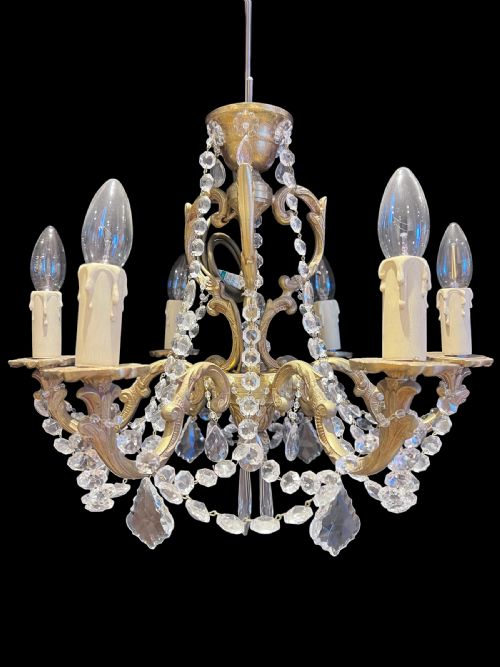
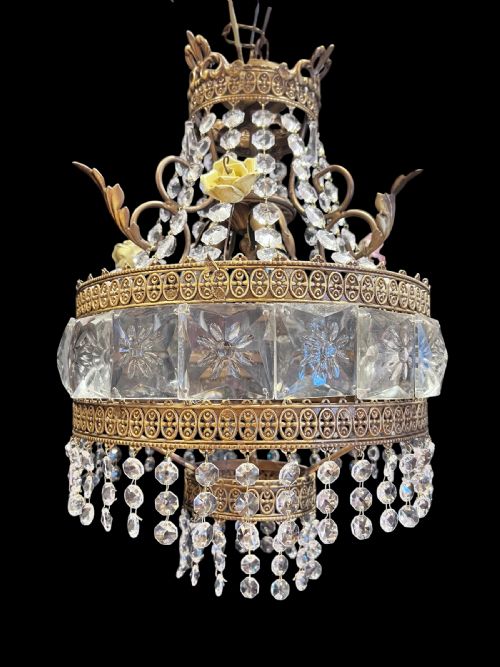
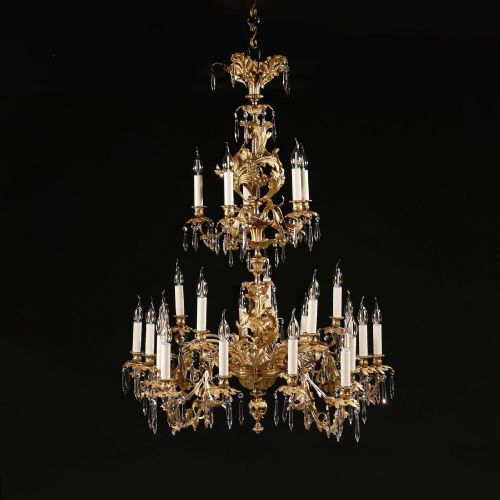
Lamps often incorporate crystal drops, porcelain flowers, or cherub arms alongside the primary metal structure. Fixtures scale from modest single-light hallway lanterns up to twenty-five-light chandeliers intended for grand spaces.
How they were made
Metalwork relies on cast and chased brass, bronze, and gilt bronze, often referred to as gilt brass or ormolu. Artisans shaped molten metal into asymmetric scrolls, acanthus leaves, and shell motifs characteristic of the style.
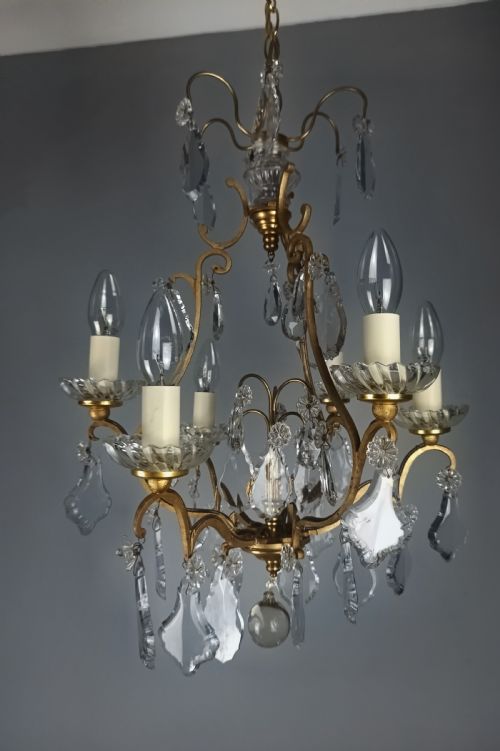
Chandeliers and lanterns frequently integrate glass and crystal components, utilising cut glass prisms, coloured crystals, and structured birdcage frames. Certain iterations combine these metal and crystal elements with delicate porcelain floral details.
The listings span from the late nineteenth century through the 1930s, featuring brass, bronze, crystal, and glass.
What varies in quality
Quality depends heavily on the crispness of the metal casting and the depth of the subsequent chasing work. Finer examples display sharp, hand-finished detailing in the foliage and scrollwork rather than soft, uniform factory edges.
The grade of the suspended components also dictates the overall standard. High-tier pieces employ hand-cut crystal prisms with high refractive brilliance and substantial cast bronze or brass armatures rather than lighter, pressed sheet metal.
The Rococo Brass Pendant Light Glossary
- Rococo Revival
- A nineteenth-century artistic movement that resurrected the flowing, asymmetric ornamentation of the eighteenth-century French court. It favours C-scrolls, natural motifs, and theatrical forms.
- Gilt Bronze
- Bronze metal that has been coated with a thin layer of gold or gold-coloured alloy. Also known as ormolu, it provides a durable, warm metallic finish that resists tarnishing.
- Birdcage Chandelier
- A lighting form constructed with a skeletal metal frame resembling a birdcage, heavily draped in crystal garlands and pendants. The vertical structure supports multiple internal or peripheral candle arms.
- Hall Lantern
- An enclosed pendant light designed primarily for corridors, entranceways, and stairwells. These fixtures typically feature glazed glass panels held within a decorative brass or bronze frame.
Rococo Brass Pendant Light: Frequently Asked Questions
How do I hang a heavy brass chandelier?
Suspension requires securing the fixture directly into ceiling joists or structural noggin pieces using rated hardware. Professional electrical and structural installation ensures the weight of the metal and crystal is safely supported.
Ceiling height dictates the drop length of the pendant. Hallways and standard rooms benefit from shorter chains, while high ceilings allow the chandelier to hang as a central room focal point.
How do I clean antique brass and crystal?
Dust metal components gently with a dry microfibre cloth to preserve existing patination. Avoid abrasive metal cleaners that strip gilding from bronze and brass surfaces.
Crystal drops and pendants detach for careful washing in warm soapy water. Rinsing and drying them thoroughly before reattachment restores their sparkle.
Are these lights wired for modern electricity?
Many surviving fixtures have been rewired for contemporary electrical standards during their lifespan. Buyers should inspect the internal wiring and consult an electrician to verify safety compliance.
Edison-style LED bulbs replicate the warm glow of historical candle illumination while producing minimal heat. This protects fragile crystal and historic metal fittings from thermal stress.
How do I distinguish French styles from Italian pieces?
French lighting from this category often emphasises architectural restraint, crisply cast gilt bronze, and structured birdcage crystal arrangements. The focus remains on balanced asymmetry and formal elegance.
Italian iterations frequently introduce playful, organic elements such as porcelain flowers or distinct polychrome glass accents. Their aesthetic tends toward vibrant decoration and whimsical figurative details.