



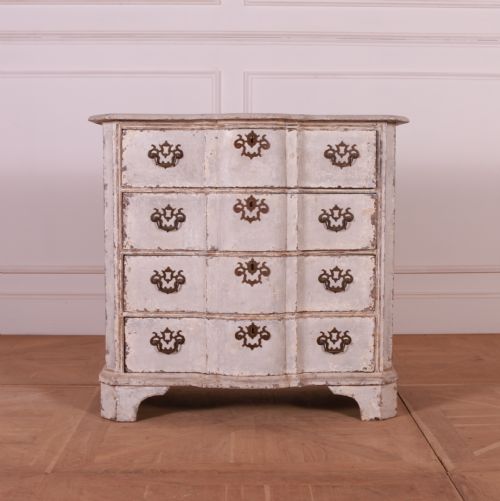


Rococo Brass Handles
These rococo brass handles bring flowing asymmetrical curves and detailed casting to period furniture, offering tactile elegance for your home.
Rococo Brass Handles
When you hunt for rococo brass handles, you encounter period furniture hardware fitted to 18th century and 19th century chests of drawers, commodes, and desks. These mounts and pulls transform functional storage pieces into decorative focal points through their organic scrollwork and asymmetrical design.
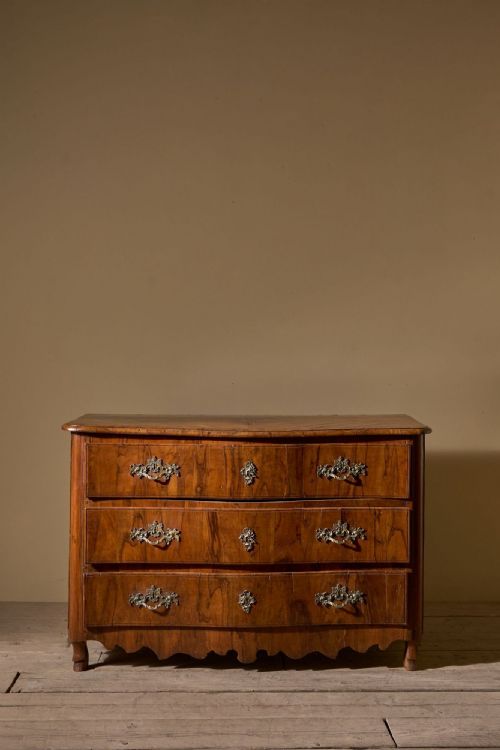
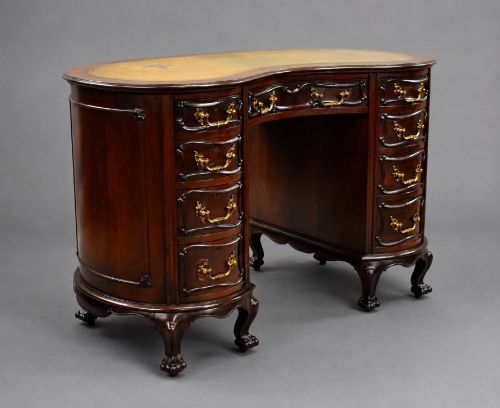
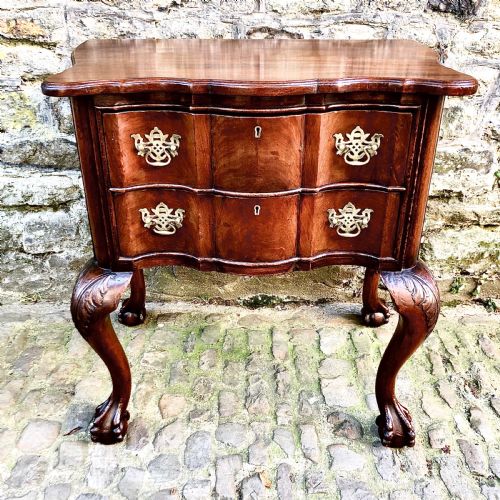
The versions you meet most often on this page appear on continental pieces, particularly Dutch, French provincial, and Portuguese commodes, alongside Georgian and Victorian items. They complement woods like mahogany, walnut, oak, and olivewood.
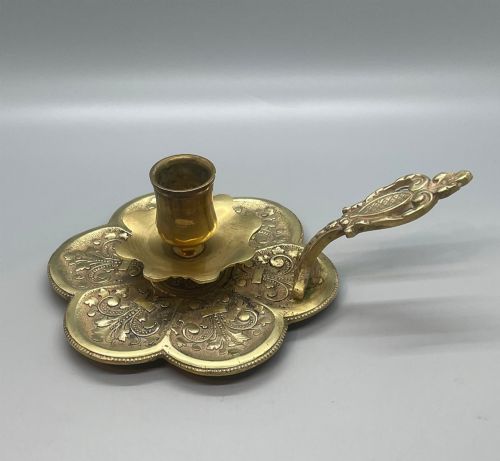
Alongside furniture, the selection includes related items such as brass candleholders that share the same period aesthetic. Each piece displays the distinct stylistic markers of revival movements and original Georgian or Louis XV craftsmanship.
How they were made
Makers shaped these brass mounts using sand casting techniques, pouring molten alloy into bespoke moulds to achieve the characteristic fluid contours and pierced designs. Artisans then refined the surface details by hand using chisels and files to sharpen the asymmetric motifs.
Cabinet makers attached these handles using threaded posts or pins secured through the timber drawer fronts of mahogany, walnut, and oak carcases. The durability of the cast brass ensured these fittings survived centuries of daily use while retaining their decorative crispness.
Rococo Brass Handles Retail Price Guide 2026
Typical asking prices for rococo brass handles among the pieces listed under this phrase on Sellingantiques today, from the lower quarter to the upper quarter. They describe what is for sale here now, not the wider market.
Listings feature brass hardware paired with primary woods including mahogany, walnut, oak, and olivewood across various continental and British origins.
What varies in quality
The distinction between standard hardware and finer examples lies in the crispness of the chasing and the depth of the casting. Superior handles exhibit sharp undercut foliage and deliberate asymmetry, whereas lesser pieces appear soft and uniform.
Integration with the furniture also dictates quality, as original mounts tailored precisely to the drawer proportions display superior harmony compared to later replacements. The quality of the surrounding timber, whether figured mahogany or olivewood, often matches the calibre of the brasswork.
The Rococo Brass Handles Glossary
- Rococo
- An 18th century style characterised by asymmetry, scrollwork, and naturalistic motifs. It influences both the furniture forms and the brass handles mounted upon them.
- Commode
- A decorative chest of drawers originating in France. They frequently feature serpentine fronts and elaborate brass hardware.
- Bombe
- A swollen or bulging furniture shape common in Dutch and continental pieces. This form provides a dramatic surface for large rococo mounts.
- Chasing
- The art of finishing and detailing metalwork by hand using small punches and hammers. This technique brings crispness to cast brass handles.
- Serpentine
- A furniture front shape curving outward in the centre and inward at the sides. It creates a dynamic interplay with fitted brass pulls.
Rococo Brass Handles: Frequently Asked Questions
Are these handles original to the furniture?
Many period chests and commodes retain their original brass hardware, though replacements were common during long centuries of use. Examining the mounting holes and patina helps determine the age relationship between the wood and the metal.
Matching the casting style and wear patterns to the period of the carcase provides further indication of originality. Dealers note these details to help buyers understand the history of each piece.
How do I care for antique brass?
Antique brass requires minimal intervention to preserve its aged surface and historical character. Gentle dusting with a soft cloth removes daily debris without disturbing the stable oxidation.
Avoid harsh commercial polishes that strip away the dark recessed areas and historical patina. Keeping the metal away from excessive moisture ensures the brass remains stable over time.
What periods do these pieces span?
The items featuring these mounts span from the 18th century through the Victorian era. Georgian and Louis XV periods established the primary design vocabulary.
Later 19th century revival pieces recreated these historic forms using traditional casting methods. This continuity of style makes specific dating dependent on the construction of the underlying furniture.
How do I identify rococo style?
Rococo design breaks away from strict symmetry in favour of C-scrolls, S-scrolls, and organic plant forms. You see this fluid movement reflected in both the wooden carcases and the pierced brass handles.
Continental pieces from France, the Netherlands, and Portugal often display the most dramatic expressions of this aesthetic. The style prioritises visual lightness and decorative exuberance over rigid geometry.