

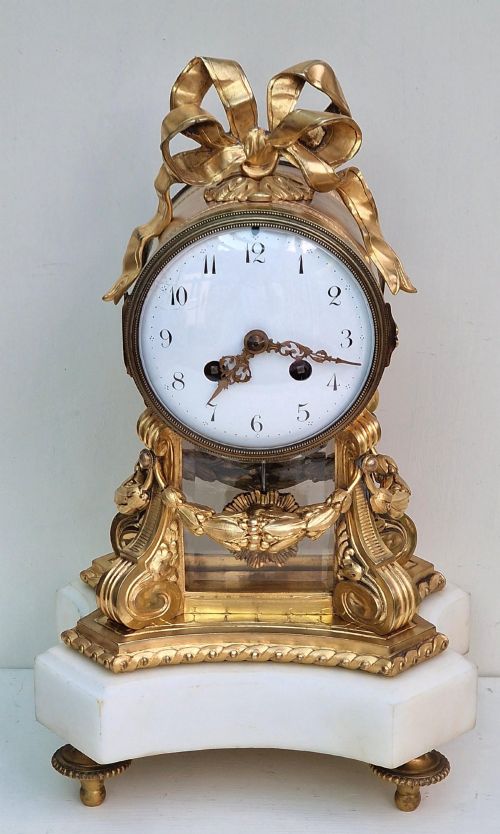
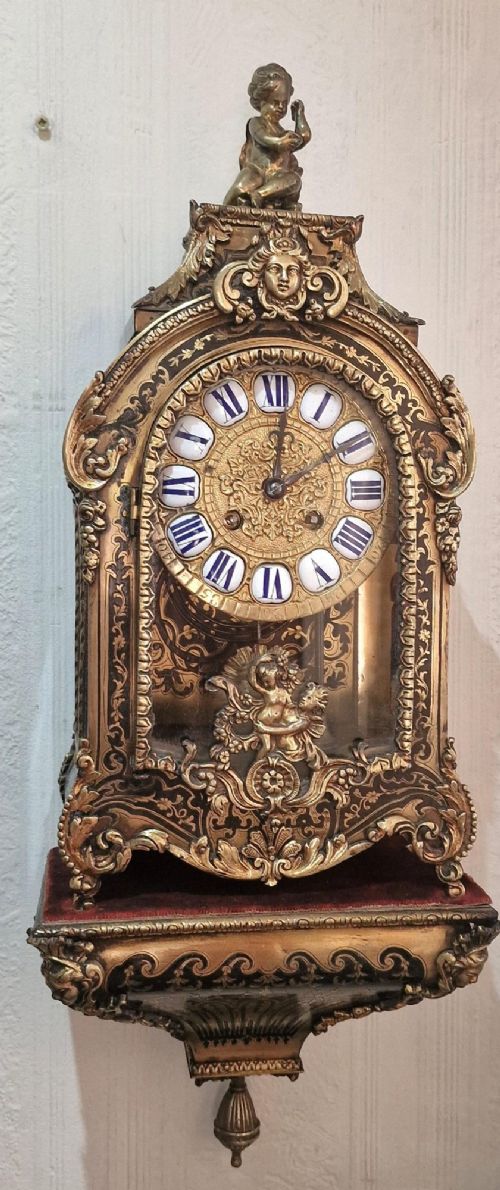
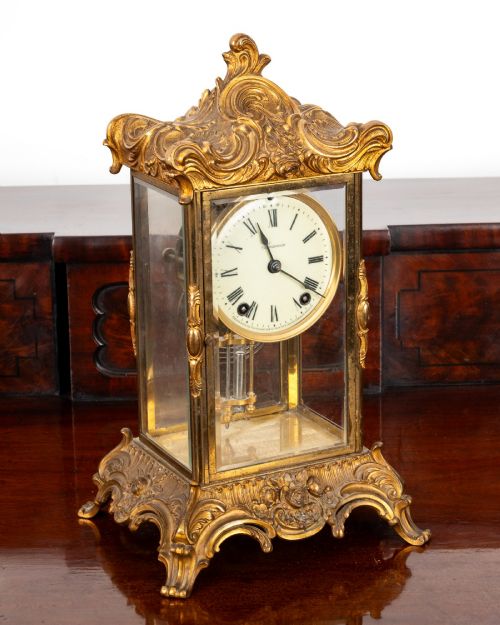
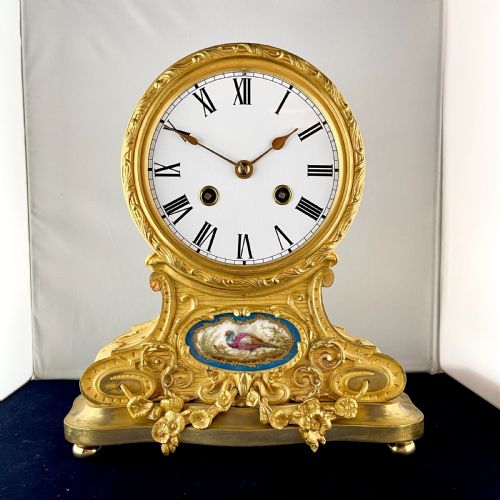


Rococo Brass Clock
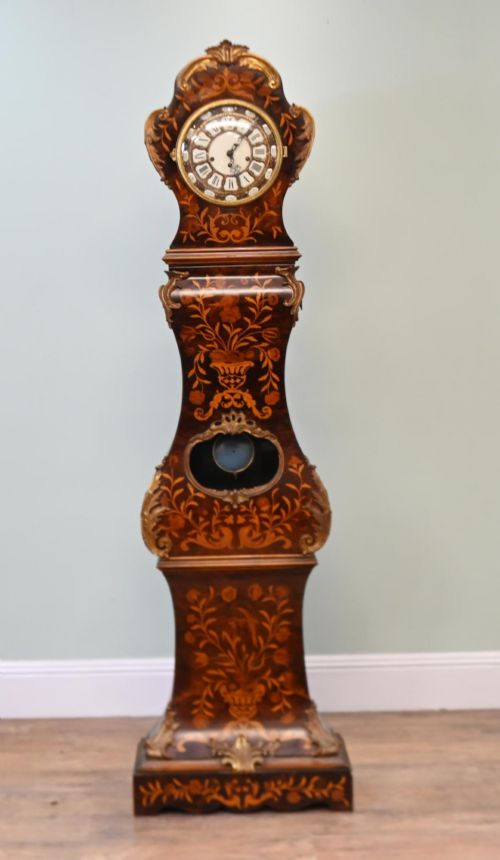
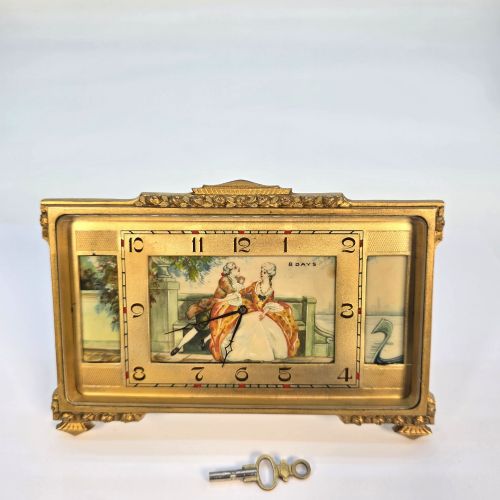
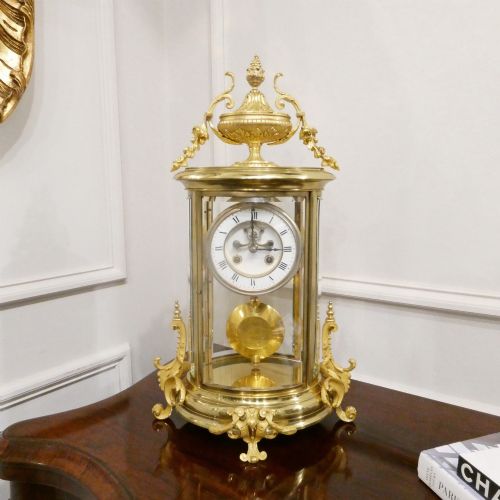
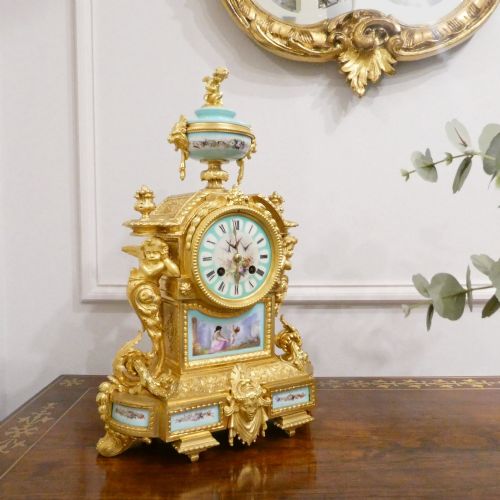
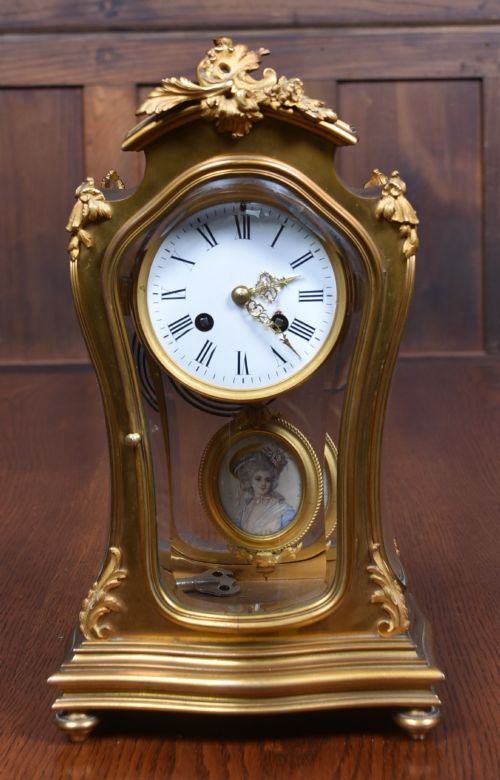
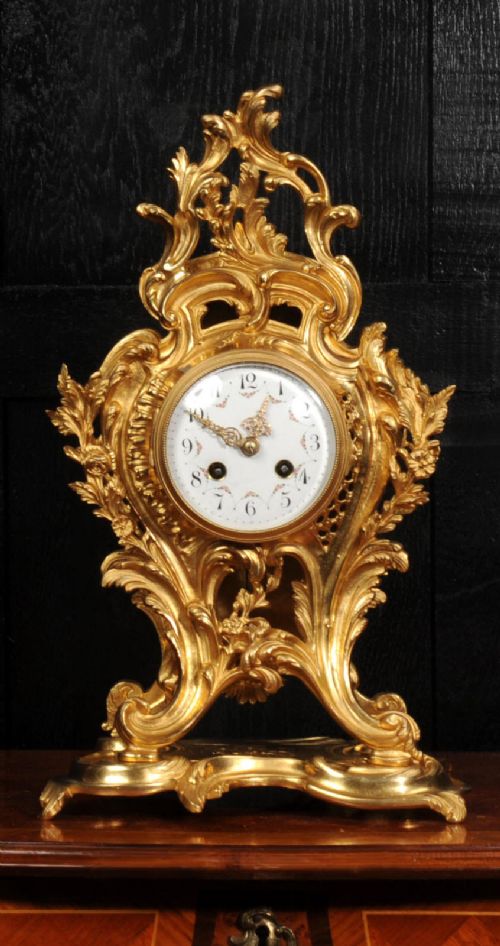
When you handle a rococo brass clock, you find heavy gilt cases cast with scrolls, flowers and asymmetry from the nineteenth century.
Rococo Brass Clock
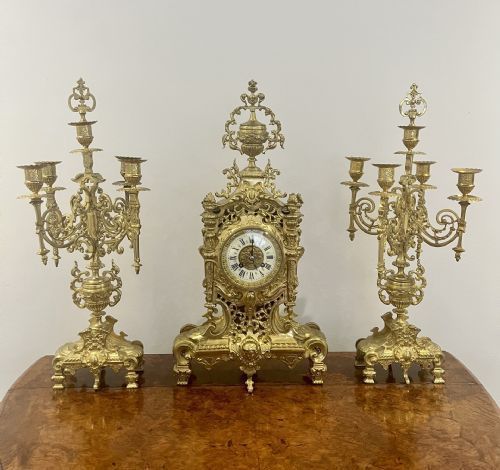
A rococo brass clock combines heavy cast metal cases with intricate scrollwork, asymmetrical lines and floral motifs derived from the eighteenth-century movement. The pieces found here span mantel clocks, large clock garnitures with matching candelabras, and wall-hung cartel clocks from the nineteenth century.
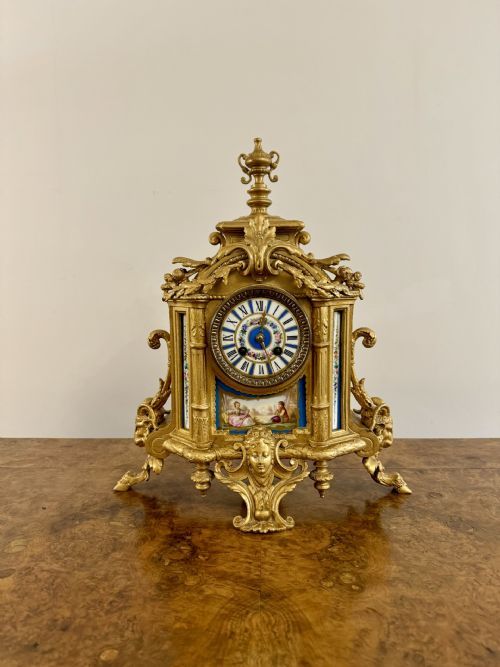
French makers dominate the selection, producing ornate gilt brass and ormolu designs often influenced by Louis XV styles. You also encounter English Regency fusee movements alongside Victorian interpretations featuring champleve enamel and porcelain panels.
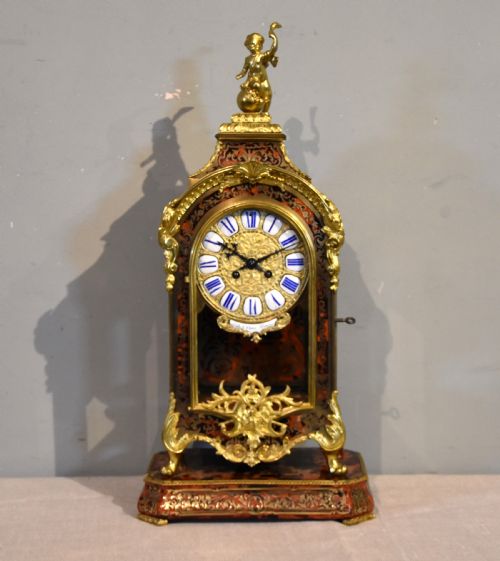
Most examples rely on mechanical movements housed within elaborate brass or gilt bronze housings, occasionally paired with glass panels or tortoiseshell veneer. These timepieces served as grand mantel ornaments in formal parlours and drawing rooms.
Materials and Construction
Foundry workers cast brass, bronze, and ormolu into complex, fluid shapes before applying fire-gilding or hand-chasing the metal surfaces. Cases frequently incorporate inset enamel dials, painted porcelain plaques, and glass viewing panels to expose the brass mechanisms within.
Cabinetmakers constructed specialised wooden carcasses for boulle pieces, applying tortoiseshell and brass marquetry known as contre-partie and ensuite. Clockmakers fitted these enclosures with spring-driven or twin fusee movements, often signing the brass backplates upon completion.
Rococo Brass Clock Retail Price Guide 2026
Typical asking prices for rococo brass clock among the pieces listed under this phrase on Sellingantiques today, from the lower quarter to the upper quarter. They describe what is for sale here now, not the wider market.
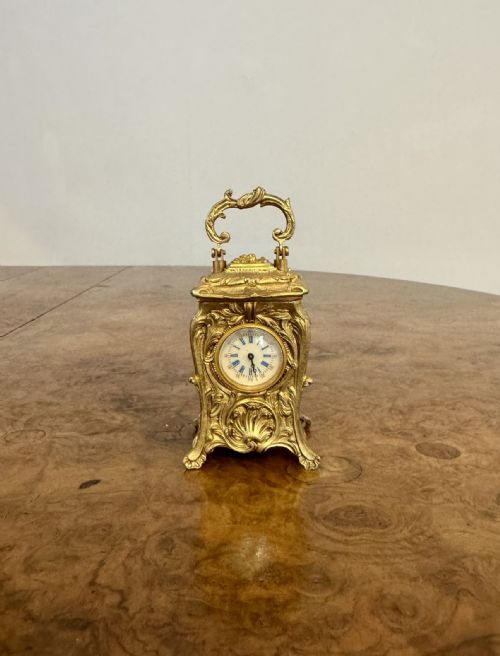
Some miniature carriage clocks were built small enough to travel inside velvet-lined leather cases during long Victorian journeys.
Markers of Quality
The definition and depth of the chased metalwork separate superior rococo brass clocks from simpler productions. Crisp casting retains sharp edges on floral scrolls and asymmetry, whereas worn moulds yield soft, muddy details.
Signed movements by renowned makers add considerable substance, particularly when paired with matching serial numbers on the movement and pendulum. The inclusion of delicate hand-painted porcelain panels or intact champleve enamel further distinguishes the top tier of timepieces.
Samuel Marti·Delettrez·Viner London·William Payne·John Barwise·Henri Marc·Japy Freres·Vincenti et Cie·A D Mougin
The Rococo Brass Clock Glossary
- Ormolu
- Gilt bronze produced by applying a mercury and gold amalgam to a bronze base and firing it in a kiln. This historic technique creates a rich, lasting golden surface distinct from modern electroplating.
- Fusee
- A conical pulley inside a clock movement designed to maintain even tension on the chain as the mainspring unwinds. This mechanism improves timekeeping accuracy across the power reserve.
- Cartel clock
- A wall-mounted clock housed in an ornate frame matching the material of the movement enclosure. These pieces hang directly on interior walls rather than resting on mantelpieces.
- Garniture
- A matching set consisting of a central clock flanked by decorative accessories such as candelabras or vases. Such arrangements created a balanced display on nineteenth-century mantelpieces.
- Champleve
- An enamelling technique where troughs are dug into a metal surface, filled with vitreous enamel powder, and fired. The resulting coloured patterns sit flush with the surrounding brass or bronze borders.
Rococo Brass Clock: Frequently Asked Questions
How do I wind a mechanical mantel clock?
Use the appropriate winding key on the arbours located on the dial face, turning gently until you feel resistance.
Avoid over-winding the mainspring to prevent damage to the internal brass gears and springs.
Why does my clock run fast or slow?
Temperature changes and settling can alter the swing of the pendulum, requiring small adjustments to the regulating nut.
Lowering the pendulum bob slows the beat, while raising it makes the clock run faster.
What is a French clock garniture?
A clock garniture pairs a central mantel clock with matching side ornaments, typically candelabras or urns cast in the same style.
These sets were designed to create a unified decorative arrangement across a fireplace mantel.
How do I identify a Victorian revival piece?
Nineteenth-century revival clocks adopt the flowing scrolls and asymmetry of earlier Louis XV designs but utilise heavier casting techniques.
Maker signatures on the brass backplate and nineteenth-century serial numbers help confirm the production era.