





Rococo Bench
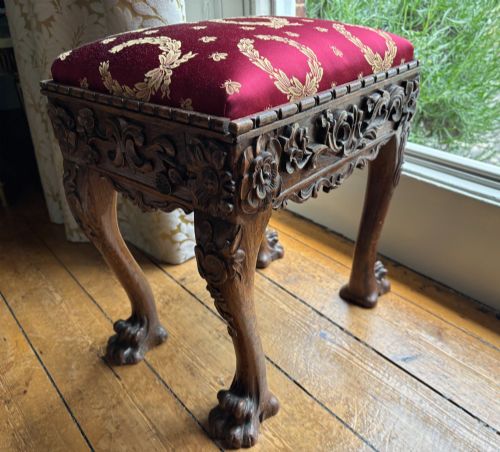
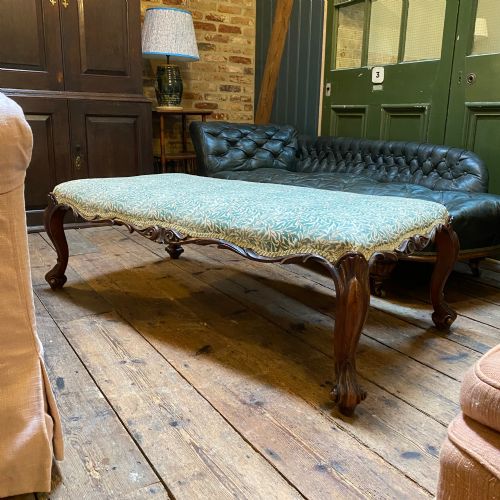
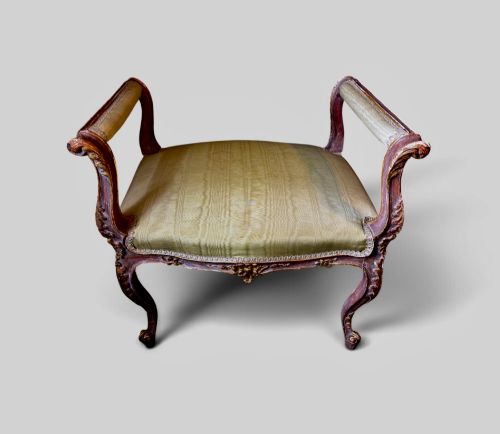
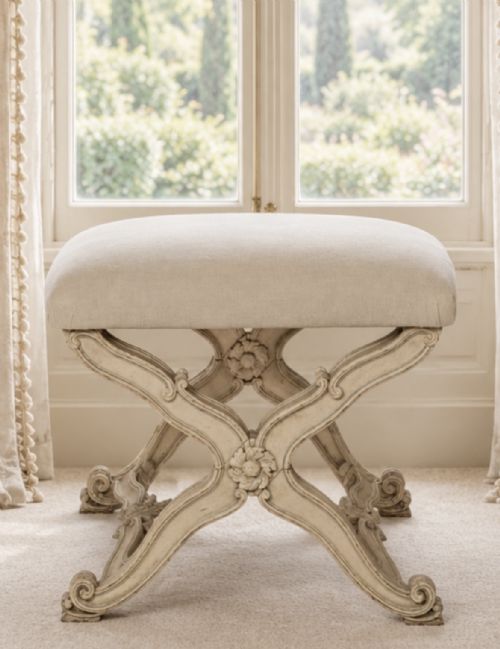
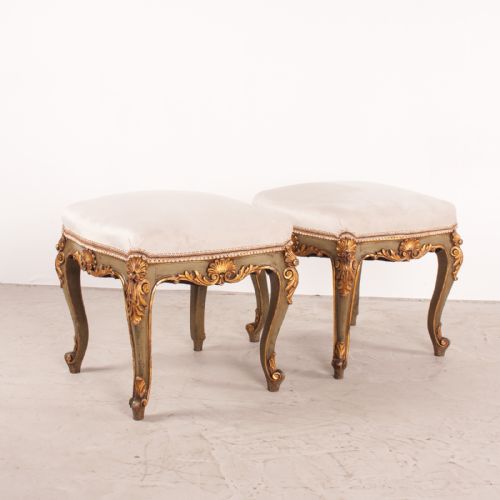
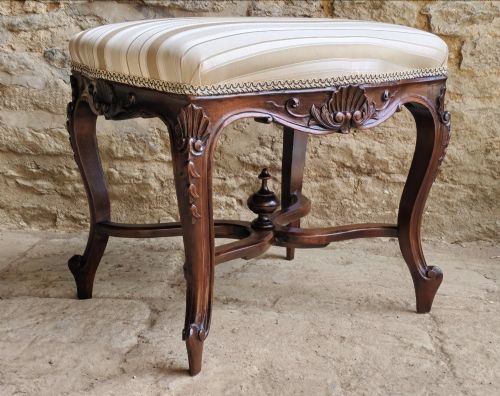
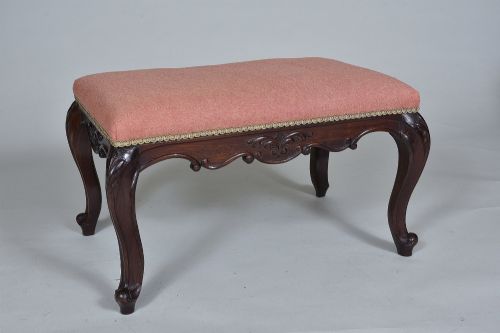
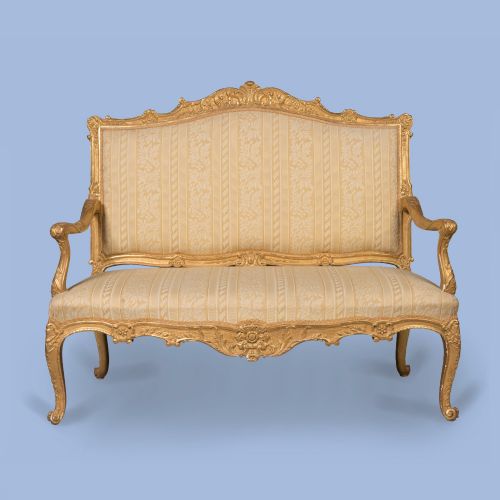
A rococo bench brings serpentine curves and elaborate carving to an interior, often taking the form of a giltwood canapé or walnut stool.
Rococo Bench
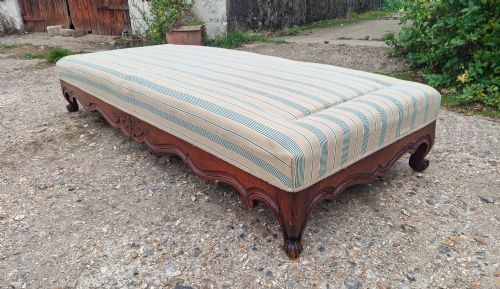
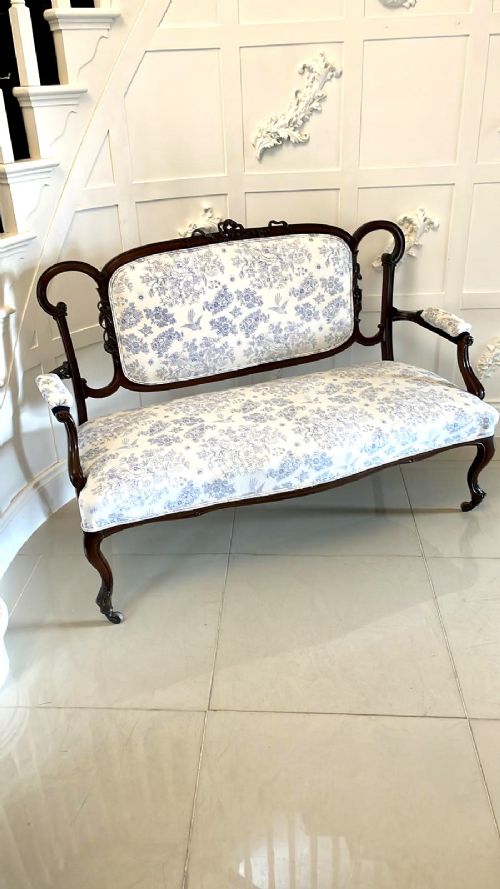
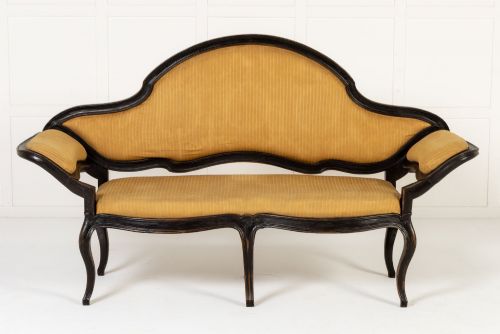
A rococo bench encompasses seating forms such as settees, sofas, canapés, window seats, and stools created in the curvilinear style. The pieces listed span from the eighteenth century through the nineteenth and twentieth centuries, reflecting later revivals alongside period examples.
Buyers will encounter various regional interpretations, including French Louis XV styles, Italian pieces, and English Victorian adaptations. These items serve multiple domestic functions, functioning as salon seating, boudoir love seats, and long hallway benches.
Materials and construction
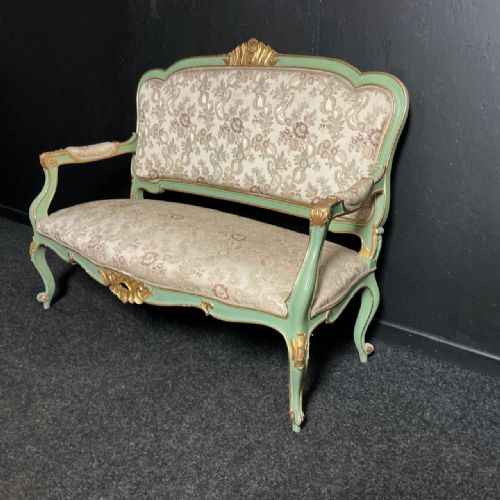
Carpenters shaped frames from hardwoods such as walnut, mahogany, and rosewood, alongside softer timbers designated for painted or gilded finishes. Giltwood, painted wood, and parcel gilt surfaces frequently define the formal French and Italian pieces.
Upholstery forms an essential component, utilising textiles, silk, and cane inserts set within carved wooden rails. Cabriole legs and asymmetrical foliage motifs are carved directly into the structural timber of the frame.
Rococo Bench Retail Price Guide 2026
Typical asking prices for rococo bench among the pieces listed under this phrase on Sellingantiques today, from the lower quarter to the upper quarter. They describe what is for sale here now, not the wider market.
Listings feature items spanning from the eighteenth century to the mid-twentieth century, encompassing both walnut and mahogany frames.
Distinctions in quality
Quality rests upon the crispness and depth of the hand carving on the wooden frames, where deep relief work separates finer examples from simpler production. The choice of primary timber and the execution of the gilding or painted finish further determine the distinction between standard and superior pieces.
Proportion and structural integrity dictate the standing of a piece, particularly in how gracefully the cabriole legs support the serpentine seat rail. The quality of the upholstery work and the preservation of original cane or wood surfaces contribute to the overall character.
The Rococo Bench Glossary
- Giltwood
- Timber treated with a thin layer of gold leaf applied over a prepared gesso surface. This finish appears commonly on formal continental seating.
- Cabriole leg
- A furniture leg featuring a double curve, bulging outward at the knee and tapering inward toward the foot. It forms a primary structural element on these seats.
- Bergere
- An enclosed upholstered armchair or settee with solid upholstered sides. It provides a more enclosed seating position than an open arm sofa.
Rococo Bench: Frequently Asked Questions
What is a canapé?
A canapé is a decorative upholstered settee or sofa originating in France, designed with an exposed carved wooden frame. These pieces typically feature padded armrests and seats supported on cabriole legs.
Makers working in the Louis XV style utilised this form to create formal seating for salons and withdrawing rooms.
How do I identify a revival piece?
Revival pieces, such as those from the nineteenth or early twentieth century, imitate the characteristic asymmetrical curves and motifs of eighteenth-century design. Examining the timber maturity and construction methods helps clarify the actual period of manufacture.
Many examples on the market date from the Victorian era and later, adopting earlier continental aesthetics for contemporary homes.
Where should I place a window seat?
A window seat or long stool fits well beneath low windows, along hallways, or at the foot of a bed. Their slender proportions allow them to occupy circulation spaces without blocking light.
These low benches also function as occasional seating in living rooms or boudoirs alongside matching settees.
What is giltwood?
Giltwood is timber coated with gold leaf over a prepared base layer, creating a bright metallic surface. It was favoured for formal seating designed to reflect candlelight in grand interiors.
This finish appears frequently on French and Italian furniture from various centuries.