







Rococo Baroque Chairs
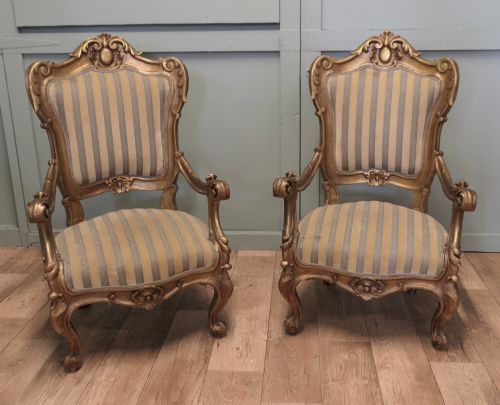
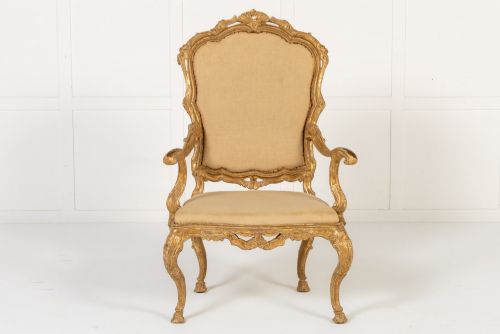
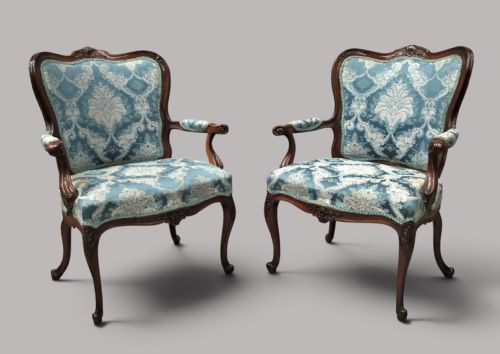
These rococo baroque chairs combine elaborate carving and sweeping lines, offering collectors a striking seating option for formal rooms.
Rococo Baroque Chairs
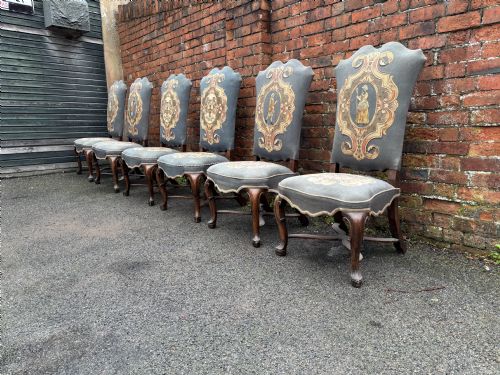
When buyers search for rococo baroque chairs, they encounter seat furniture spanning the eighteenth and nineteenth centuries, originating primarily from Italy, the Netherlands, and Portugal. These pieces include armchairs, side chairs, and dining chairs constructed during periods such as the eighteenth century and the Victorian revival.
The most common forms on this page are eighteenth-century Italian armchairs and side chairs, often featuring carved giltwood or walnut. Alongside these, buyers find Dutch, Venetian, and Portuguese examples exhibiting regional variations in scale and silhouette.
Object types range from single armchairs and pairs of side chairs to larger sets intended for dining or formal display. The selection demonstrates diverse interpretations of European stylistic movements across different centuries.
How they were made
Carpenters and joiners utilised solid timbers such as walnut, oak, fruitwood, rosewood, and giltwood to build the structural frames of these seats. Surface decoration frequently involved gesso applied beneath gilding or paint on wood.
Upholstery techniques incorporated traditional textiles including fabric, linen, and velvet to pad the seats and backs of armchairs and elbow chairs. Carved woodwork defined the exposed frames, showcasing regional craftsmanship in eighteenth-century workshops.
Rococo Baroque Chairs Retail Price Guide 2026
Typical asking prices for rococo baroque chairs among the pieces listed under this phrase on Sellingantiques today, from the lower quarter to the upper quarter. They describe what is for sale here now, not the wider market.
The listings on this site span the eighteenth century and the nineteenth century, featuring materials such as walnut, giltwood, and rosewood.
What varies in quality
The distinction between standard examples and finer pieces lies in the depth and precision of the carved woodwork on the frames. Elaborate gilding, silver gilding, and large-scale proportions separate the top of the range from simpler vernacular seating.
Material selection also dictates quality, with dense hardwoods like walnut and rosewood, alongside heavy giltwood surfaces, marking out superior construction. The preservation of original textiles and structural timber integrity further differentiates individual pieces.
The Rococo Baroque Chairs Glossary
- Giltwood
- Wood coated with a thin layer of gold leaf or powder. This finish is typical of high-status eighteenth-century seating frames.
- Gesso
- A plaster mix applied to wood surfaces to prepare them for gilding or painting. It provides a smooth base for intricate relief work.
- Armchair
- A seat with side supports for the arms. Eighteenth-century examples often feature open arms and carved frames.
- Side Chair
- A chair without arms, designed for dining or occasional use. These frequently appear in matched pairs or larger sets.
- Walnut
- A dark hardwood favoured for furniture framing during the eighteenth century. It offers strength and a rich grain.
Rococo Baroque Chairs: Frequently Asked Questions
What are rococo baroque chairs?
These pieces are seating furniture from European traditions, notably Italian, Dutch, and Portuguese workshops. They combine ornate carved decoration with functional seating forms.
Most examples date from the eighteenth century, with later nineteenth-century revival pieces also appearing. They include armchairs, side chairs, and dining chairs.
How were these chairs used?
Original owners used them in formal reception rooms, dining spaces, and parlours to display status and taste. Armchairs typically served prominent seating roles, while side chairs lined walls or surrounded dining tables.
They functioned as both practical furniture and decorative statements within elite domestic interiors.
How do I live with these chairs?
Integrating these chairs into modern spaces involves placing them as accent pieces in living rooms or studies. Their carved frames and upholstered seats add texture and historic character to a room.
Care should be taken to protect delicate giltwood surfaces and historic textiles from direct sunlight and heavy wear.
How do I tell periods apart?
Eighteenth-century pieces typically display hand-carved details, traditional joinery, and specific regional characteristics in walnut or giltwood. Nineteenth-century revival items often show heavier proportions or different finishing techniques.
Examining the underlying timber and construction methods helps clarify whether a piece is eighteenth-century or from a later revival period.