





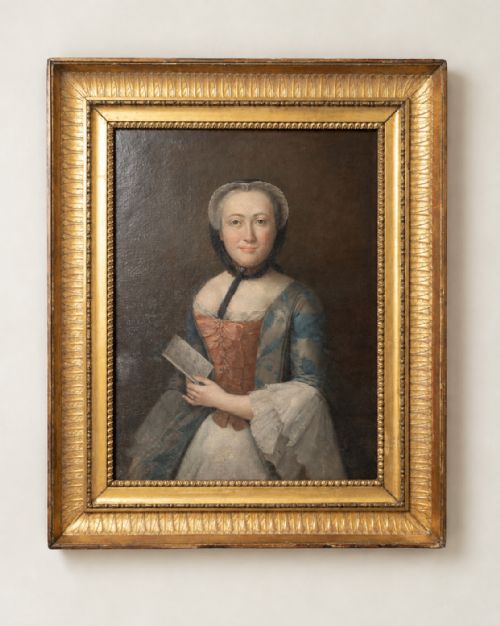

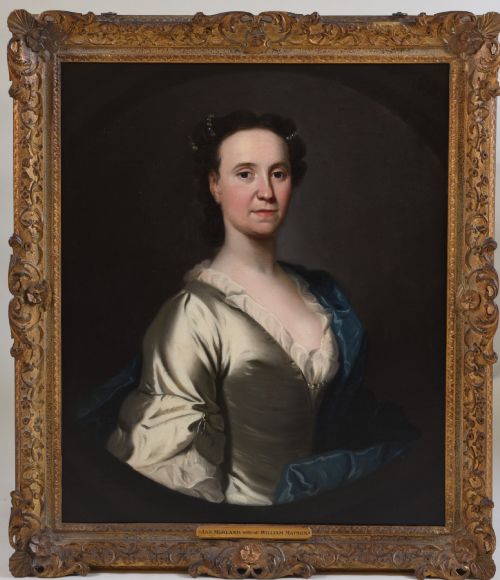
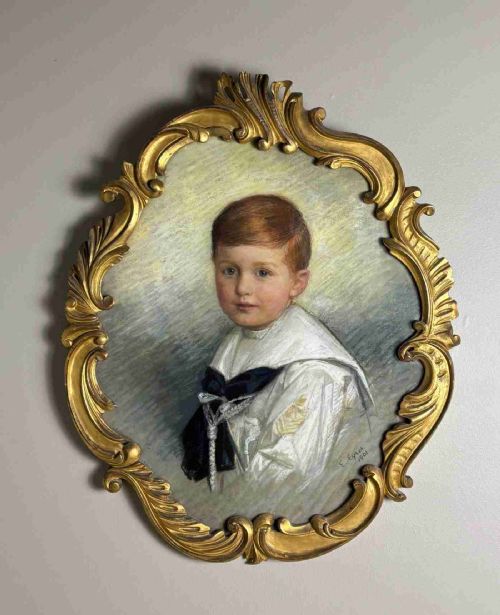
Rococo Art Frame
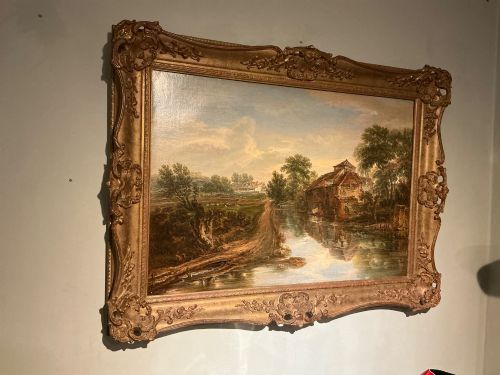
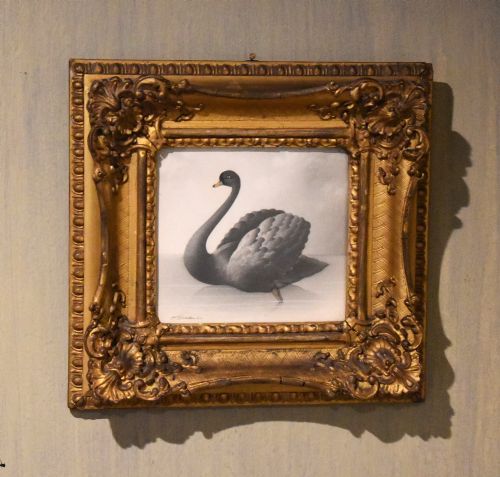
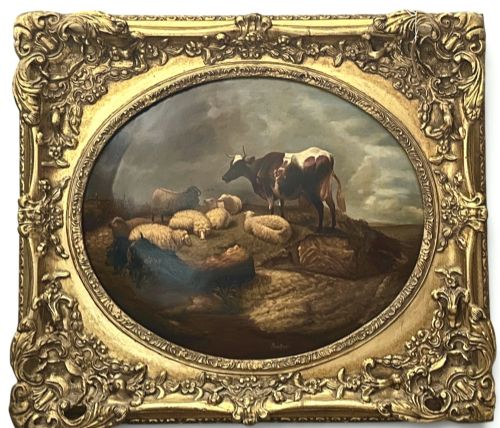
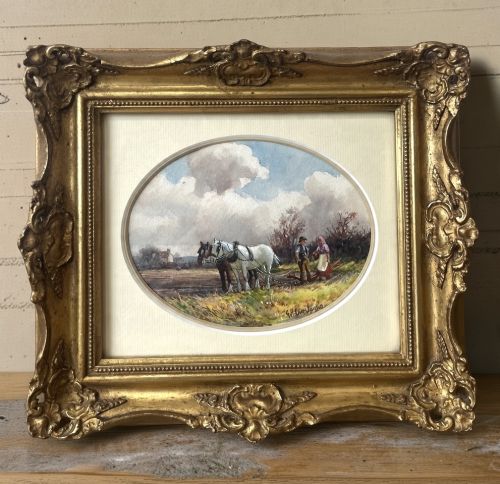
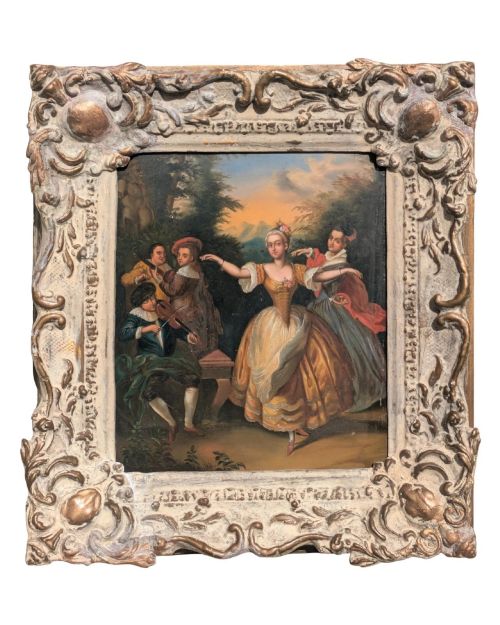
A rococo art frame frames oil paintings and portraits with elaborate scrollwork and asymmetrical carved ornament.
Rococo Art Frame
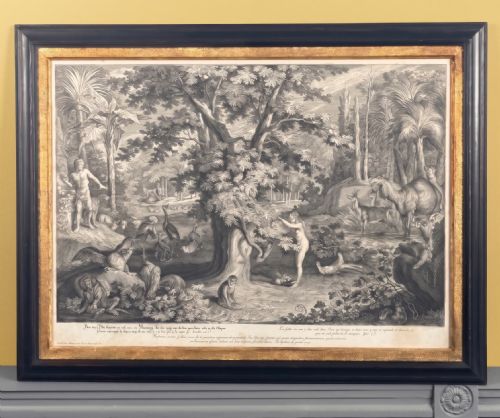
A rococo art frame surrounds oil paintings, pastels, and engravings originating from periods spanning the eighteenth century to the Victorian era. These enclosures hold portraits, historical scenes, and decorative panels created across various European schools.
The objects listed display styles such as French Rococo, Rococo Revival, and French Baroque. Buyers encounter gilded wooden borders and swept frames housing both original period works and later nineteenth-century interpretations.
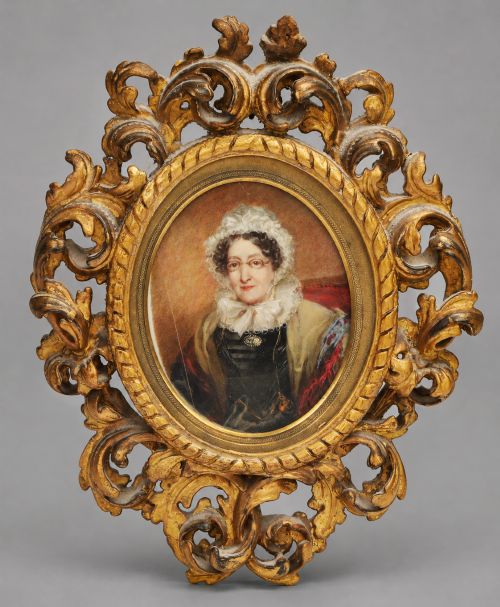
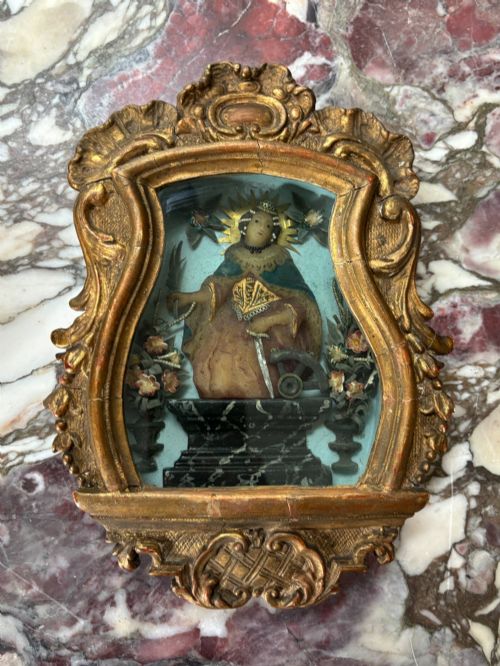
Makers and artists represented include figures from the French and Bavarian schools, alongside portrait miniatures housed in small gilded surrounds. The forms range from standard picture frames to devotional shadow boxes and overdoor panels.
How they were made
Makers utilised wood as the foundational substrate for these enclosures, shaping timber into complex, flowing profiles. Gesso was applied over the wooden base to build up the intricate relief ornament characteristic of the style.
Giltwood surfaces received thin layers of gold leaf applied over the prepared gesso and bole. Artisans carved naturalistic motifs, C-scrolls, and asymmetrical flourishes directly into the composition before gilding.
Rococo Art Frame Retail Price Guide 2026
Typical asking prices for rococo art frame among the pieces listed under this phrase on Sellingantiques today, from the lower quarter to the upper quarter. They describe what is for sale here now, not the wider market.
Several portraits stare outward wearing scarlet jackets, yellow dresses, and white silk ribbons tied in neat bows.
What varies in quality
The depth and crispness of the carved ornament distinguish finer examples from simpler production. Hand-carved wooden relief work displays sharper undercut details and more fluid asymmetry than moulded plaster alternatives.
The integrity of the original gilding surface dictates the visual character of the piece. Surviving period leaf surfaces with natural wear show greater depth than modern repaint applications.
Joseph Highmore·Benedetto Luti·Jean Baptiste Van Loo·Francois Boucher·Charles Antoine Coypel·Maurice Quentin de la Tour·Charles Spooner·Hyacinthe Colin de Vermont·Demarteau·Allan Ramsay·Jean Baptiste Greuze·Francois Andre Vincent·Johann Hamza·Dumont·Emily Eyres
The Rococo Art Frame Glossary
- Giltwood
- Wood that has been coated with gold leaf or gold powder. This surface treatment provides a reflective, metallic finish that catches ambient light.
- Gesso
- A plaster mixture applied to wood frames as a base for gilding. It allows artisans to carve intricate relief details before applying gold leaf.
- Rococo Revival
- A nineteenth-century stylistic movement that revived eighteenth-century asymmetrical scrollwork and ornate motifs. This revival style appears frequently on Victorian picture frames.
- Swept frame
- A frame moulding characterised by sweeping, undulating curves and prominent corners. This form creates a dynamic profile around oil paintings.
Rococo Art Frame: Frequently Asked Questions
How do I date a frame?
Examination of the timber, the gesso composition, and the tool marks on the reverse reveals the manufacturing period. Older pieces typically utilise hand-cut joinery and layered preparation grounds beneath the gold leaf.
Stylistic shifts also provide clues, as eighteenth-century versions tend toward lighter, crisper asymmetrical carvings while nineteenth-century revivals often appear heavier and more mechanised in their relief work.
Are these frames original to the art?
Many historical paintings and prints retain their original period surrounds, particularly when the moulding profile complements the date of the canvas. However, framing pairings frequently changed over centuries as owners updated interiors.
Matching the aesthetic and period between the artwork and the enclosing border remains common practice among collectors and dealers.
How should I hang a gilded frame?
Gilded wood structures require secure wall fixings distributed evenly across the weight of the piece, preferably anchored directly into wall studs. Heavy frames need robust brass mirror plates or steel wire rated well above the object's mass.
Placement away from direct sunlight and excessive humidity prevents the gesso foundation from drying out and cracking over time.
How do I clean giltwood?
Dusting requires only a soft, dry artist's brush or a feather duster to remove particles from deep crevices without disturbing the gold leaf. Moisture and chemical cleaning agents damage fragile water gilding and strip original patination.
Professional conservation is recommended if the surface accumulates stubborn grime or if the gesso begins to flake.