








Rockley Chair
A rockley antique chair brings solid nineteenth-century English country vernacular seating into a home, offering sturdy elm, ash and yew construction.
Rockley Chair
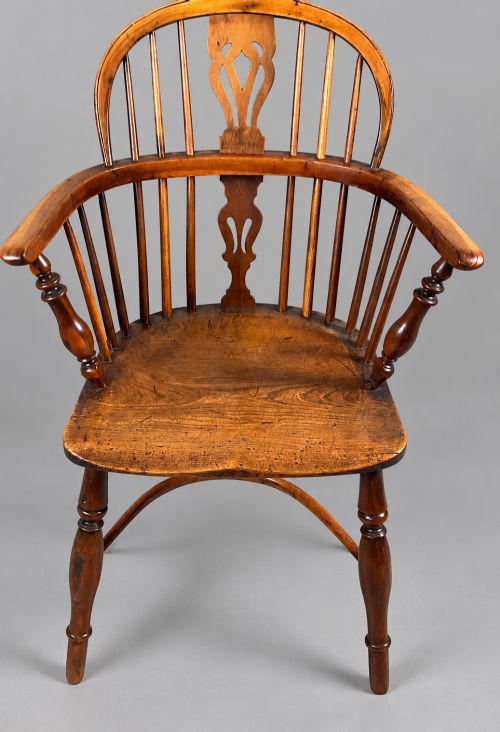
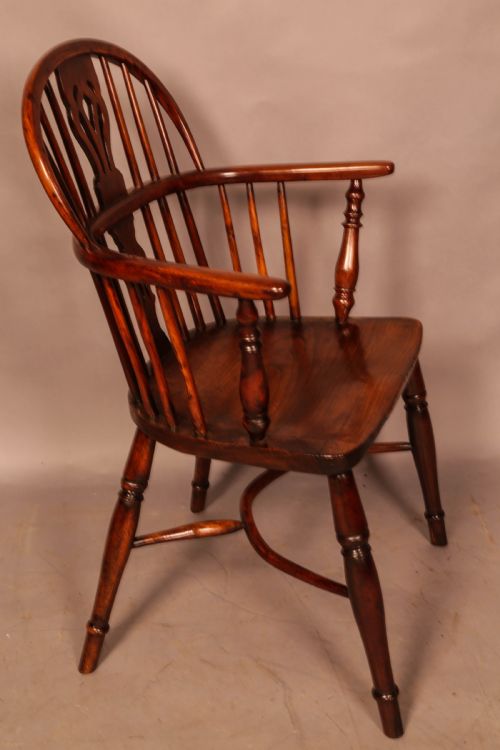
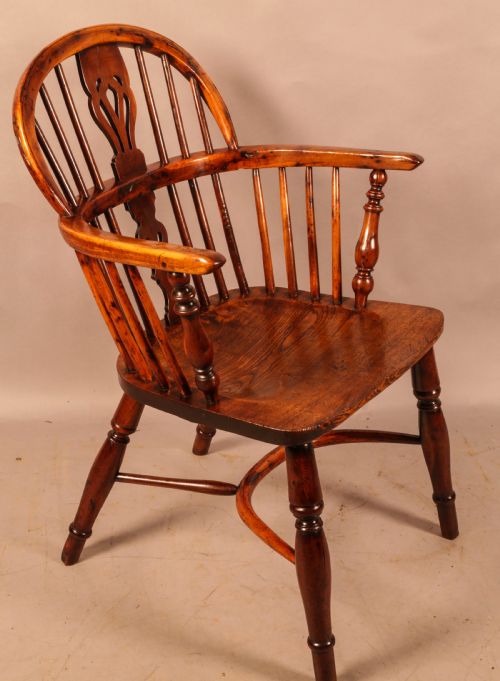
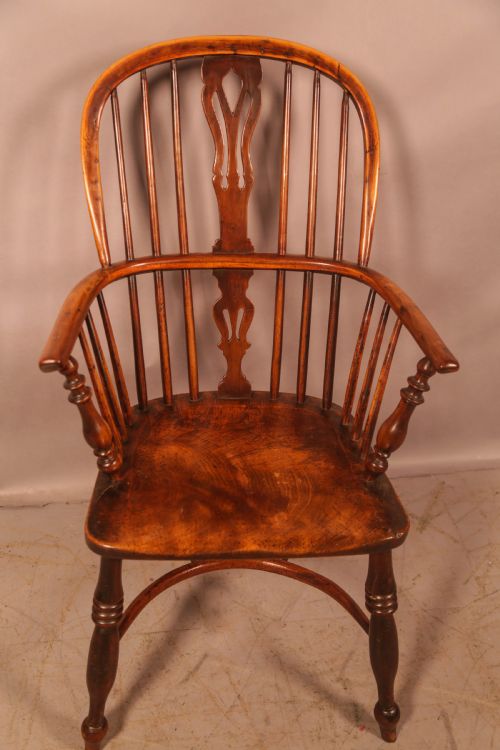
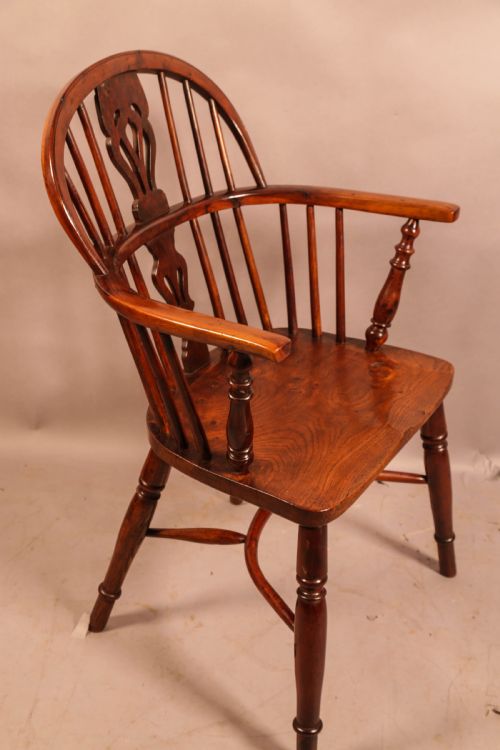
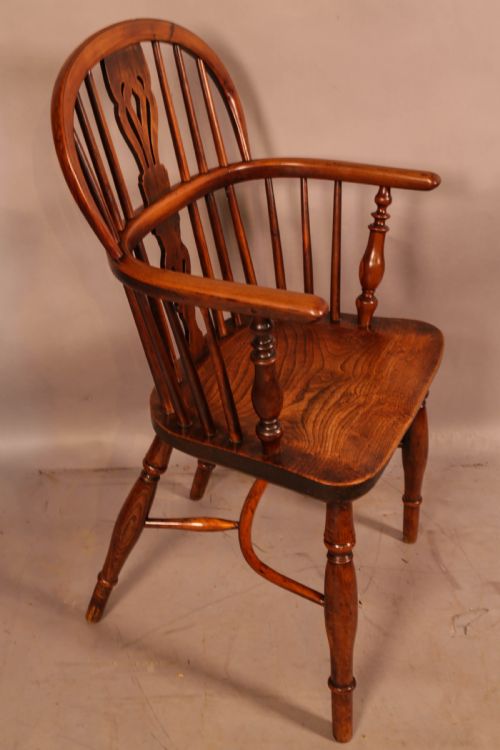
A rockley antique chair represents nineteenth-century English country seating, specifically taking the form of a Windsor armchair. These traditional pieces originate from the English countryside, utilising robust regional timbers suited to daily domestic use.
The version most commonly met on this page is the low back Windsor chair, though high back variants also appear. These armchairs display styles ranging from Georgian country and Victorian country to broader English country traditional aesthetics.
Makers working within this tradition produced sturdy seating supported by spindle backs and solid wooden seats. Every rockley antique chair captures the practical domestic requirements of nineteenth-century rural workshops.
Materials and Construction
Makers constructed these nineteenth-century Windsor armchairs using solid regional timbers including elm, ash and yew wood. Elm provided strong, split-resistant material for carved seats, while ash and yew formed the bentwood bows, spindles and legs.
Craftsmen shaped green and seasoned timber using traditional bodger techniques, turning spindles on pole lathes and steam-bending wood for the backs. Component parts were then joined using pegged mortise and tenon construction to ensure lasting rigidity.
Rockley Chair Retail Price Guide 2026
Typical asking prices for rockley chair among the pieces listed under this phrase on Sellingantiques today, from the lower quarter to the upper quarter. They describe what is for sale here now, not the wider market.
Early woodland turners known as bodgers worked outdoors among woodchips, shaping fresh green timber into chair parts before they fully dried.
What Varies in Quality
Quality in a rockley antique chair rests upon the selection and figuration of the yew wood or elm used by the maker. Timber with rich grain patterns and deeper natural warmth elevates the visual presence of the armchair.
The refinement of the spindle turnings and the graceful sweep of the bentwood back bow distinguish finer examples from simpler vernacular seating. Structural integrity in the joints and the balanced proportions of the low or high back further define the standard of the piece.
Fred Walker Rockley
The Rockley Chair Glossary
- Windsor chair
- A wooden armchair featuring a solid carved wooden seat into which the legs and back spindles are directly inserted. This form defines the core style of seating seen in nineteenth-century English country workshops.
- Low back Windsor
- A chair design where the back bow and spindles sit at a lower height, often terminating below the user's shoulders. These pieces offer compact proportions while retaining traditional bracing.
- High back Windsor
- A seating variant featuring an elevated back bow and taller spindle arrangement that provides upper back support. This form creates a commanding presence within a country interior.
- Vernacular furniture
- Domestic objects made by regional artisans following local traditions rather than strict academic pattern books. These pieces reflect the practical needs of nineteenth-century rural communities.
- Bodger
- A traditional pole-lathe woodturner working in woodland clearings to produce chair legs and spindles. Their components supplied regional chairmakers who assembled the finished armchairs.
Rockley Chair: Frequently Asked Questions
How were these chairs used?
These armchairs served as primary seating around farmhouse tables and beside hearths in nineteenth-century homes. Their robust construction was designed for heavy daily domestic use.
Today they function as reading chairs or decorative accents that bring historic character to a room.
How do I live with a Windsor chair?
Placing a nineteenth-century Windsor chair in a room adds tactile warmth through natural wood grains and traditional craftsmanship. They pair well with both historic interiors and modern minimalist spaces.
Keep them away from direct heat sources to protect the historic elm, ash and yew timber from drying out.
How do I tell low back and high back chairs apart?
Low back chairs feature a shorter bentwood rail that finishes beneath the user's shoulders, offering a more compact profile. High back chairs extend significantly higher to support the entire upper back.
Both styles utilise similar spindle arrangements and solid carved seats but create distinct visual proportions in a room.