






Riveted Metal Log Tub
These heavy riveted metal log tub vessels bring genuine utility and warmth to a hearth, shaped by nineteenth-century hands for enduring everyday service.
Riveted Metal Log Tub
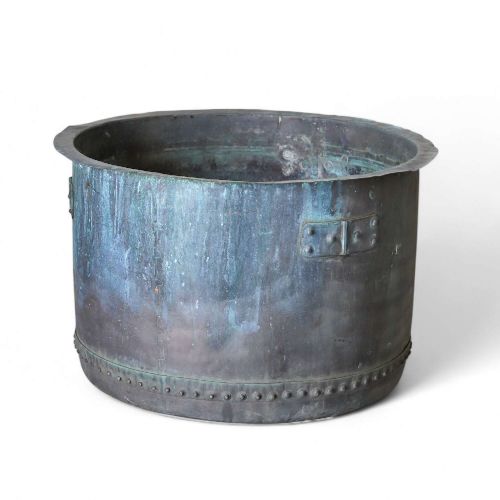
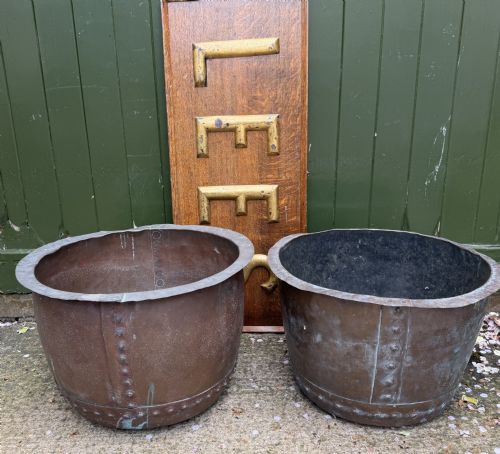
A riveted metal log tub serves both practical and decorative purposes beside the fireplace, holding fuel while anchoring a room with substantial metallic texture. The pieces gathered under this phrase span utilitarian domestic vessels, repurposed coppers, and dedicated log bins.
Most examples originate from the nineteenth century, including Victorian and Georgian periods, alongside French country and provincial workshop pieces. Buyers frequently encounter heavy copper boilers, grain measures, and ferrats that have transitioned from agricultural or culinary duties to fireside storage.
The utilitarian origins mean that many items retain the honest scale and robust construction required for holding dense loads of timber. Planters and garden display pots also appear frequently, sharing the same heavy metal plates and visible joins.
Materials and construction
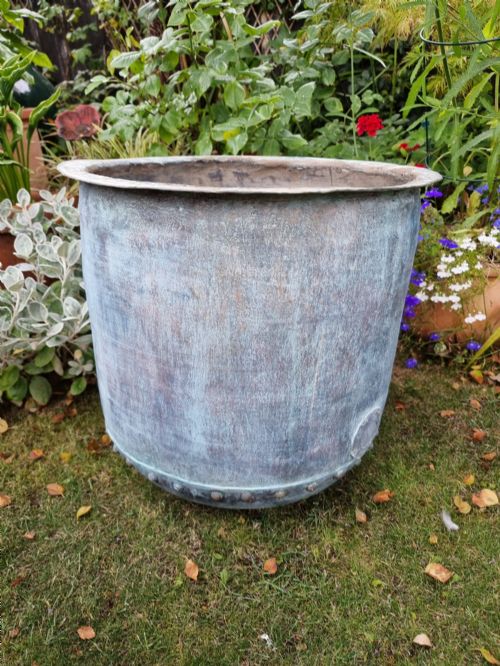
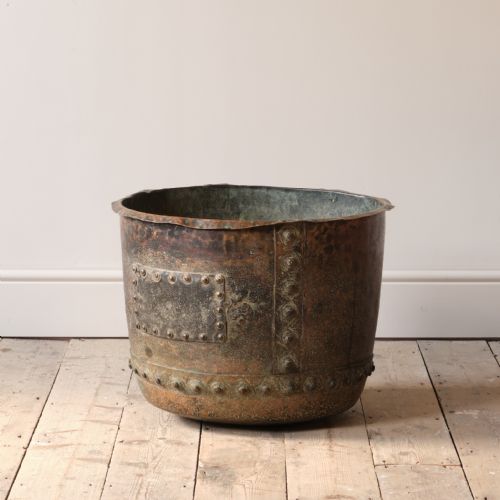
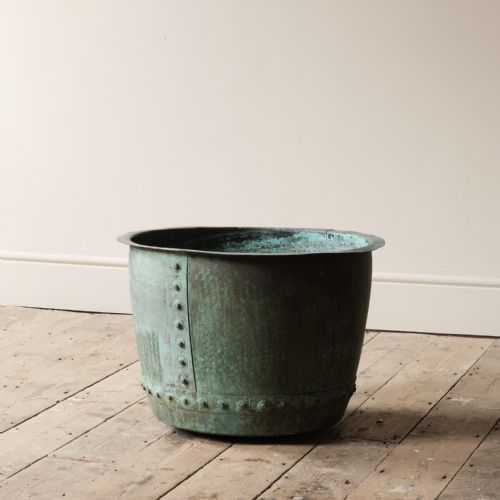
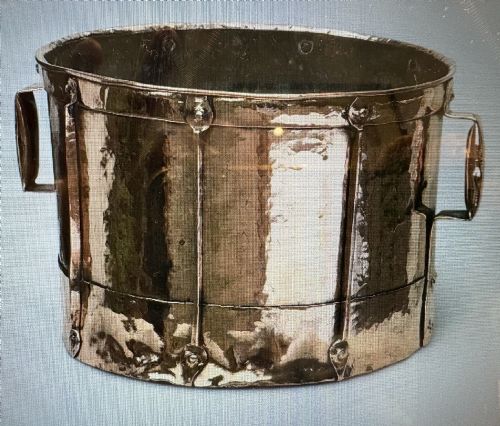
Copper dominates the construction, accompanied by occasional brass and iron fittings, hammered and joined by hand-driven metal rivets. Craftsmen shaped thick sheets of metal over forms, overlapping the edges and securing them with closely spaced rivets to withstand internal pressure and heavy usage.
Surface finishes display the natural results of age and elemental exposure, including dark patinas, verdigris, and the subtle marks of shaping hammers. Handles and rims are often reinforced with brass or iron bands, attached securely to the main body.
Riveted Metal Log Tub Retail Price Guide 2026
Typical asking prices for riveted metal log tub among the pieces listed under this phrase on Sellingantiques today, from the lower quarter to the upper quarter. They describe what is for sale here now, not the wider market.
Materials span copper, brass, and iron, taking the form of log bins, grain measures, and garden planters.
Distinguishing quality
Quality rests upon the integrity of the original construction, particularly the regularity of the riveting and the thickness of the metal plate. Heavier gauge metal resists denting and maintains its structural form better over centuries of handling.
The character of the surface evolution plays a major role, distinguishing pieces with a deep, undisturbed natural patina from those with overly polished or altered surfaces. Original handles, seams, and integrated fittings untouched by modern restoration command greater interest.
The Riveted Metal Log Tub Glossary
- Riveted
- Joined together using metal pins hammered flat on either side to secure overlapping plates. This technique provides immense structural strength before modern welding became common.
- Ferrat
- A traditional French agricultural or domestic metal measure, typically cylindrical or slightly tapered. These vessels are frequently repurposed today as log holders or large planters.
- Jardiniere
- An ornamental pot or stand designed to hold growing plants. In metalwork, these often feature decorative brass mounts or handles.
Riveted Metal Log Tub: Frequently Asked Questions
How do I clean a copper log tub?
Maintenance requires little more than dusting with a soft cloth to preserve the accumulated layers of historical surface colour. Heavy chemical polishing strips away the desirable patination that centuries of exposure have created.
Keeping the interior free of damp debris prevents further metal degradation. A gentle wipe with neutral oil can protect the exterior metal if placed in humid environments.
Can these tubs hold logs safely?
These vessels were engineered for heavy loads, making them exceptionally well-suited for stacking firewood beside an active hearth. The thick metal bases absorb the impact of dropping timber without structural failure.
Placing a protective felt pad underneath safeguards delicate flooring from the heavy metal base. The generous internal capacity accommodates substantial quantities of fuel.
What distinguishes a grain measure from a log bin?
Grain measures typically feature strict cylindrical proportions and were originally calibrated for agricultural dry goods. Log bins often display slightly broader openings or heavier handles designed for domestic transport.
Both forms share identical construction methods using heavy riveted sheet metal. Over time, functional boundaries blurred as owners repurposed agricultural vessels for household firesides.
How can I tell a Georgian piece from a Victorian one?
Georgian examples, dating from around the early nineteenth century or slightly before, often exhibit distinct hand-hammered surface textures and simpler, heavier iron or copper handles. Victorian items from later decades tend towards more standardised sheet rolling and occasionally incorporated brass decorative trim.
Examining the rivet heads provides further clues, as earlier hand-formed pins differ slightly from later manufactured fasteners. Overall weight and wall thickness also reflect the manufacturing standards of their respective decades.