



Rich Brown Dressing Table
A rich brown dressing table brings warmth and functional elegance to a bedroom, uniting period craftsmanship with practical daily use.
Rich Brown Dressing Table
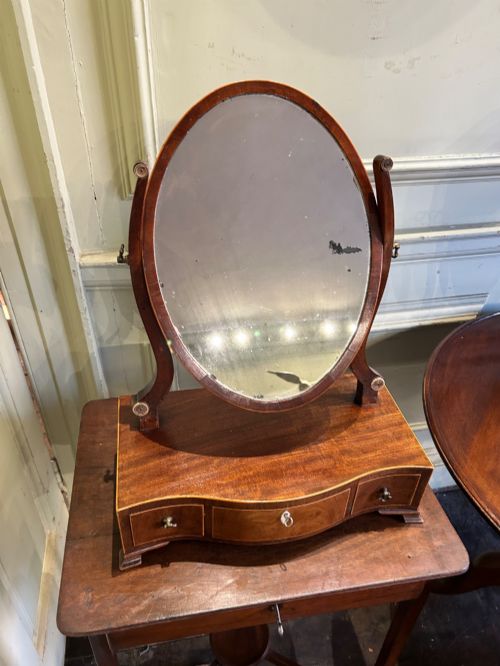
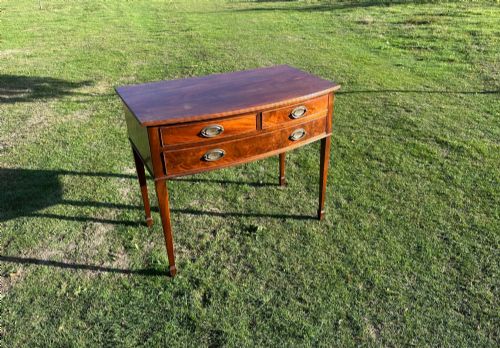
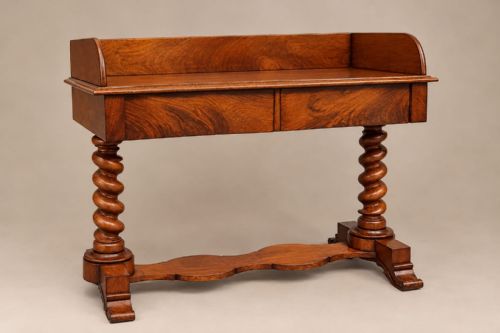
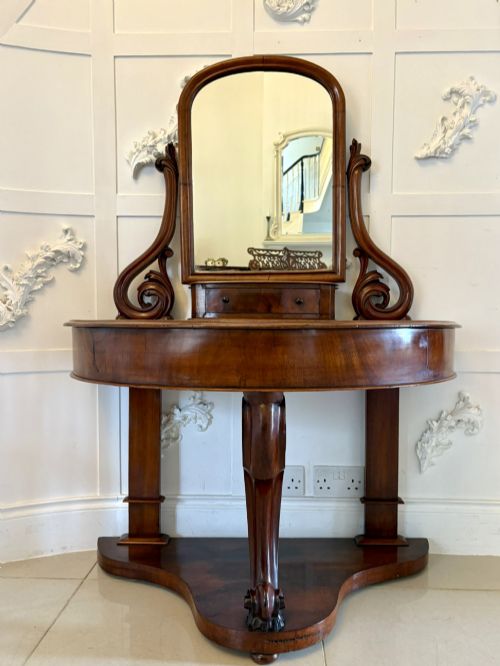
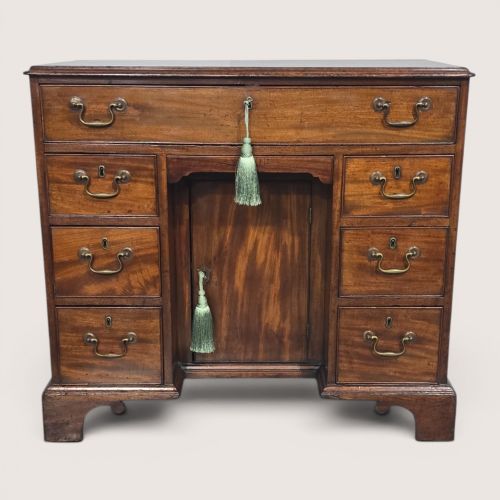
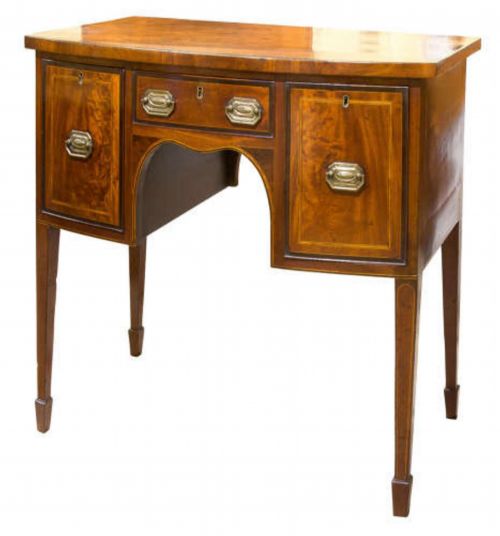
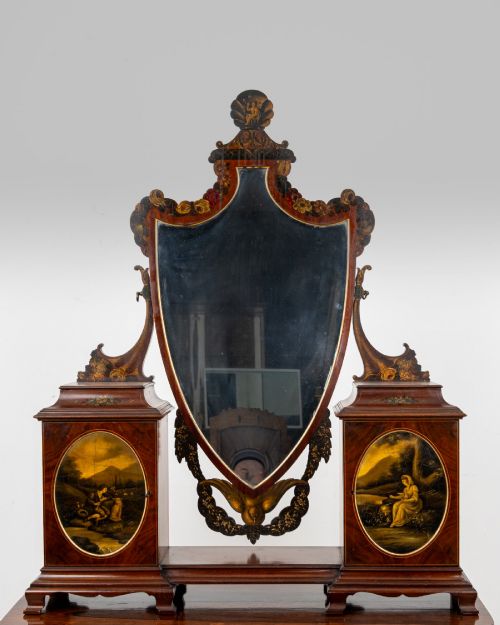
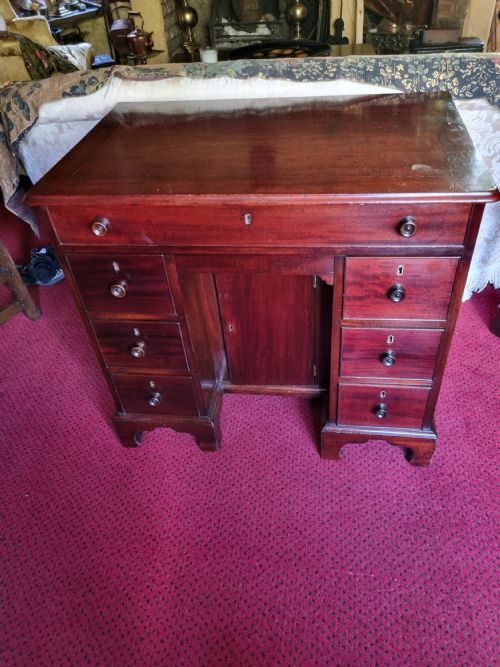
A rich brown dressing table embodies the classic appeal of mahogany furniture found across the Georgian, Victorian, and Edwardian eras. Buyers searching for a rich brown dressing table will encounter various forms, including traditional dressing tables, writing tables, and related pieces like cheval mirrors and sideboards.
The selection ranges from mid-eighteenth-century George III designs to later nineteenth-century and Victorian iterations. Many of these examples utilise solid mahogany, sometimes enhanced with purpleheart banding or wood inlay to accentuate the deep brown tones.
How they were made
Cabinet makers relied primarily on mahogany, shaping both solid timber and veneers to achieve deep, rich brown surfaces. Brass handles, escutcheons, and structural fittings were frequently integrated into the construction of desks, dressing tables, and mirrors.
Intricate detailing such as purpleheart banding and delicate wood inlay required high levels of joinery skill, particularly on curved bow-front structures and compact kneehole desks.
Rich Brown Dressing Table Retail Price Guide 2026
Typical asking prices for rich brown dressing table among the pieces listed under this phrase on Sellingantiques today, from the lower quarter to the upper quarter. They describe what is for sale here now, not the wider market.
Listings feature mahogany, brass, glass, purpleheart, and wood inlay across Georgian, Victorian, and Edwardian periods.
What varies in quality
Quality in these pieces rests on the choice of timber and the precision of the cabinet work. Figured mahogany grain patterns and subtle contrasting wood inlays elevate an example above standard utility pieces.
Proportion and structural integrity distinguish finer workshops, especially in smaller formats like kneehole desks and table top cheval mirrors where symmetry and joinery are paramount.
The Rich Brown Dressing Table Glossary
- Mahogany
- A durable tropical hardwood known for its deep reddish-brown colour and fine grain. It served as the primary material for high-quality case furniture through the eighteenth and nineteenth centuries.
- Bow-front
- A convex, curved front profile popular in Georgian and later furniture design. This shape softens the corners of chests, sideboards, and desks.
- Kneehole desk
- A compact writing table featuring a central recess for the legs, flanked by pedestals of small drawers. They were designed for domestic studies and dressing rooms.
- Cheval mirror
- A full-length freestanding mirror mounted on a pivoting frame. The name derives from the French word for horse, referencing the trestle support.
Rich Brown Dressing Table: Frequently Asked Questions
How do I date a mahogany dressing table?
Dating relies on examining construction methods, timber selection, and hardware styles. Earlier pieces from the eighteenth century often feature hand-cut dovetails and solid mahogany boards, whilst Victorian examples may show machine-sawn elements and different drawer framing.
Secondary woods used inside drawers also provide clues to origin and period. Comparing the overall proportions and decorative motifs against documented styles helps narrow down the decade of manufacture.
What is purpleheart banding?
Purpleheart banding involves inlaying thin strips of dense purpleheart wood into the surface of mahogany furniture. This technique creates a subtle decorative border that contrasts with the rich brown background.
Cabinet makers used this method to frame drawer fronts and table tops on refined Georgian and eighteenth-century pieces. Over time, exposure to light deepens the purple tones towards a rich brown.
Are these tables suitable for daily use?
These period pieces were built for practical domestic use and remain sturdy enough for everyday tasks when treated with care. Writing tables and dressing chests provide functional surface areas and storage drawers that work well in modern homes.
Placing protective pads under heavy items or liquids preserves the polished top. With sensible placement and gentle handling, antique furniture accommodates contemporary routines comfortably.