






Revival Reading Desk
A revival reading desk provides a solid anchor for study, combining period forms with practical surfaces.
Revival Reading Desk
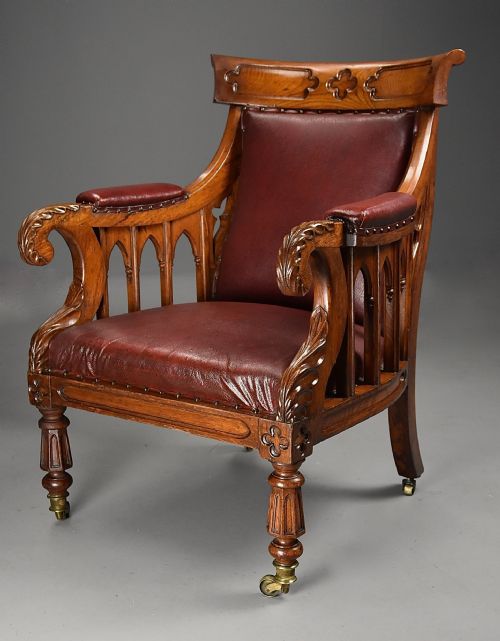
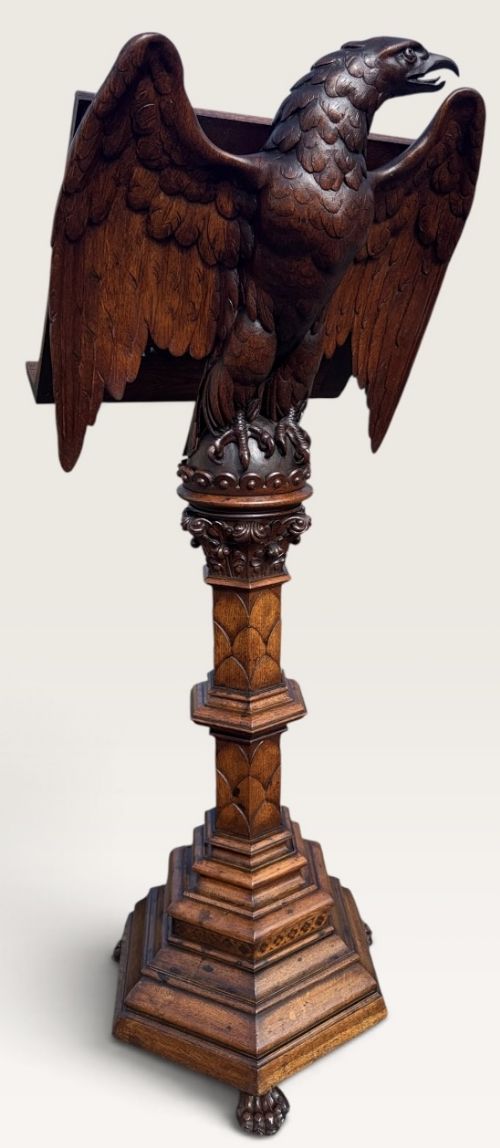
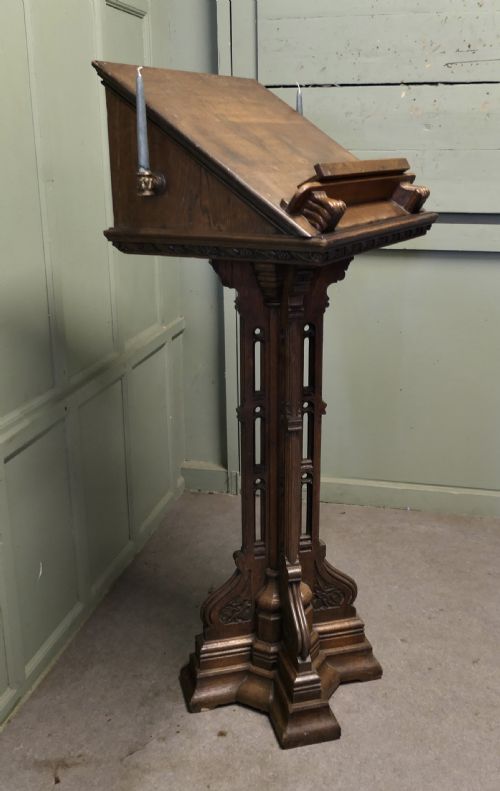
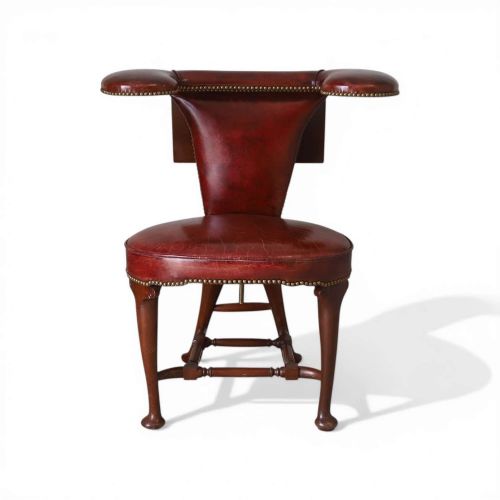
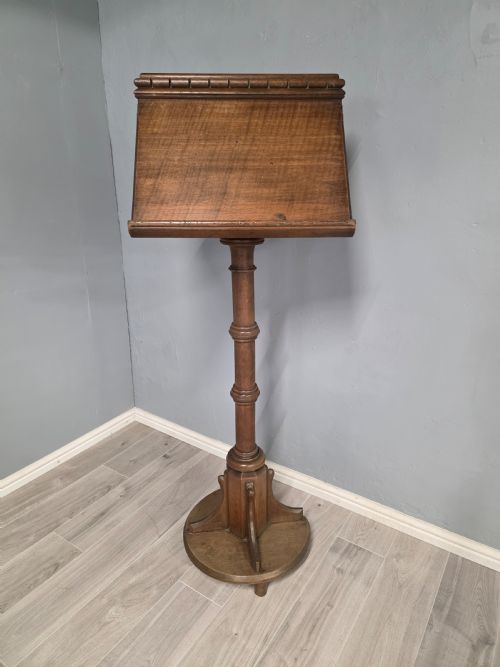
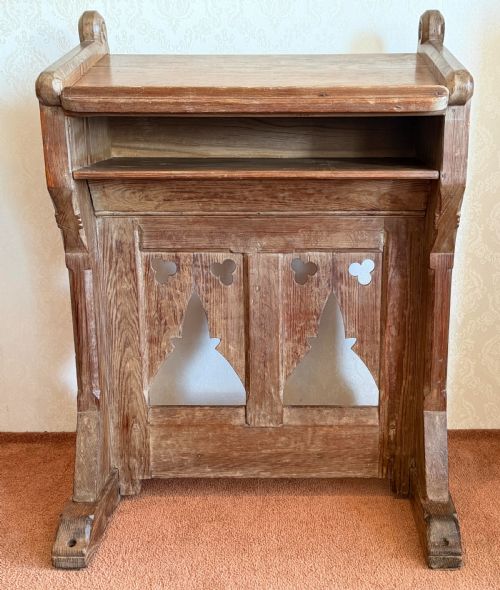
A revival reading desk encompasses pieces designed to support books and documents, drawing on historical forms and decorative vocabularies. The selection on this page leans heavily toward larger library armchairs, carved oak lecterns, and associated reading furniture rooted in nineteenth-century and early twentieth-century production.
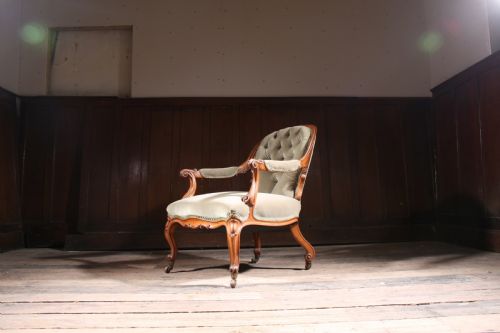
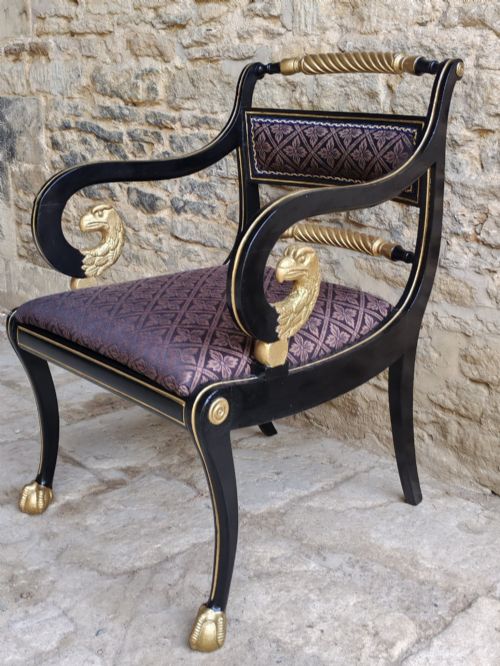
Buyers will encounter substantial seating alongside standing lecterns and table accessories. The forms range from Gothic revival church furniture to mahogany desk chairs and inlaid library seats reflecting Edwardian and Victorian tastes.
Originating largely from British and European workshops of the nineteenth and early twentieth centuries, these items bring historic architectural motifs into domestic and institutional spaces.
Judging quality in revival pieces
The standard of carving and timber selection marks the division between ordinary production and finer examples. Deep, crisp relief work on oak lecterns and library chairs demonstrates skilled hand craftsmanship compared to mechanical repetition.
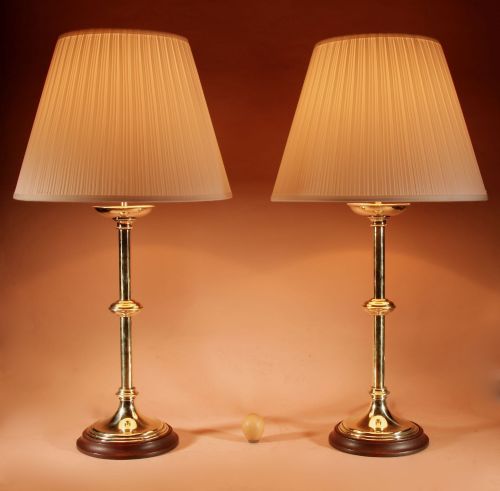
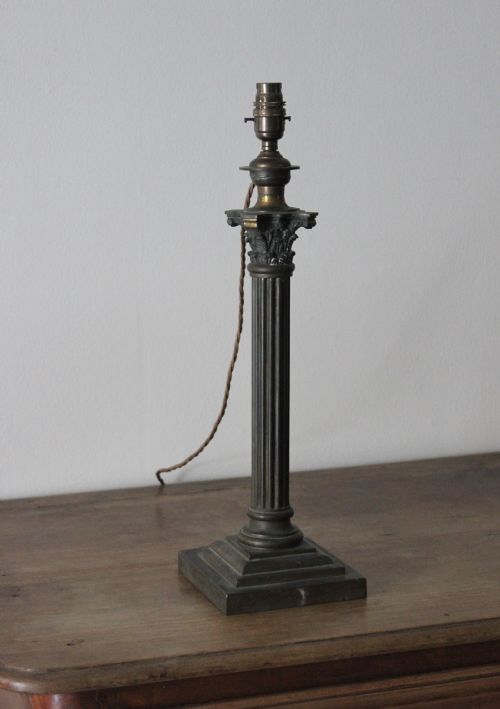
The integrity of the timber joints and the weight of the cast brass components determine structural longevity. Superior pieces maintain robust proportions and cohesive stylistic details across every visible surface.
Revival Reading Desk Retail Price Guide 2026
Typical asking prices for revival reading desk among the pieces listed under this phrase on Sellingantiques today, from the lower quarter to the upper quarter. They describe what is for sale here now, not the wider market.
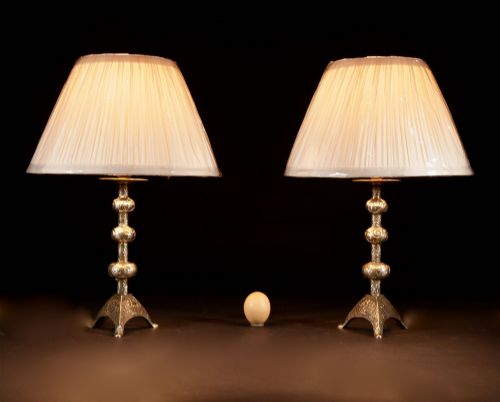
Listings combine nineteenth-century oak and mahogany with brass lighting from the Edwardian and Victorian eras.
The Revival Reading Desk Glossary
- Lectern
- A slanted stand designed to hold a book or lecture notes at a comfortable height for reading. These often incorporate carved wooden eagles or architectural columns.
- Gothic Revival
- An architectural and decorative style drawing inspiration from medieval ecclesiastical design. It dominates many of the carved oak pieces in this category.
- Library Armchair
- A sturdy, generous seat designed for prolonged reading, frequently upholstered in leather and constructed from oak, mahogany, or walnut.
- Barley Twist
- A turning technique resembling a twisted rope, commonly found on the wooden legs and uprights of Victorian seating and brass table lamps.
- Corinthian Column
- A classical column order featuring ornate acanthus leaves on the capital, frequently utilised in nineteenth-century brass table lamps.
Revival Reading Desk: Frequently Asked Questions
What is a revival reading desk?
A revival reading desk refers to furniture designed to hold books and papers while drawing upon historical styles like Gothic and Neoclassical.
These pieces span from standing church lecterns to seated library chairs intended for study.
How do I date a revival piece?
Dating relies on identifying timber types, joinery methods, and the specific revival movement referenced in the design.
Victorian and Edwardian examples often combine older architectural motifs with contemporary manufacturing techniques of the nineteenth and early twentieth centuries.
Where were these pieces used?
Library armchairs and reading stands found homes in private studies, grand libraries, and institutional settings.
Lecterns originated primarily in ecclesiastical environments before finding broader decorative uses.
How do I care for oak library furniture?
Solid oak and mahogany benefit from regular dusting with a dry cloth and occasional application of appropriate natural wax.
Keeping timber items away from direct heat sources prevents the wood from drying and splitting over time.