




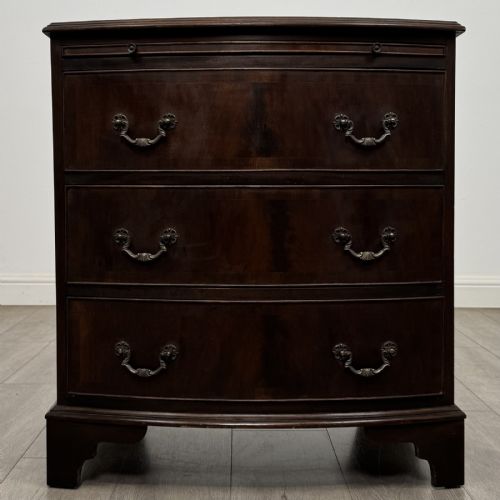
Revival Furniture Chest
Revival furniture chests bring together historic forms and later craftsmanship, offering practical storage with distinct period character.
Revival Furniture Chest
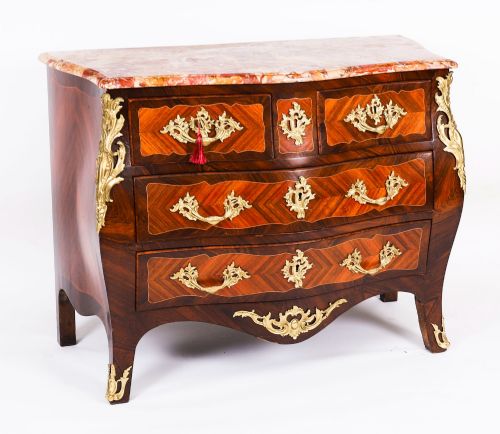
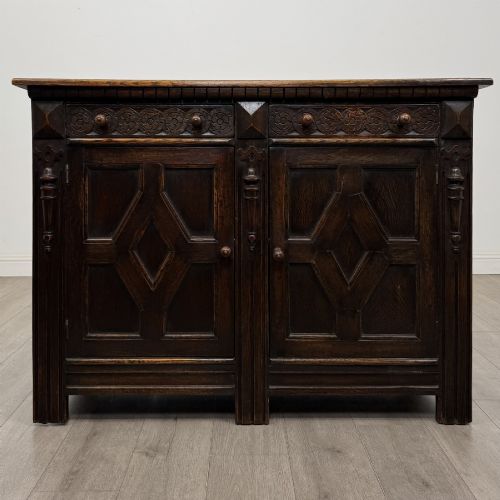
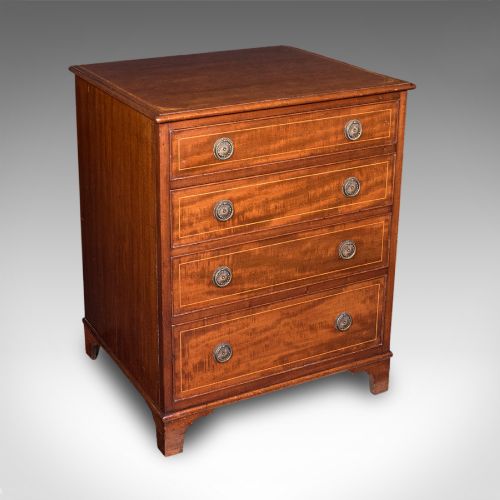
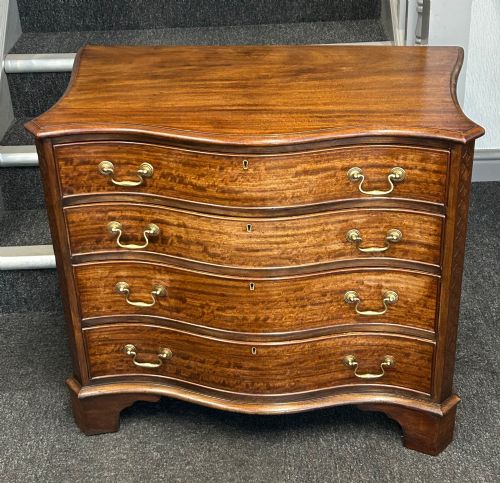
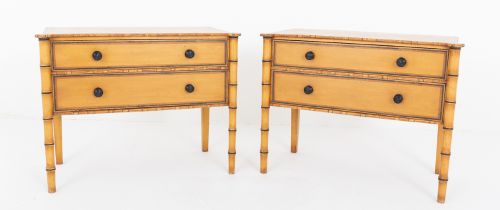
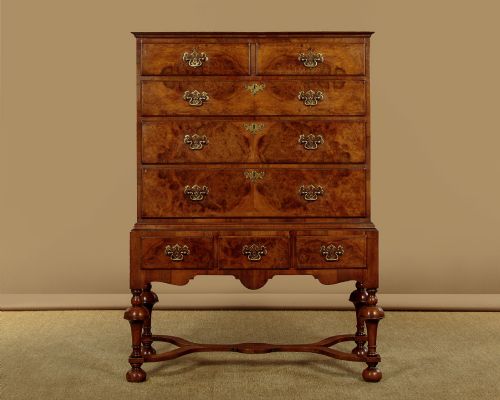
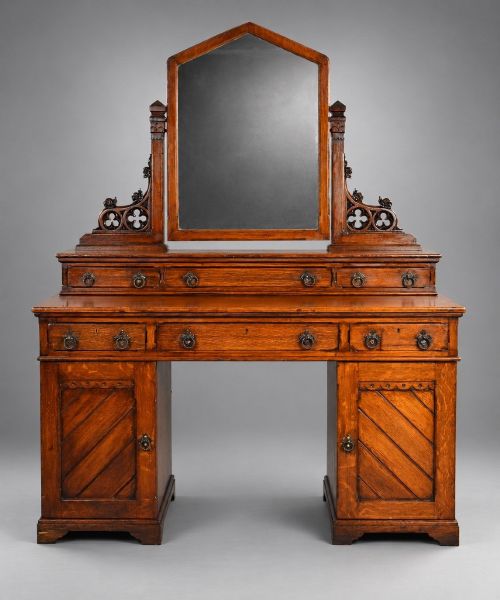
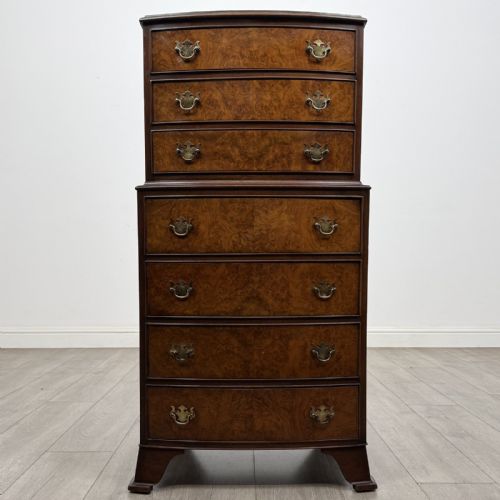
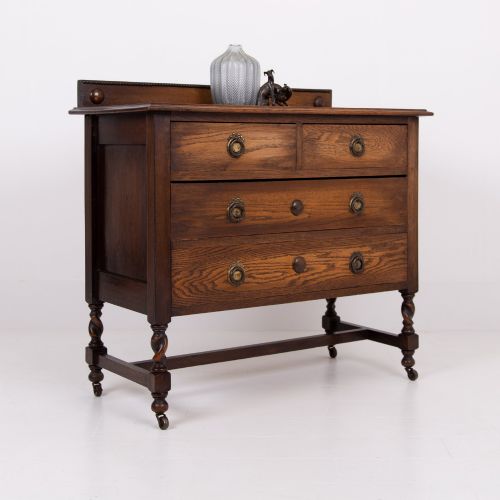
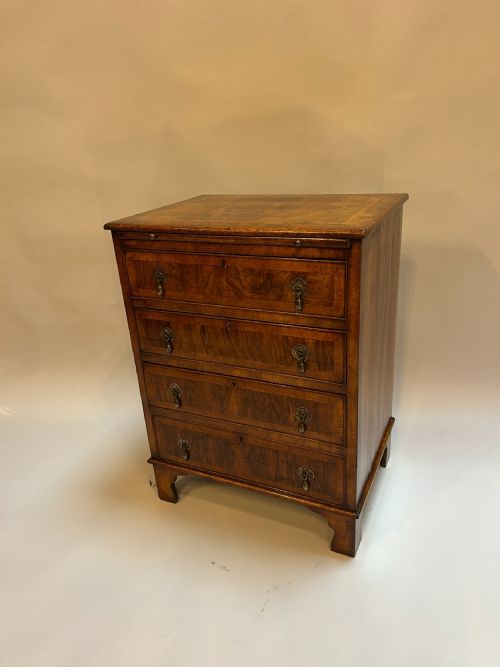
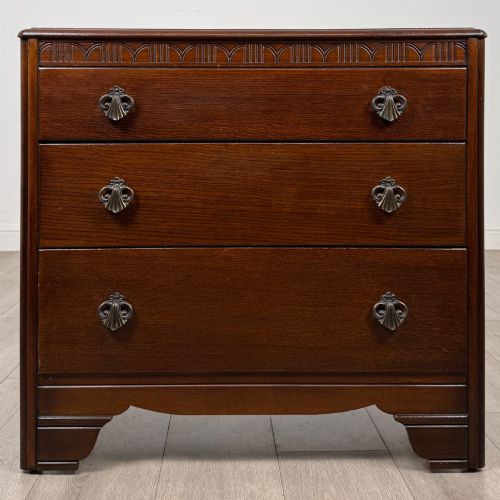
A revival furniture chest encompasses items designed in historic styles, most commonly seen here as chests of drawers, tallboys, and bedside cabinets. These pieces span the nineteenth and early twentieth centuries, drawing on earlier design vocabularies like Georgian, Victorian Gothic, and Sheraton.
Buyers encounter variations ranging from compact walnut pieces dated around nineteen-twenty to larger Edwardian oak storage units and dressing tables. The selection also includes specialised forms such as Wellington chests, bureau chests, and hall benches carrying distinct revival detailing.
Origin points across the listings reflect English, French, Italian, and Swedish workshops adapting classical proportions for later domestic interiors. Each piece reinterprets older furniture traditions using the woods and hardware typical of its actual production era.
Craftsmanship and Proportion
Quality separates through the precision of timber selection and the execution of surface details like veneer matching and carved linenfold or linen-fold motifs. Superior examples maintain crisp lines in their revival styling, whether executing a bow front or a Gothic tracery panel.
The integration of hardware and secondary woods also dictates the standing of a piece. Better workshops ensured drawer linings, brass mounts, and inlaid stringing were handled with restraint and structural integrity.
Revival Furniture Chest Retail Price Guide 2026
Typical asking prices for revival furniture chest among the pieces listed under this phrase on Sellingantiques today, from the lower quarter to the upper quarter. They describe what is for sale here now, not the wider market.
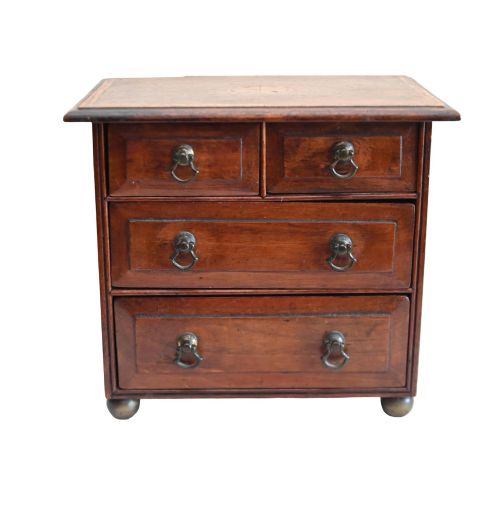
Apprentice chests allowed young woodworkers to demonstrate their mastery of dovetails and proportion in miniature scale.
J Shoolbred
The Revival Furniture Chest Glossary
- Tallboy
- A tall chest of drawers, often consisting of a chest standing upon another chest or a stand. This form maximises vertical storage capacity.
- Baton
- A strip of wood used to reinforce a structure or secure a panel. These appear in various internal frames.
- Ormolu
- Gilded bronze mounts applied to furniture for decorative effect. They are frequently found on nineteenth-century continental pieces.
- Commode
- A low chest of drawers or cabinet originating in France. Many revival examples incorporate marble tops.
- Inlay
- A technique where contrasting materials are inserted into the wood surface to form patterns. Satinwood and lighter timbers are typical for this work.
Revival Furniture Chest: Frequently Asked Questions
What defines a revival furniture chest?
These pieces are later interpretations of historical furniture styles, constructed during the nineteenth and early twentieth centuries. They combine older aesthetic movements, such as Georgian or Gothic, with contemporary building methods of their actual production period.
Buyers find forms ranging from standard drawer chests to tallboys and bedside tables. Each item replicates historic proportions while utilising timber availability and hardware of its own time.
How do I identify the period?
Dating relies on timber choice, construction techniques, and stylistic markers recorded across the pieces. Edwardian and nineteen-twenty examples often display lighter oak or burr walnut finishes alongside specific brass hardware.
Earlier nineteenth-century items tend toward heavier oak carvings or distinct Gothic and Renaissance revival motifs. Comparing the secondary woods and interior linings helps confirm the manufacturing era.
Where were these pieces used?
Such chests served primarily in bedrooms, dressing rooms, and grand halls for linen and garment storage. Tallboys and bureau chests provided vertical capacity in domestic quarters.
In public spaces or hallways, matching hall benches and storage cupboards offered seating combined with concealed compartments. Their versatile sizing suited various rooms in period homes.
How do I care for timber surfaces?
Maintenance involves protecting walnut, mahogany, and oak surfaces from direct sunlight and excessive moisture fluctuations. Regular dusting with a dry cloth preserves polished finishes and veneer stability.
Applying appropriate wax feeds the wood without building up heavy residues on carved details or brass mounts. Gentle handling of drawers and fitted mirrors ensures longevity.