
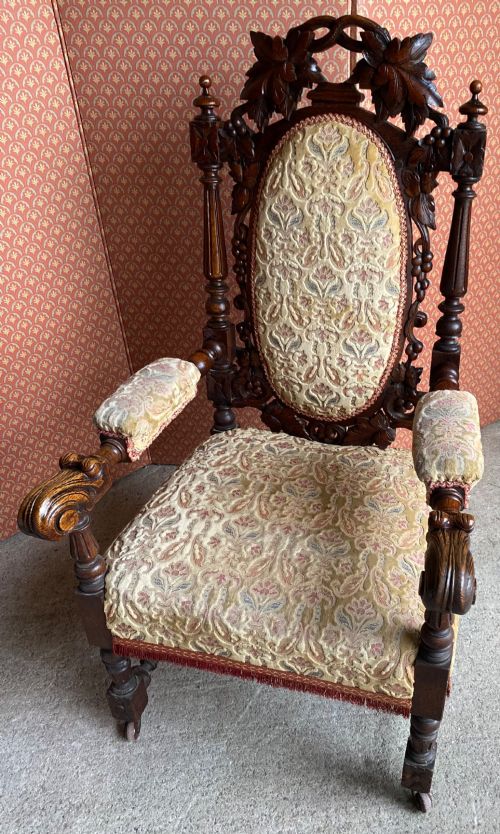
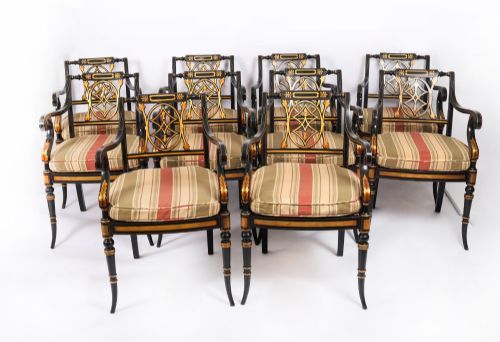
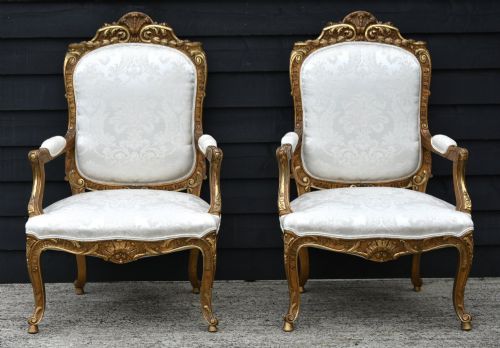
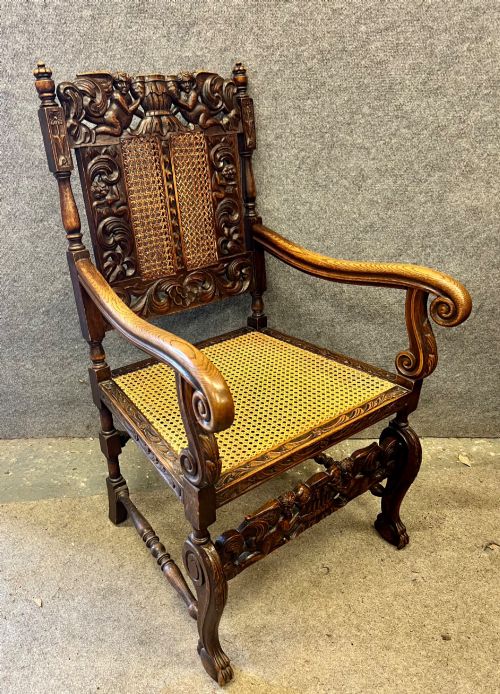
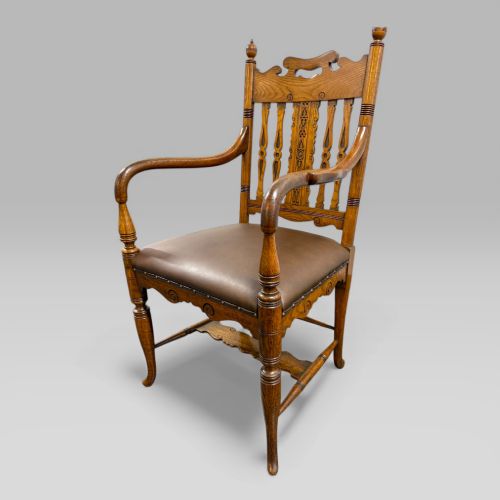
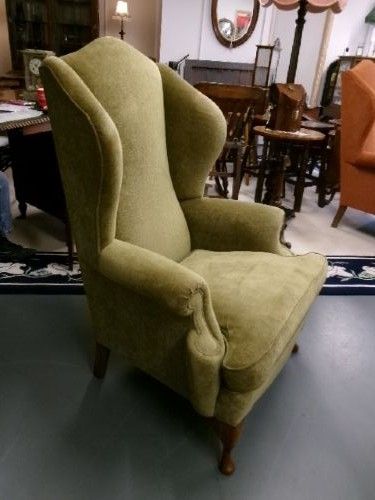
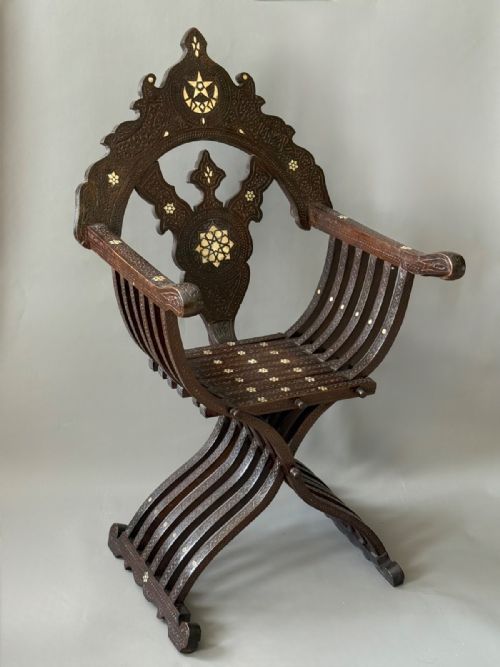
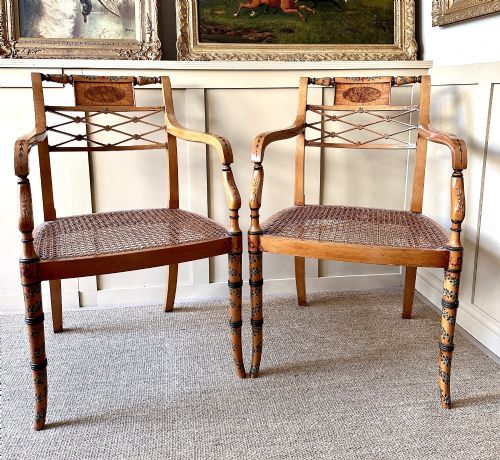
Revival Armchair
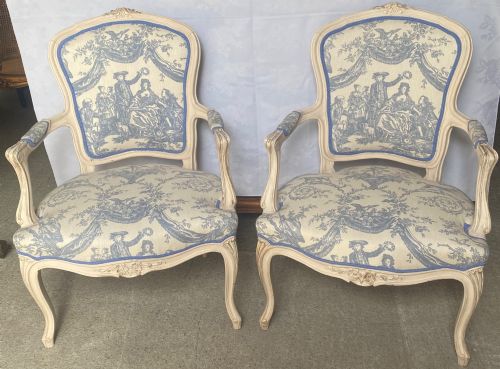
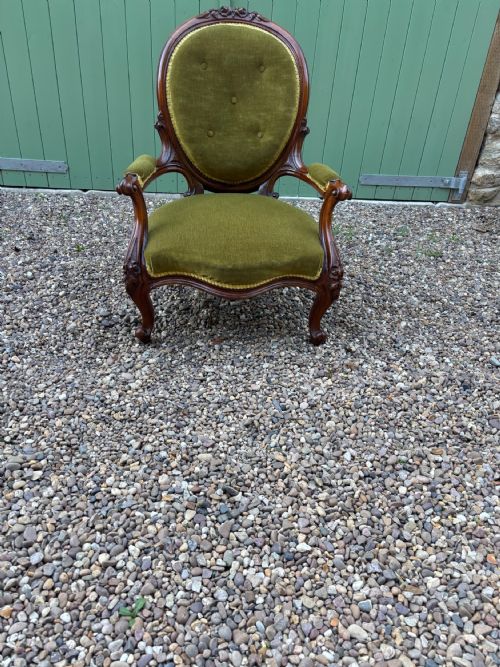
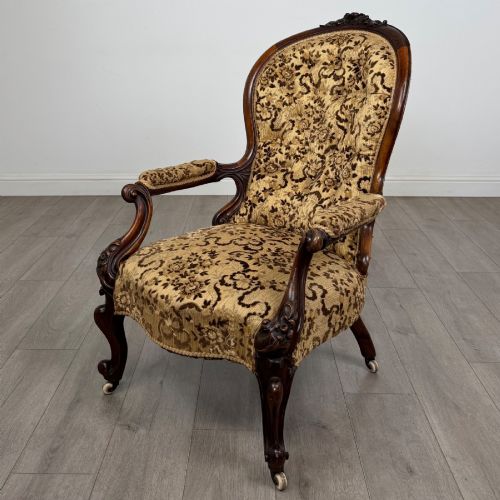
When you examine a revival armchair, you are looking at nineteenth-century interpretations of historical design periods built to furnish contemporary interiors.
Revival Armchair
A revival armchair draws upon earlier aesthetic movements such as Gothic, Jacobean, Rococo, Chippendale, and Georgian styles, reinterpreting them through nineteenth-century cabinet-making techniques.
The versions most commonly met on this page span the Victorian and Edwardian eras, encompassing walnut and mahogany frames alongside oak seating designed for libraries, salons, and desks.
Makers of these chairs adapted historic silhouettes to suit domestic comfort, producing seating that functioned as both an homage to past centuries and a practical household object.
Materials and construction
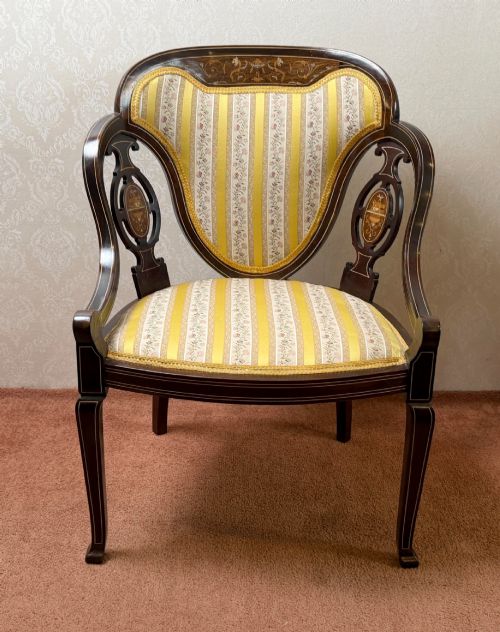
Makers utilised dense timbers such as mahogany, walnut, and oak to carve intricate stylistic details, occasionally incorporating exotic inlays like bone, boxwood, or mother-of-pearl.
Upholstery relied on traditional stuffing methods, finished with fabrics including velvet, leather, or printed cotton, while structural joints frequently employed traditional mortise and tenon techniques.
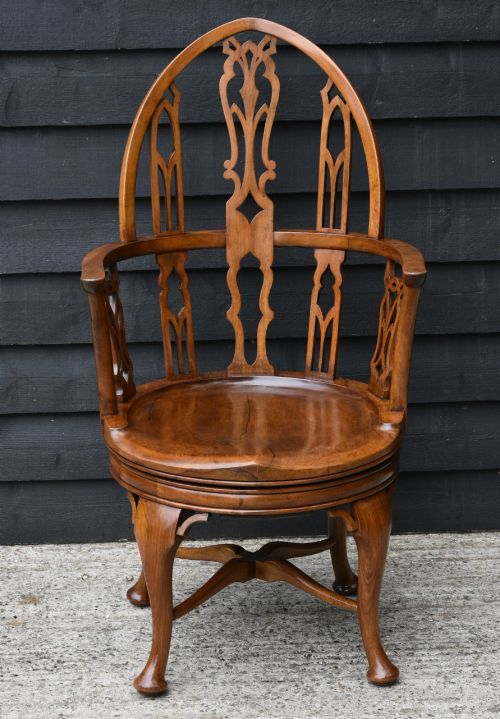
One revolving desk chair manages to combine Gothic walnut linen-fold panels with the corporate swivel action of the late Victorian office.
Distinctions in craftsmanship
The depth and crispness of the hand-carved ornamentation separate standard workshop production from pieces executed by prominent cabinet-makers or specialised ateliers.
The structural integrity of the timber frame and the selection of figured veneers indicate the level of care invested during the original manufacturing process.
Gillows·Bruce James Talbert·Howard and Sons·Alexander Greek Thomson·Warings
The Revival Armchair Glossary
- Carver armchair
- A dining chair featuring arms, traditionally placed at the head of a table or used as an occasional seat.
- Gothic Revival
- A nineteenth-century design style drawing inspiration from medieval architecture, characterised by pointed arches and tracery motifs.
- Elbow chair
- An open armchair designed with low arms intended to support the elbows rather than enclose the sitter.
- Salon suite
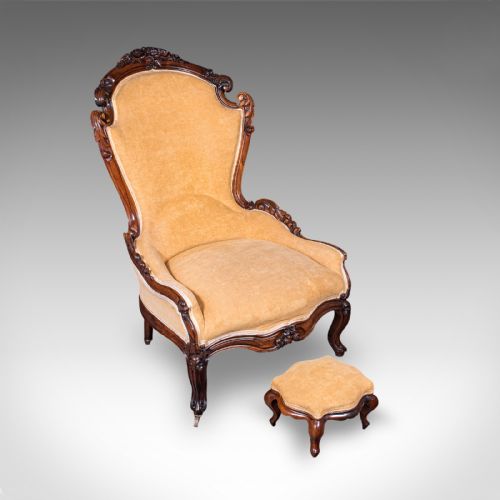
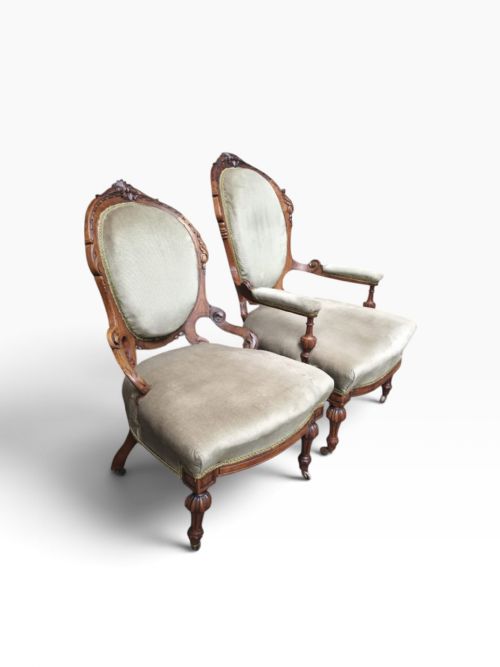
- A matching set of seating furniture comprising a sofa and multiple armchairs intended for formal drawing rooms.
Revival Armchair: Frequently Asked Questions
What is a revival armchair?
A revival armchair is a nineteenth-century seat designed in the aesthetic style of an earlier historic period, such as the Georgian or Gothic eras.
These pieces reflect Victorian and Edwardian interpretations of historic design rather than original antiques from those earlier centuries.
How do I identify the style?
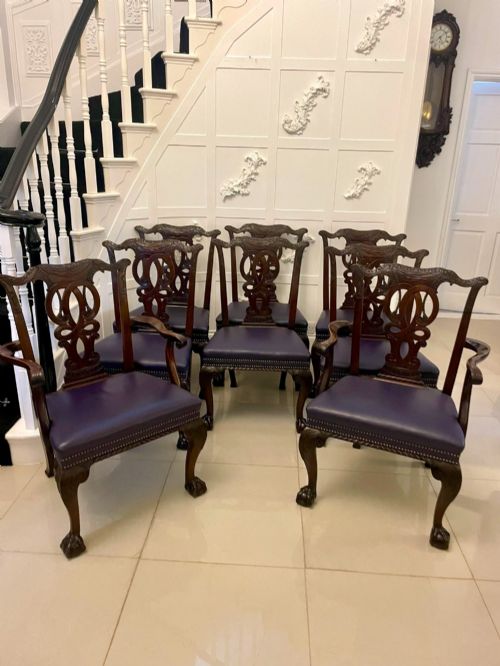
You identify the style by examining the decorative motifs carved into the wood frame, such as ball and claw feet for Chippendale revival or tracery for Gothic revival.
Cabinet-makers often combined these historic decorative vocabularies with the domestic comfort requirements of their own nineteenth-century period.
Where were they used?
These armchairs were placed in libraries, drawing rooms, and studies as both functional seating and fashionable statements of cultural literacy.
Salon suites and desk chairs served specific formal and utilitarian functions within the Victorian home.
Are the upholstery and cushions original?
The upholstery and cushions on these chairs have frequently been replaced over the decades to maintain usability and visual appeal.
Original fabric survives rarely, meaning most chairs rely on modern textile replacements fitted to historic frames.