



Retro Wooden Stand
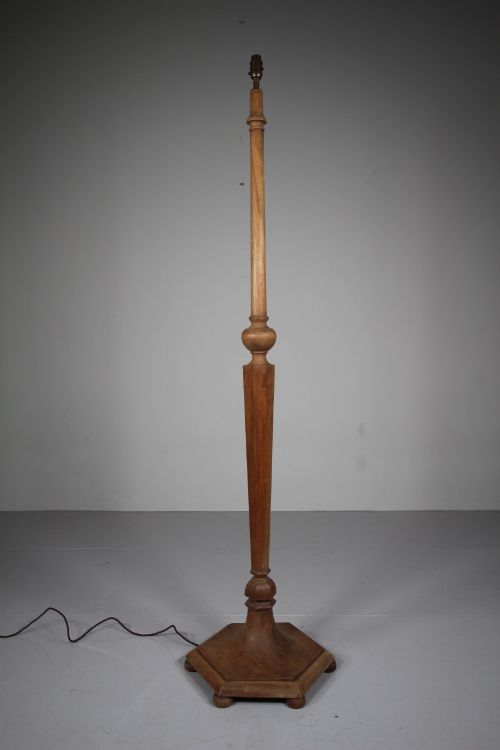
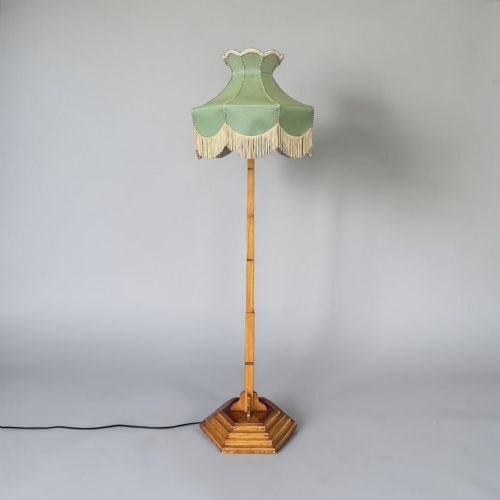
A retro wooden stand brings functional mid-century presence and rich grain to a room through practical forms like valet stands and luggage racks.
Retro Wooden Stand
Originating from British and continental workshops, these items demonstrate how period makers combined practicality with decorative woodwork. Each object serves a distinct domestic function while displaying the characteristic lines of its decade.
Materials and construction
Construction relies primarily on traditional timber such as walnut and mahogany, chosen for strength and distinct grain patterns. Cabinetmakers shaped and joined these hardwoods to withstand daily use while maintaining a refined domestic appearance.
Metal and brass components frequently appear alongside the timber, providing functional hardware and structural reinforcement. Fabric and leather elements occasionally integrate into the designs, particularly on valet fittings and support surfaces.
Retro Wooden Stand Retail Price Guide 2026
Typical asking prices for retro wooden stand among the pieces listed under this phrase on Sellingantiques today, from the lower quarter to the upper quarter. They describe what is for sale here now, not the wider market.
Among the stately furniture, a cheerful 'Cherry Man' cocktail stick holder brings a distinct splash of 1930s whimsy to the collection.
Assessing quality and craftsmanship
Quality in a retro wooden stand rests on the selection of timber and the integrity of the joinery. Superior examples display thoughtful grain alignment and robust construction that endures through decades of practical service.
Refinement in turning and polishing separates standard utility items from more ambitious pieces bearing distinctive stylistic flourishes. The harmony between the primary wood and any auxiliary brass or leather hardware dictates the overall coherence of the piece.
Sudre·Fratelli Rugitti·Collinsons·Heals
The Retro Wooden Stand Glossary
- Luggage rack
- A folding or rigid stand built to support a suitcase or trunk at a convenient height. These practical items utilise sturdy wooden frames often braced with webbing or slats.
- Art Deco
- A popular design style from the 1920s and 1930s characterised by sleek geometric shapes and streamlined forms. This aesthetic influenced the clean lines found on many stands of the era.
- Mid-Century Modern
- A domestic design movement spanning the mid-twentieth century that prioritized functional simplicity and organic forms. Pieces from this period emphasise natural wood textures.
Retro Wooden Stand: Frequently Asked Questions
What is a wooden valet stand used for?
A wooden valet stand is designed to hold an outfit neatly overnight, keeping trousers creased and jackets hung properly. It provides an orderly place for daily accessories like watches, keys, and wallets.
These stands were traditionally placed in gentlemen's bedrooms or dressing rooms to streamline morning routines. Today they serve both a practical storage function and a decorative role in contemporary interiors.
How do I identify a 1930s stand?
Pieces from the 1930s often display Art Deco influences through geometric symmetry and streamlined wooden profiles. Walnut and mahogany were dominant timbers during this decade, frequently finished with a warm polish.
Construction details such as traditional joinery and brass hardware help distinguish pieces from this era. Comparing the form against documented styles from the 1920s and 1940s clarifies the period.
Where should I place a luggage rack?
A vintage luggage rack works well in a guest bedroom to offer visitors a convenient place for bags without using floor space. They also function effectively as low display tables or blanket holders in living areas.
Because these stands are portable and sturdy, they adapt easily to different rooms depending on household needs. Their compact wooden frames fit neatly against walls or at the foot of a bed.
How do I care for vintage wood?
Maintain vintage wood by dusting regularly with a soft, dry cloth and avoiding excessive moisture. Keep wooden stands away from direct heat sources and strong sunlight to protect the finish and prevent timber splitting.
Occasional application of appropriate wax nourishes the grain and preserves the patina built up over decades. Gentle handling ensures the joints and hardware remain secure.