



Retro Wooden Chest
A retro wooden chest brings warmth and character to a room, offering practical storage through enduring timber construction.
Retro Wooden Chest
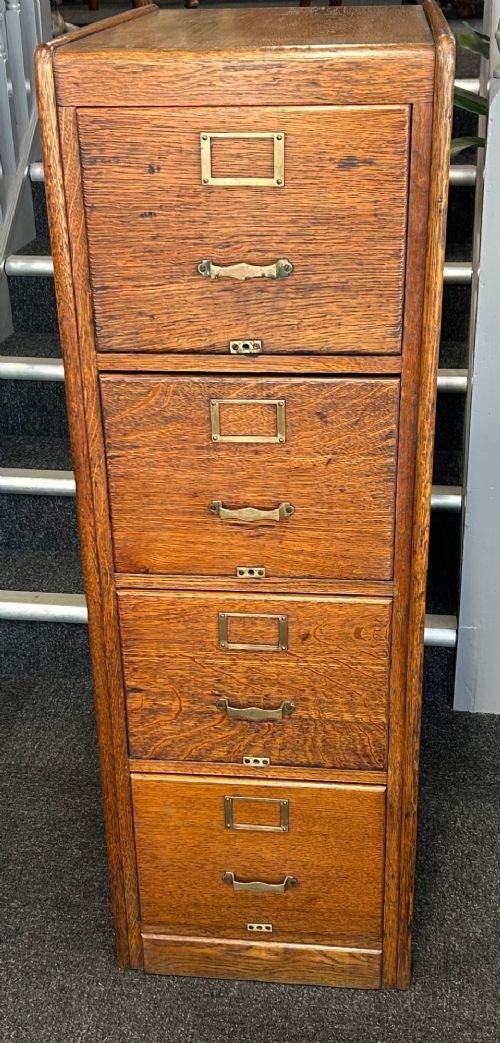
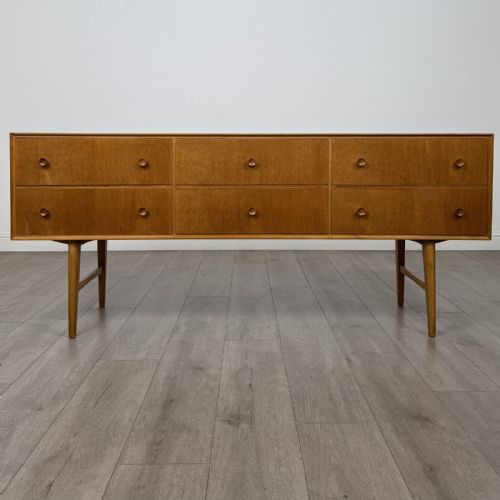
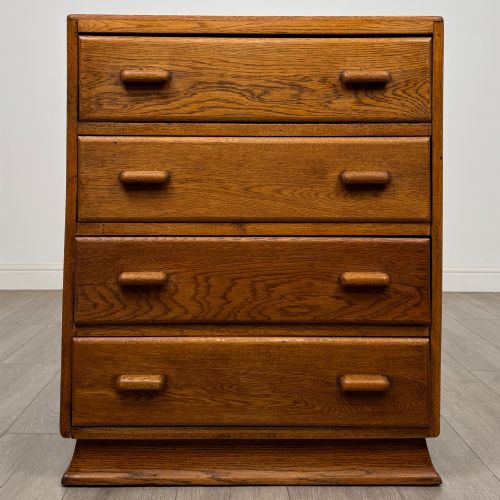
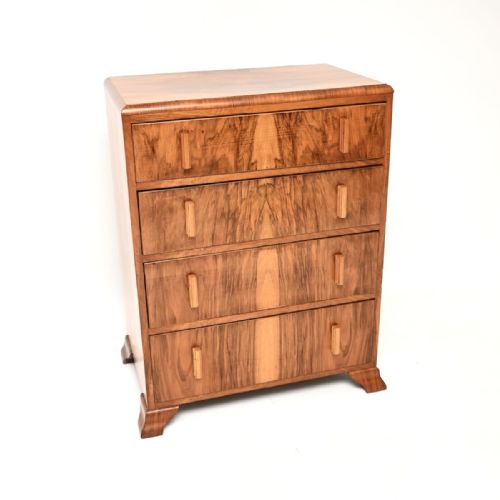
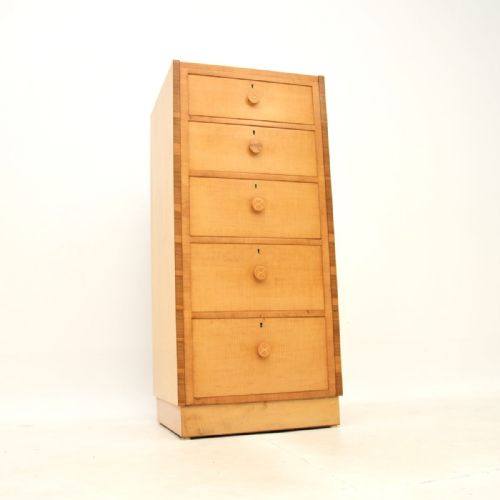
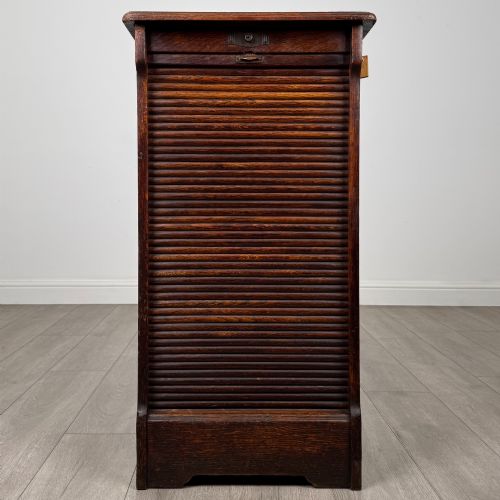
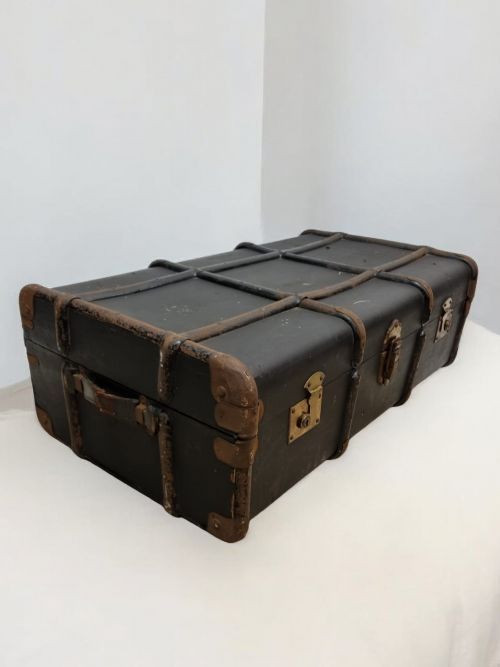
A retro wooden chest encompasses various storage pieces, including chests of drawers, sideboards, tambour cabinets, and trunks originating from the Edwardian era through the 1920s and 1930s. Buyers searching for a retro wooden chest typically encounter oak, walnut, and mahogany forms reflecting Art Deco, Mid-Century Modern, and Edwardian styles.
The selection ranges from utilitarian office furniture like filing cabinets and haberdashery displays to domestic items such as sewing boxes and cigar humidors. Pieces featuring original wooden handles or brass hardware demonstrate the practical utility prized in these earlier decades.
Materials and construction methods
Construction relies heavily on solid hardwoods like oak and mahogany, paired frequently with figured walnut and sycamore veneers to create decorative surface patterns on drawer fronts and cabinets. Cabinetmakers utilised these timbers to build sturdy frames capable of withstanding decades of daily use.
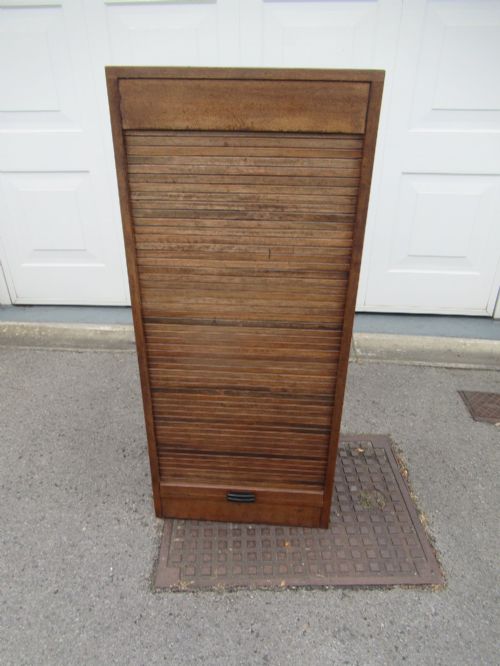
Specialised mechanisms define specific pieces, seen in the tambour fronts of filing cabinets and the clever internal compartments of sewing boxes and haberdashery display cases. Original metal and brass hardware completes the assembly, securing closures and operating drawers.
Retro Wooden Chest Retail Price Guide 2026
Typical asking prices for retro wooden chest among the pieces listed under this phrase on Sellingantiques today, from the lower quarter to the upper quarter. They describe what is for sale here now, not the wider market.
Chadwick’s provided the cottons for sewing rooms, ensuring threads stayed tidy long before modern crafting boxes existed.
Assessing quality and craftsmanship
Quality reveals itself in the selection of wood veneers and the precision of cabinet joinery, distinguishing finely figured Art Deco walnut from simpler utilitarian oak structures. The presence of original hardware, such as specialised locks, handles, and metal mechanisms, elevates a piece.
Integrity of construction across complex forms, such as tambour doors that glide smoothly or adjustable shelving that functions correctly, separates standard storage items from superior examples of period design.
Hille·Alfred Dunhill·Chadwick’s Sewing Cottons
The Retro Wooden Chest Glossary
- Tambour
- A flexible door or shutter made from narrow strips of wood glued to canvas, allowing it to slide around a curved track. This clever mechanism conceals files or shelves in compact cabinets.
- Veneer
- A thin slice of decorative wood glued over a secondary timber base to create patterned surfaces. Figured walnut and sycamore veneers typify the aesthetic of the 1930s.
- Haberdashery cabinet
- A multi-drawer storage unit originally designed for retail shops to sort small sewing items and accessories. These feature glass fronts or shallow drawers.
- Humidor
- A specially sealed wooden box designed to maintain humidity for storing cigars. Alfred Dunhill produced notable examples in this category.
Retro Wooden Chest: Frequently Asked Questions
What periods do these wooden chests come from?
The available pieces span the Edwardian period, the 1920s, and the 1930s, encompassing styles from early 20th-century utility to Art Deco.
These dates reflect a time of shifting domestic and commercial design preferences, moving from ornate Edwardian Edwardian oak towards sleek modernist lines.
How were tambour cabinets used?
Tambour cabinets served primarily as office furniture, such as file cabinets, designed to store documents securely within a compact footprint.
The sliding wooden slat door allowed access to adjustable shelves without requiring clearance space for hinged doors.
Are these chests made of solid wood?
Construction varies between solid timbers, such as oak and mahogany, and decorative woods applied as veneers over a base substrate.
Art Deco pieces often utilise figured walnut or sycamore veneers to display striking grain patterns across flat surfaces.
What is a haberdashery display case?
A haberdashery display case is a multi-drawer cabinet originally utilised in retail shops to organise and display small sewing goods and haberdashery items.
These units offer numerous shallow compartments suited for modern organisation tasks.