



Retro Wood Cabinets
These retro wood cabinets span decades of craft, bringing character and practical storage to any room.
Retro Wood Cabinets
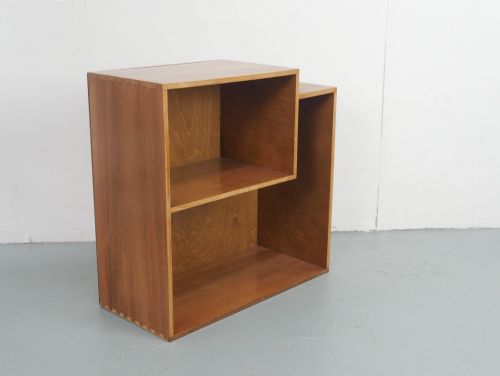
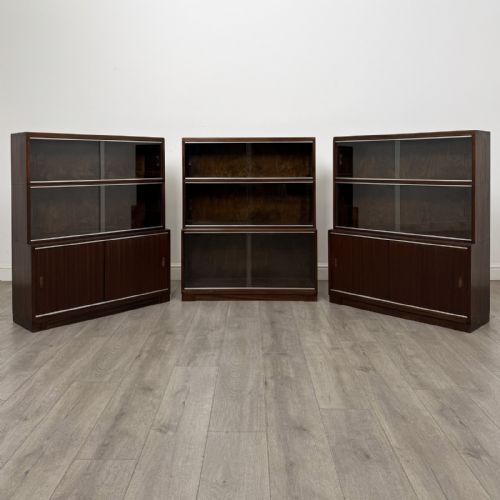
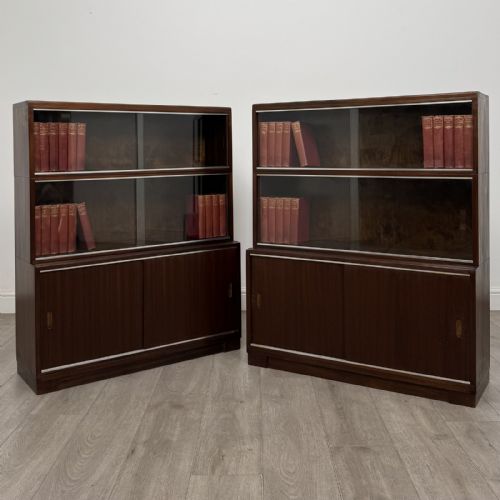
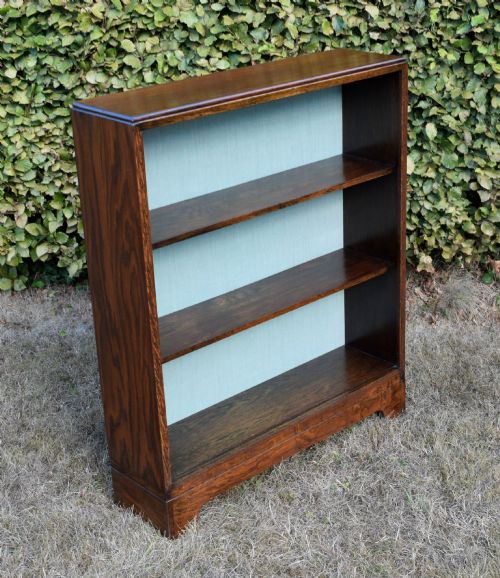
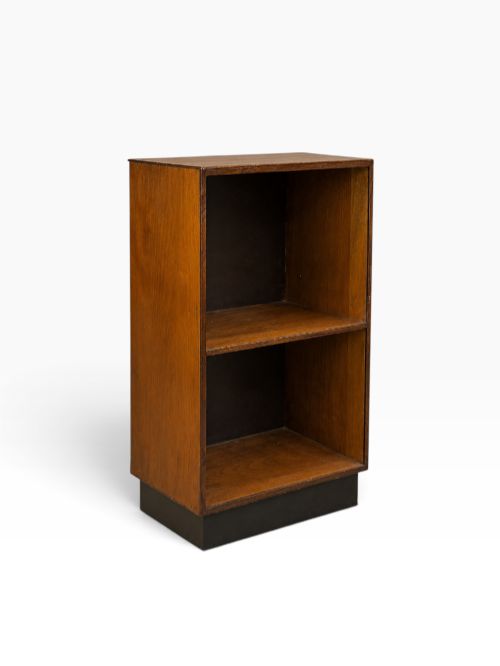
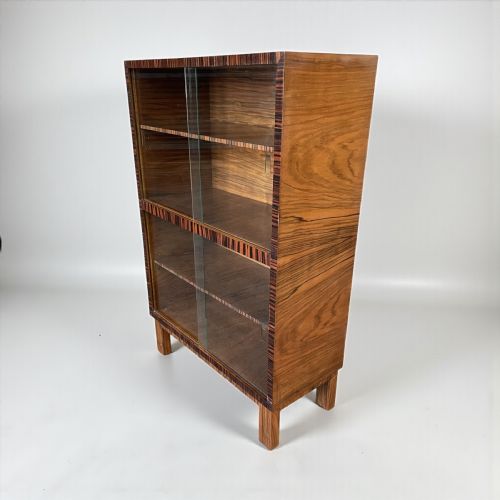
Retro wood cabinets encompass a diverse selection of furniture types, from bookcases and display cabinets to filing units and bedside tables. You will encounter pieces dating across the Edwardian period, the 1920s, 1930s, 1940s, and 1960s.
The selection ranges from industrial card files and shop display cases to domestic wardrobes, side cabinets, and metamorphic cocktail units. Styles include Art Deco, Mid-Century Modern, Louis XV Revival, and 1920s Industrial designs.
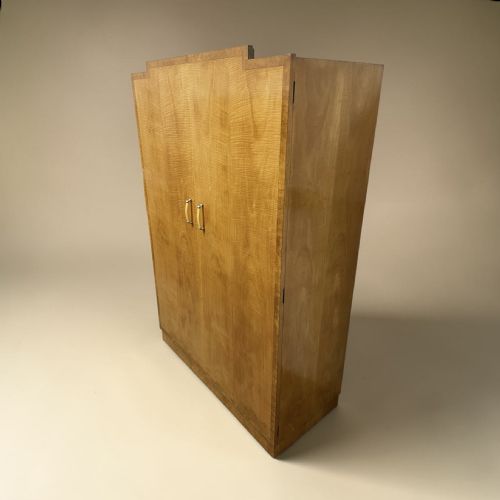
Most items on offer reflect the geometric lines of the 1930s or the practical utility of 1920s office and shop furniture. Buyers often seek these cabinets to anchor a room with distinct period woodwork and functional storage.
How they were made
Construction relies heavily on traditional timber frames and panel work, utilising solid hardwoods alongside decorative veneers. Oak, walnut, mahogany, birch, and ash provide the primary structural and visual surfaces across the pieces.
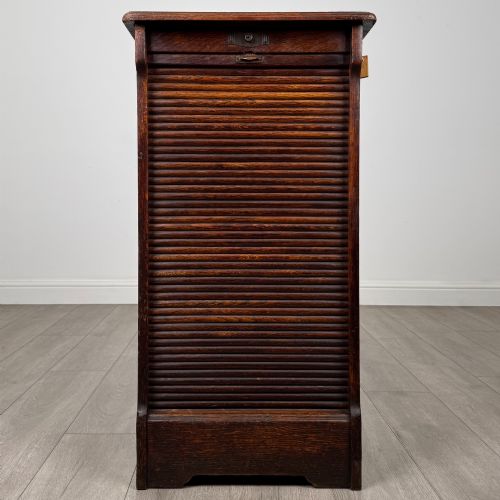
Manufacturers integrated functional hardware in brass to operate sliding glass doors, tambour shutters, and adjustable shelving mechanisms. Marquetry work and contrasting wood veneers, such as sycamore paired with burr walnut, add decorative surface detail to specific cabinets.
Retro Wood Cabinets Retail Price Guide 2026
Typical asking prices for retro wood cabinets among the pieces listed under this phrase on Sellingantiques today, from the lower quarter to the upper quarter. They describe what is for sale here now, not the wider market.
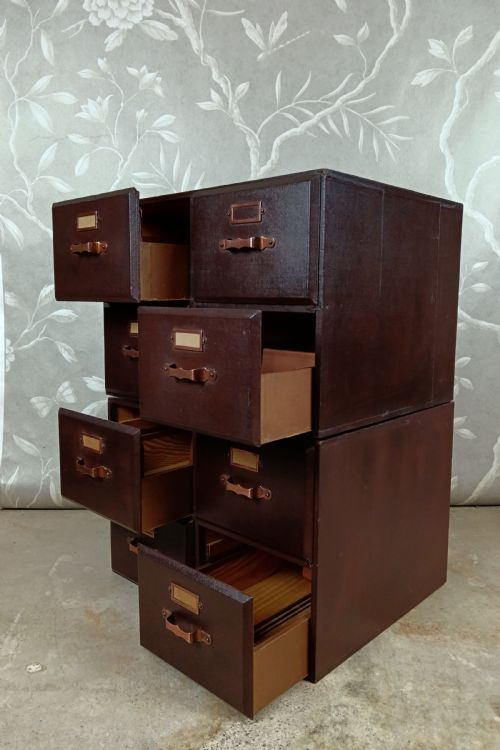
Library card filing sets preserve the quiet clatter of twentieth-century administration.
What varies in quality
Quality rests in the selection of timber figures and the precision of veneer work, particularly on Art Deco pieces featuring burr walnut or ash. Superior examples showcase seamless integration of sliding glass, tambour tracks, and bespoke hardware.
Maker attribution elevates certain pieces, with recognised firms and designers demonstrating superior joinery and proportional balance. The complexity of internal fittings, such as metamorphic cocktail actions or adjustable library shelves, further distinguishes standard production from finer output.
Heals·Epstein·Bowman Brothers·Reno Wahl Iversen·Dyrlund·Chadwick
The Retro Wood Cabinets Glossary
- Tambour
- A flexible shutter made of narrow strips of wood glued to canvas, allowing smooth movement around curved cabinet fronts. This mechanism appears on Edwardian and later office furniture.
- Marquetry
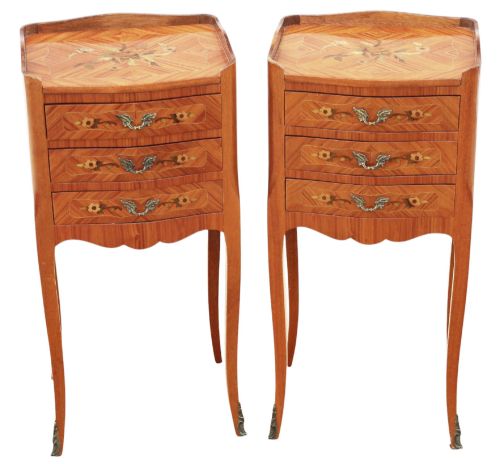
- The art of applying pieces of veneer to a structure to form decorative patterns and pictures. It is commonly found on twentieth-century French bedside tables and nightstands.
- Breakfront
- A piece of furniture whose central section projects forward from the flanking sections. This configuration is seen on library bookcases.
- Metamorphic
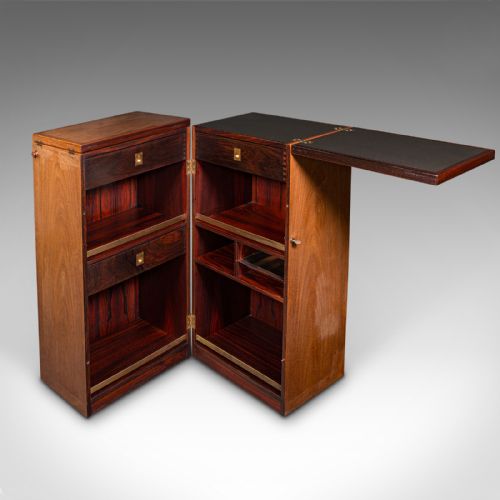
- Furniture designed to transform its function or shape through folding, sliding, or pivoting mechanisms. A notable example is the cocktail cabinet that opens out into a bar.
- Veneer
- A thin layer of superior wood applied to a base timber to provide a decorative surface. Burr walnut and ash serve this purpose on Art Deco pieces.
Retro Wood Cabinets: Frequently Asked Questions
What woods are used?
These cabinets utilise a range of timbers including oak, walnut, mahogany, birch, and ash. Cabinetmakers also applied wood veneers such as burr walnut and sycamore to create decorative surfaces.
Solid woods provide the structural framework for heavier items like wardrobes and filing sets, while veneers highlight the grain patterns on twentieth-century case furniture.
How do I date them?
Dating relies on stylistic markers, construction techniques, and materials associated with specific decades. Edwardian pieces often feature traditional oak framing, while 1920s items include industrial filing sets and shop display cases.
Art Deco designs from the 1930s display geometric veneering and distinct hardware. Mid-century pieces from the 1960s introduce Scandinavian forms and metamorphic bar mechanisms.
Are shelves adjustable?
Many cabinets feature adjustable shelving systems to accommodate books, display items, or office supplies. This adaptability is particularly common in Edwardian tambour cabinets and twentieth-century bookcases.
Internal configurations vary by the original purpose of the piece, ranging from library shelving to specialised haberdashery compartments.
Where were they made?
The pieces originate from various workshops and international designers represented in the listings. British makers and retailers produced domestic bookcases and wardrobes, while Danish designers contributed mid-century cocktail cabinets.
French workshops supplied decorative bedside tables utilising marquetry techniques during the early twentieth century.