

Retro Watch
A retro watch brings mechanical character and mid-century design to the wrist, offering dependable timekeeping shaped by decades past.
Retro Watch
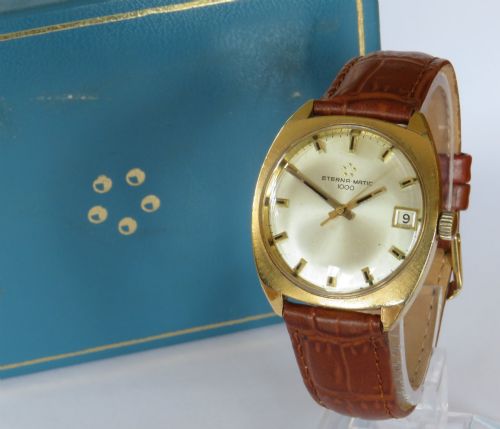
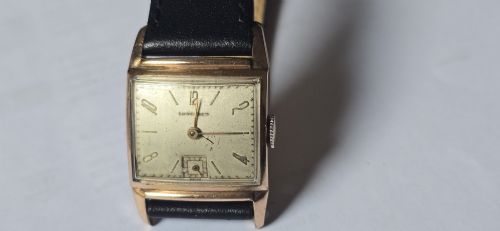
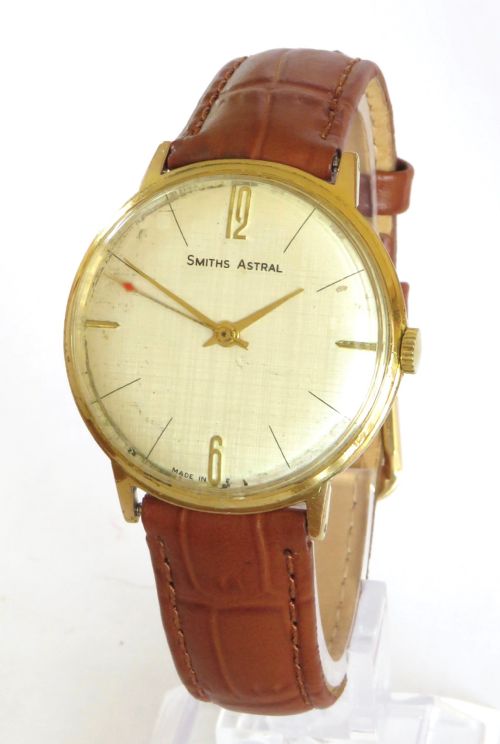
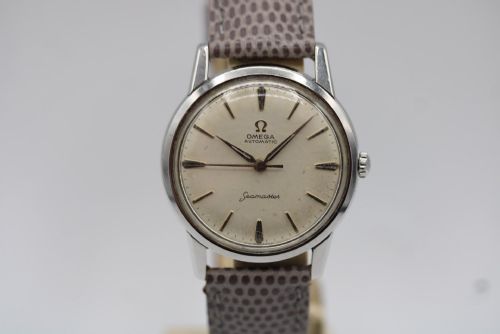
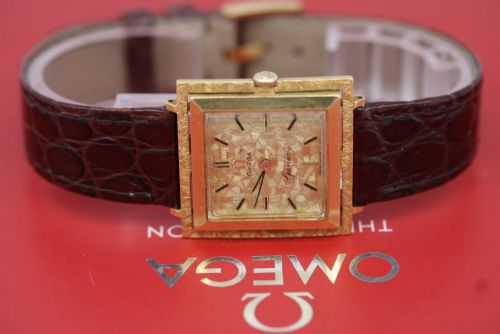
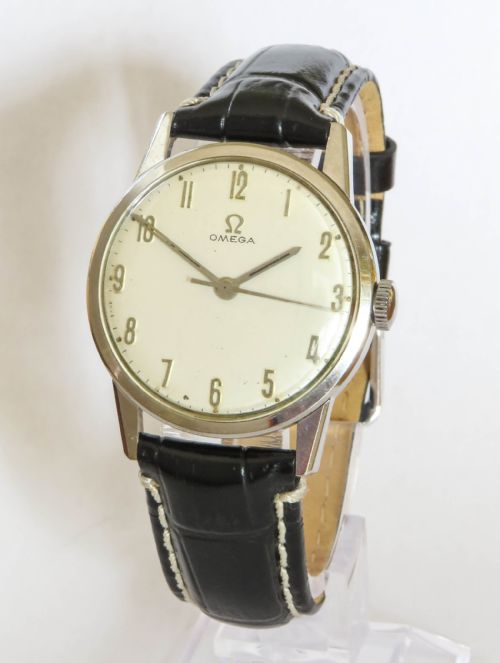
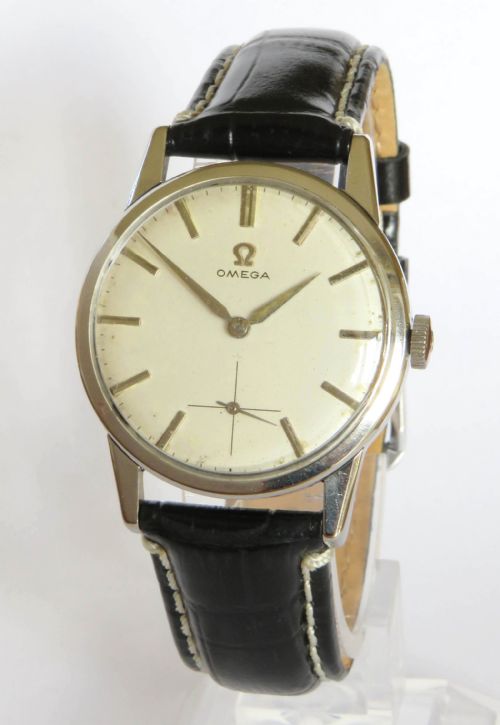
When you search for a retro watch, you encounter timepieces spanning the 1920s to the 1970s, encompassing wristwatches, cocktail watches, and pocket watches. The selection heavily favours mid-century examples from the 1950s and 1960s, reflecting shifts in post-war design and industrial production.
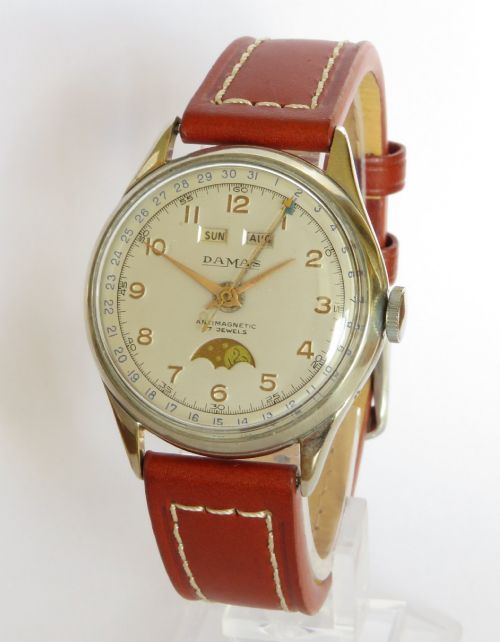
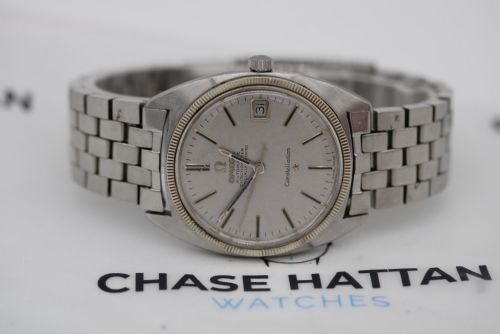
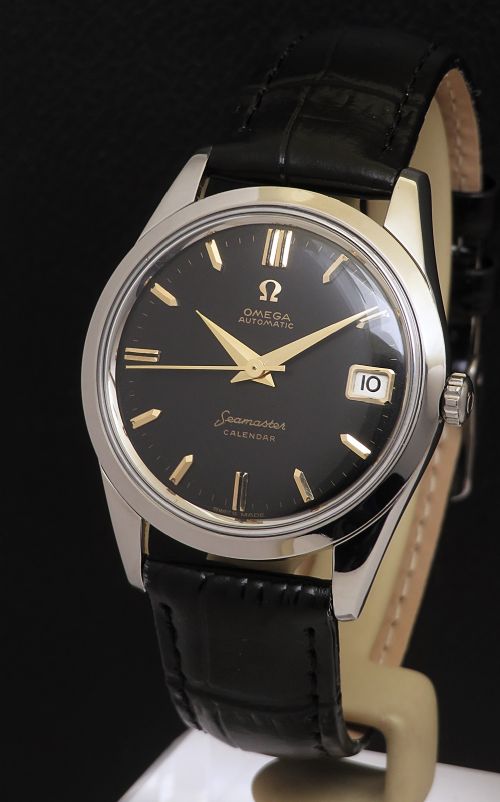
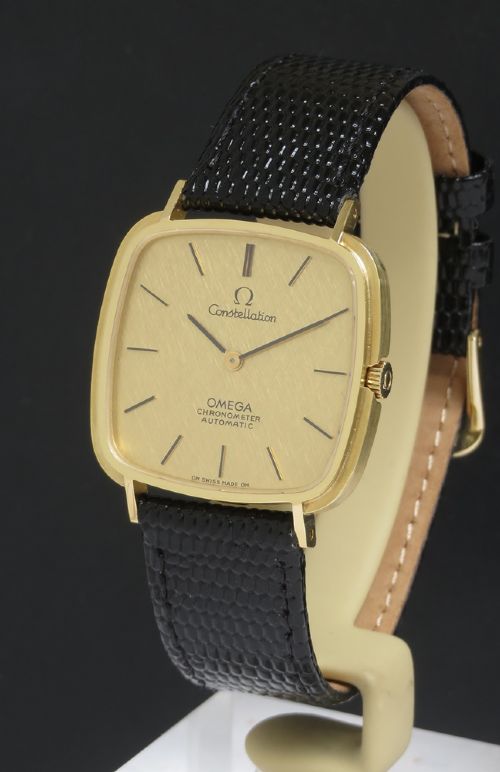
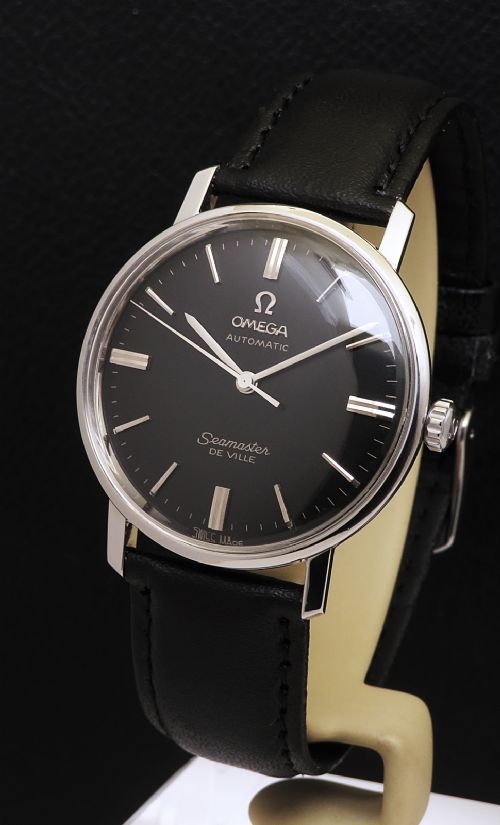
Most entries are gents wristwatches housed in stainless steel, gold-plate, or solid gold cases. Forms range from simple manual wind models to complex automatic chronographs and calendar displays, originating from Swiss and international makers active during these decades.
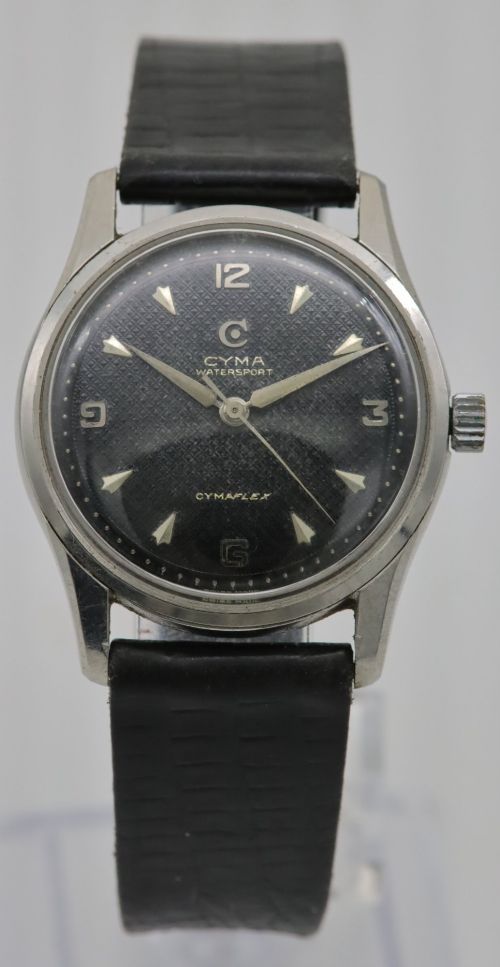
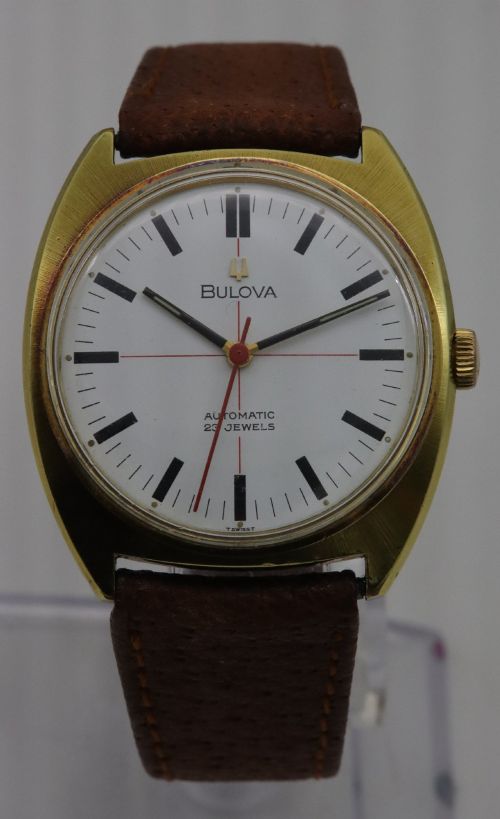
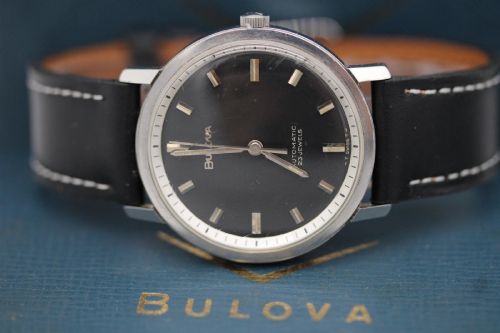
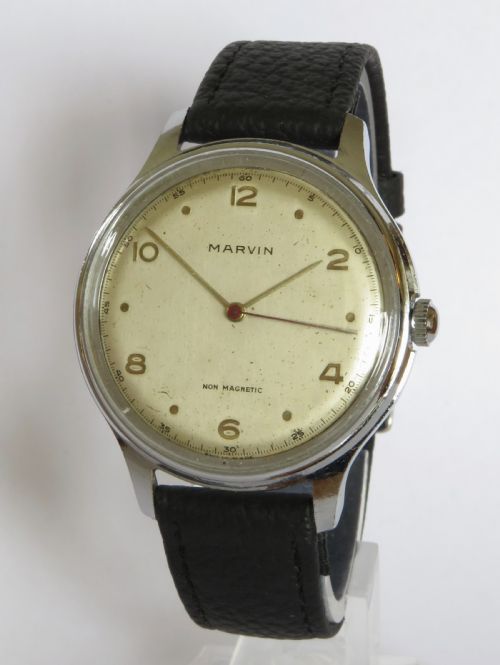
Dial variations define much of the visual interest, moving from plain numerals to textured finishes, black dials, and patinated surfaces. These objects document the evolution of everyday accessories from utilitarian pocket pieces to styled wrist instruments.
How they were made
Cases utilise metals such as stainless steel, chrome, and gold plate alongside solid 18ct or 9ct gold, paired with glass or acrylic glass crystals to protect the dial. Movements rely on mechanical gears, springs, and manual wind or automatic calibres assembled by specialised horologists.
Straps and fastenings commonly employ leather, while dials feature printed markers, applied batons, and subsidiary seconds or chronograph sub-dials. Engineering prioritised mechanical reliability, leading to dust-resistant and waterproof designs like bumper automatics.
Retro Watch Retail Price Guide 2026
Typical asking prices for retro watch among the pieces listed under this phrase on Sellingantiques today, from the lower quarter to the upper quarter. They describe what is for sale here now, not the wider market.
Some vintage dials feature charming typographic errors or quirky font choices born before computer-generated precision.
What varies in quality
The degree of original preservation separates standard examples from exceptional survivals, particularly when dials remain untouched rather than repainted. Original boxes, papers, and factory-correct components elevate the historical integrity of a piece.
Complexity of movement also dictates distinction, moving from basic manual wind calibres to chronometer-certified automatic chronographs with specialised complications. Case metal selection, such as solid gold versus gold plating, further marks the upper tiers of production.
Bulova·Omega·Marvin·Smiths·Tudor·Hamilton·Seiko·Gruen·Roamer·Bucherer
The Retro Watch Glossary
- Calibre
- The specific internal mechanical movement manufactured for a watch. This identifier helps match a movement to its production era.
- Chronograph
- A watch equipped with a stopwatch function alongside standard timekeeping. These models use subsidiary dials to track elapsed seconds and minutes.
- Manual wind
- A mechanical movement powered by hand-winding the mainspring through the crown daily. This system predates widespread automatic winding technology.
- Acrylic glass
- A lightweight, shatter-resistant synthetic material used for watch crystals during the mid-century period. It can be polished to remove surface scratches.
- Patinated dial
- A dial surface that has aged naturally over time, showing colour shifts or texture. Collectors value this honest sign of historical progression.
Retro Watch: Frequently Asked Questions
What is a bumper automatic movement?
A bumper automatic uses a oscillating weight that swings back and forth within a limited arc rather than rotating fully360 degrees. Springs cushion the weight, creating a distinct physical tap on the wrist as the mainspring winds.
This mechanism represents an early stage of self-winding technology found in mid-century wristwatches before full rotor systems became standard industry practice.
How do I identify the decade of a watch?
Dating relies on interior movement serial numbers, case style designs, and typography used on the dial. Mid-century pieces often feature clean geometric markers, while earlier models lean towards pocket watch adaptations.
Matching reference numbers against manufacturer archives provides the most accurate production date for Swiss and international timepieces.
Are these watches suitable for daily wear?
Vintage timepieces require more care than modern equivalents due to their age and mechanical complexity. Most lack contemporary water resistance standards and should be kept away from moisture.
Regular servicing by a qualified horologist ensures that lubricants remain fresh and gears operate without excessive friction during regular use.
What does a chronograph complication do?
A chronograph integrates independent sweep hands that measure elapsed time intervals on command. Pushers on the side of the case start, stop, and reset the stopwatch function.
This complication was utilised by aviators and technicians who required precise measurement capabilities alongside standard timekeeping.