





Retro Wall Lighting
Retro wall lighting brings genuine period character to a room through original fixtures that blend functional illumination with striking mid-century and art deco design.
Retro Wall Lighting
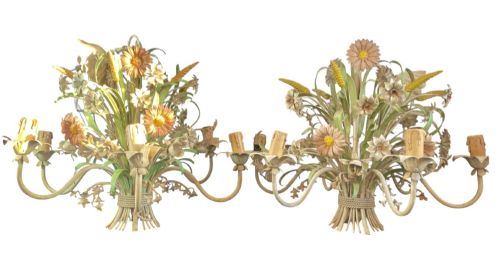
When you search for retro wall lighting, you encounter distinctive fixtures predominantly rooted in the 1930s art deco period alongside select Edwardian, 1920s, and 1950s pieces. These items primarily manifest as wall lights and wall sconces designed to mount directly onto domestic surfaces.
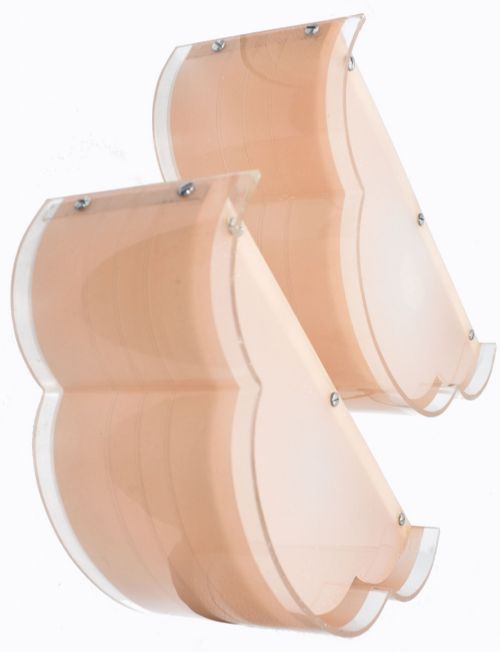
The selections available here feature matching pairs and single fittings, frequently utilising cloud shapes, flame motifs, and empire torch designs. Alongside conventional glass and metal sconces, the category occasionally spans unexpected forms such as an illuminated ceramic wall standing fountain and period paintings.
You are most likely to meet chrome and glass combinations from the 1930s, often bearing the characteristic geometric lines of art deco or the sleek aesthetics of mid-century French and modern styles.
How they were made
These fixtures rely on a combination of metalwork and specialised glass production, utilising chrome plating, brass, bronze, and solid metal to form the structural bodies. Bakelite and catalin appear as innovative early plastics for mounts and switch housings, while lucite occasionally provides alternative transparent elements.
The optical components depend on moulded glass, frosted glass, and amber frosted glass to diffuse illumination softly across living spaces. Makers shaped these materials into specific silhouettes like cloud forms and flame profiles, securing them to metal backplates with precision engineering typical of the era.
Retro Wall Lighting Retail Price Guide 2026
Typical asking prices for retro wall lighting among the pieces listed under this phrase on Sellingantiques today, from the lower quarter to the upper quarter. They describe what is for sale here now, not the wider market.
What varies in quality
The distinction between standard examples and superior specimens rests upon the integrity of the original materials and the sophistication of the decorative styling. Pieces combining chrome plating with tactile moulded glass or genuine catalin bakelite demonstrate higher manufacturing ambition than plain metal alternatives.
Design complexity also dictates the tier of the piece, moving from simple utilitarian brackets to matched pairs featuring elaborate cloud shapes or empire torch castings. The preservation of original finishes on bronze, brass, and chrome surfaces preserves the aesthetic authority of the object.
The Retro Wall Lighting Glossary
- Art Deco
- A design style characterised by sleek geometric shapes, streamlined forms, and modern industrial materials that dominated the 1920s and 1930s. It remains the defining aesthetic for the majority of these wall fixtures.
- Catalin
- A cast phenolic formaldehyde resin prized for its rich colours and use in decorative hardware during the art deco era. It provides distinct tactile warmth compared to standard modern plastics.
- Frosted Glass
- Glass treated to impart a milky, translucent appearance that softens bulb glare and diffuses light evenly. It was widely utilised in boudoir and hallway sconces to create gentle ambience.
- Wall Sconce
- A decorative lighting fixture fixed to a wall where the support is typically as ornamental as the light source itself. These units project illumination outward and upward to accent interior spaces.
- Lucite
- A brand of transparent thermoplastic acrylic resin introduced in the mid-twentieth century. It offered designers a durable, lightweight alternative to traditional glass elements.
Retro Wall Lighting: Frequently Asked Questions
How do I wire vintage wall lights?
These fixtures require professional rewiring to meet modern electrical safety standards before installation in a domestic property. A qualified electrician can easily adapt the original internal channels for contemporary domestic circuits.
Most units mount securely onto standard wall junction boxes using their existing backplates. Care should be taken to preserve original brass, bronze, or chrome hardware during the mounting process.
What rooms suit art deco wall lights?
Bedrooms, hallways, and living spaces benefit greatly from the warm, diffused illumination provided by frosted glass and chrome sconces. Matching pairs work particularly well flanking a mirror, fireplace, or headboard to create balanced symmetry.
The compact projection of wall lights makes them ideal for circulation areas where floor space is limited. They supply layered accent lighting rather than harsh overhead glare.
How do I identify a 1930s wall light?
Look for characteristic material combinations such as chrome plating paired with moulded or frosted glass. Geometric silhouettes, flame motifs, and cloud-shaped shades point directly to art deco design conventions of that decade.
The presence of early synthetic materials like bakelite or catalin on the fixtures further confirms the period origin. Construction techniques typically involve heavy metal backplates designed for rigid wall mounting.
Are replacement shades available for old sconces?
Original glass shades are specific to their matching frames and mounting collars, making exact replacements challenging to source separately. Buying matched pairs ensures consistency in both glass texture and light diffusion.
When living with these pieces, handle the moulded and frosted glass components with care during maintenance. Gentle cleaning preserves the historic finish of both the glass and the surrounding metalwork.