



Retro Table Stands
Retro table stands bring practical display surface and period character to a room, ranging from occasional furniture to fitted mirrors and globes.
Retro Table Stands
When you search for retro table stands, you find a mixed group of supporting furnishings and decorative fixtures designed for display or utility. The selection spans several decades, with items originating from the Victorian era through the 1920s, 1930s, 1940s, and 1950s.
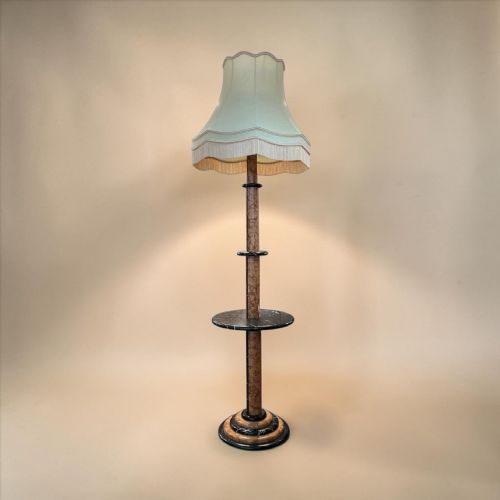
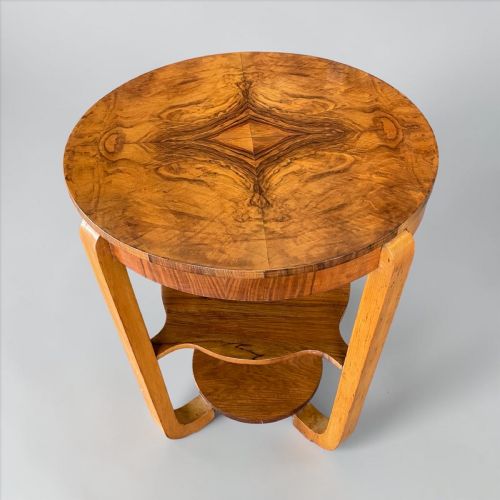
The most common forms on this page include occasional and side tables, alongside vanity mirrors, globes, and table lamps. These pieces function both as independent decorative objects and as structural supports for lighting and small items.
Stylistically, the pieces draw upon Art Deco, Mid-Century Modern, and Traditional British aesthetics, reflecting the design shifts of their respective periods.
How they were made
Globes employ paper mache construction alongside terrestrial cartography, and mirrors incorporate folding brass frames and easel backs. Surface finishes include silver plating on smaller holders alongside polished metal and timber elements.
Retro Table Stands Retail Price Guide 2026
Typical asking prices for retro table stands among the pieces listed under this phrase on Sellingantiques today, from the lower quarter to the upper quarter. They describe what is for sale here now, not the wider market.
A nude figure standing on a ball supports one particular 1940 Art Deco table lamp, balancing illumination with theatrical flair.
What varies in quality
Quality separates mass-produced utility items from substantial furnishings through the choice of primary materials. The presence of solid marble and heavy brass distinguishes the higher-end tables and lamps from lighter constructions.
The precision of mechanical joints in folding mirrors and the clarity of printed detail on globes indicate the standard of manufacture. Finer pieces demonstrate robust structural integrity in their stands alongside intact original plating or glass.
The Retro Table Stands Glossary
- Art Deco
- A design style characterised by sleek geometric lines and stylised motifs, prominent during the 1920s and 1930s. It appears frequently across the mirrors and occasional tables in this selection.
- Easel mirror
- A freestanding mirror supported by a hinged prop at the rear, allowing adjustable viewing angles on a tabletop. These often feature folding panels or decorative brass frames.
- Occasional table
- A small, movable piece of furniture designed for specific, intermittent use rather than central seating arrangements. They often incorporate marble tops or auxiliary shelf space.
- Terrestrial globe
- A spherical map of the Earth mounted on an axis and stand, functioning both as an educational instrument and a decorative object. Historical examples use paper mache construction over a core.
Retro Table Stands: Frequently Asked Questions
What is a retro table stand?
A retro table stand is a functional or decorative furnishing from past decades, designed to sit upon or support items like lamps, mirrors, and globes.
These pieces reflect the design tastes of periods ranging from the Victorian era to the mid-twentieth century.
How do I date a table stand?
Dating relies on identifying period-specific construction materials, such as heavy brass, chrome, and solid marble, alongside characteristic design styles.
Art Deco geometry and Victorian casting methods offer clear chronological markers for these items.
Where were these stands used?
These items were placed on desks, dressing tables, and side surfaces in parlours, studies, and bedrooms for daily utility.
Mirrors and globes served functional or navigational purposes, while smaller stands held menu cards or place settings.
Are globes and mirrors considered stands?
In this category, globes and table mirrors include built-in mounting stands or easel supports that elevate them above the furniture surface.
The supporting brass or wooden framework forms an integral part of the overall object.