


Retro Table Lighting
Retro table lighting brings character and task illumination to a room, spanning decades of functional design from Victorian oil burners to Art Deco chrome desk lamps.
Retro Table Lighting
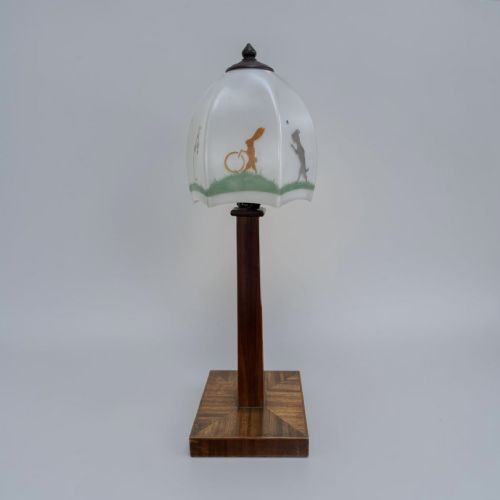
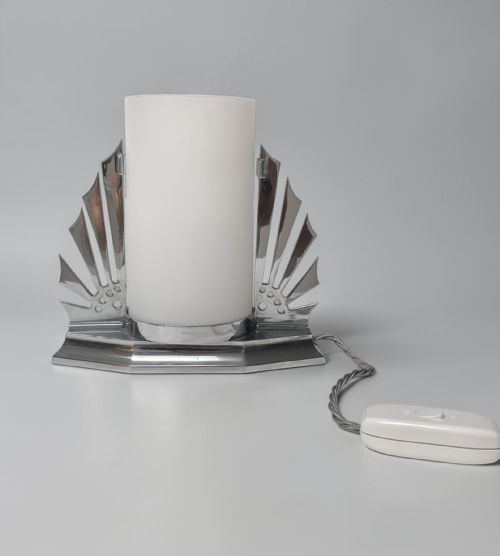
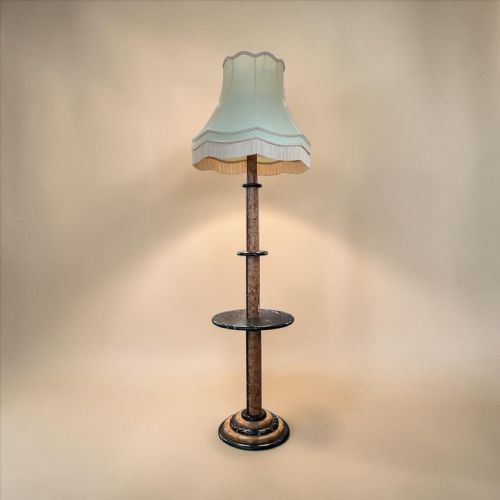
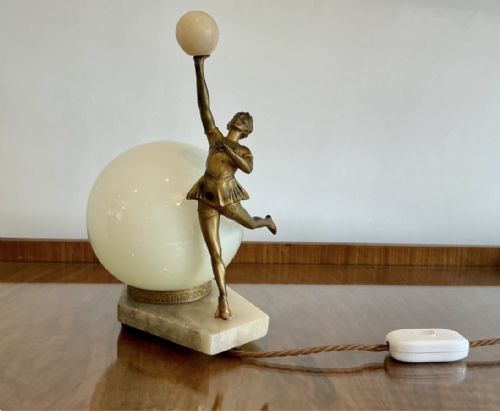
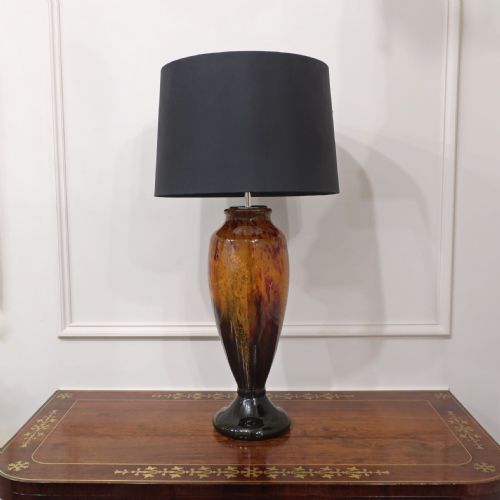
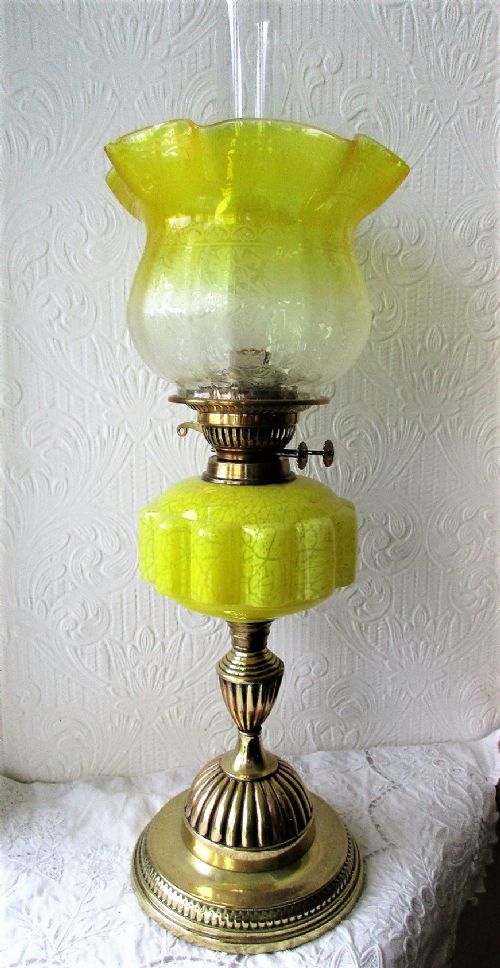
When you search for retro table lighting, you encounter domestic fixtures designed to sit on desks, sideboards and tables across various past eras. The selection draws heavily from the 1920s and 1930s, featuring Art Deco desk lamps, adjustable metal task lights and decorative figural pieces alongside earlier Victorian oil lamps.
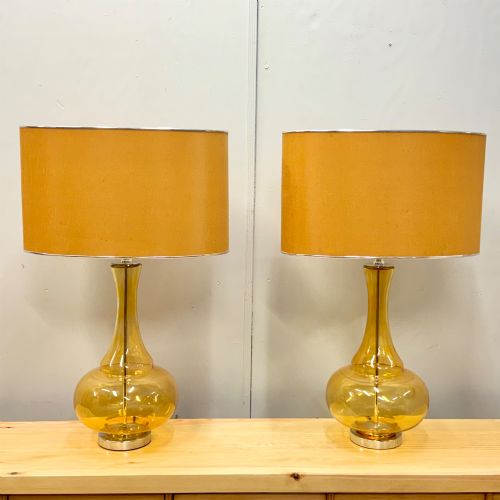
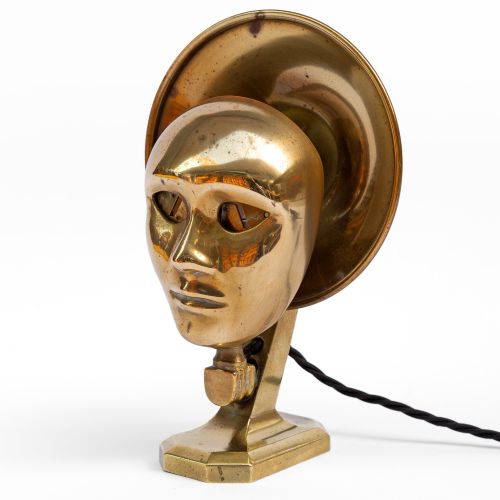
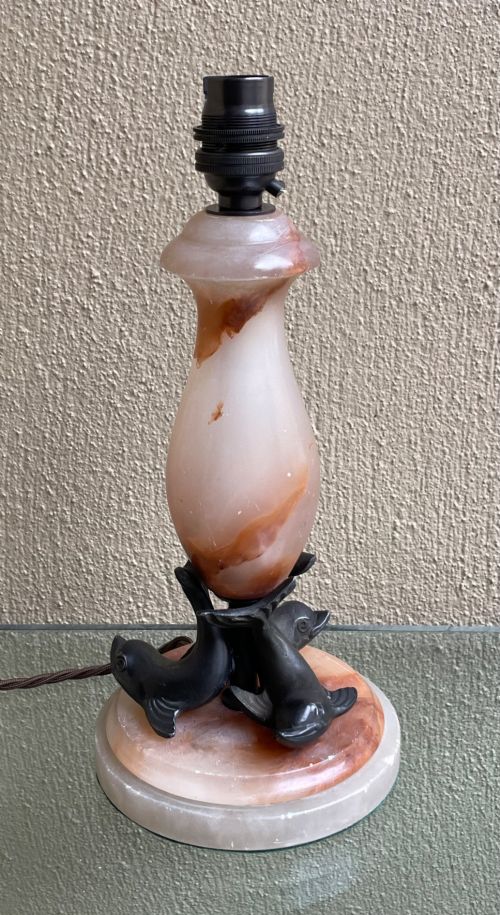
The forms range from heavy marble and brass standards to moulded opaline glass, amber glass, and celluloid shades. Many pieces merge utility with decorative sculpture, incorporating motifs like animals, human figures and geometric zig-zags.
How they were made
Manufacturers utilised a mix of metals including brass, chrome and iron alongside carved stone such as marble and alabaster. Desk lamps often integrated mechanical adjustment joints, flexible arms and weighted bases to maintain stability.
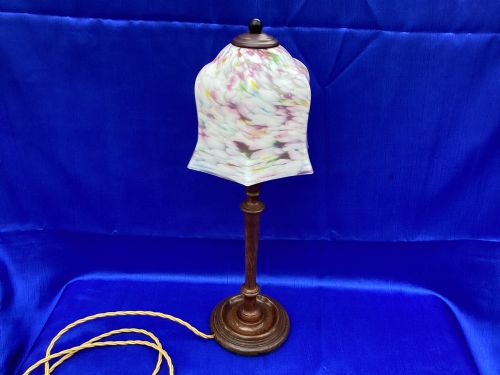
Glass production played a central role, utilising techniques from cut crystal and mottled coloration to opaque opaline and Murano work. Electrical components, bakelite switches and fabric shades completed the construction of these functional objects.
Listings feature items spanning the 19th Century, Victorian, Edwardian, 1920, 1930, and 1940 periods in glass, brass, metal, chrome, fabric, marble, opaline glass, and alabaster.
What varies in quality
The distinction between standard utility items and finer examples rests on the grade of materials and the integrity of the design. Heavy cast brass, genuine carved alabaster, and uncompromised moulded glass signify superior construction compared to lighter base metals and painted substitutes.
Completeness and originality dictate the standing of a piece. Original shades, functioning adjustable mechanisms, and intact makers' components separate well-preserved specimens from heavily altered or restored examples.
Herbert Terry·Eileen Grey
The Retro Table Lighting Glossary
- Art Deco
- A design style dominant in the 1920s and 1930s characterised by geometric shapes, streamlined forms and modern industrial materials.
- Opaline glass
- A milky, semi-translucent glass developed in various pastel shades, frequently utilised for decorative lamp shades and bodies.
- Bakelite
- An early form of synthetic plastic used widely for electrical switches, bases and desk lamp fittings during the interwar period.
- Alabaster
- A fine-grained, translucent stone carved into urns, bases and sculptural lamp components.
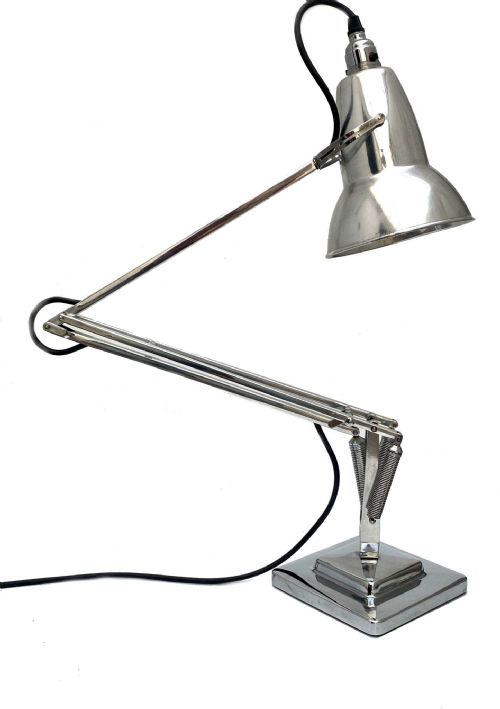
- Anglepoise
- A type of balanced mechanical desk lamp utilising springs and adjustable arms to direct light precisely.
Retro Table Lighting: Frequently Asked Questions
Are these lamps safe to use today?
Many vintage and antique lamps retain older wiring that requires inspection or professional rewiring to meet modern safety standards. Buyers should check internal cables and lamp holders before daily use.
Solid metal and glass components remain durable, but textile cords and original plugs often benefit from replacement while preserving the external appearance.
Can I replace missing lamp shades?
Finding exact period-matching replacement shades requires patience, as many lamps relied on bespoke glass or fabric designs. Opaline, amber and cut crystal shades appear separately on the market.
When original replacements prove difficult to source, complementary period-style silk or glass shades restore the silhouette without misrepresenting the piece.
How were bankers desk lamps used?
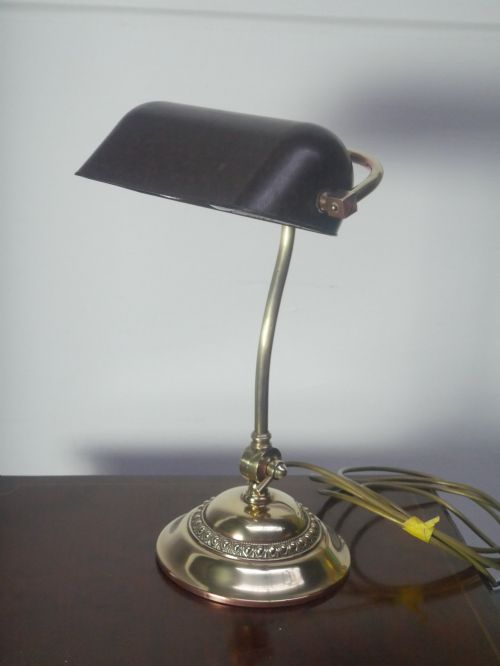
Bankers desk lamps served as functional task lighting in offices, libraries and administrative spaces during the early twentieth century. Their directional shades reduced glare for extended reading and paperwork.
Today, they function effectively on modern workspaces or side tables, providing focused downward illumination combined with distinct period aesthetics.