





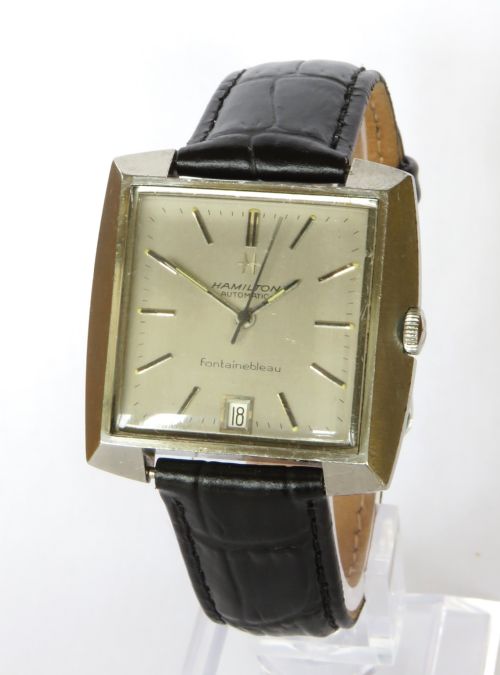
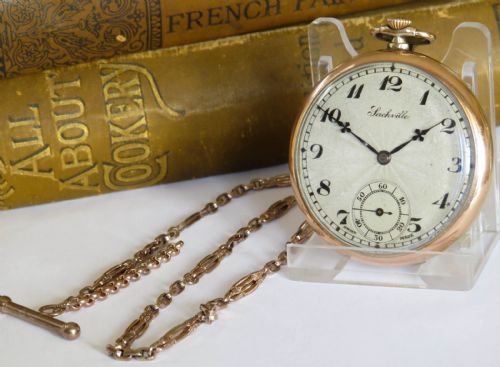
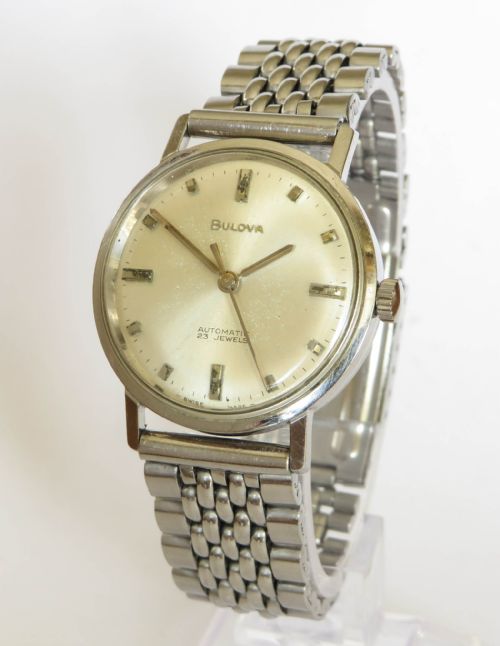
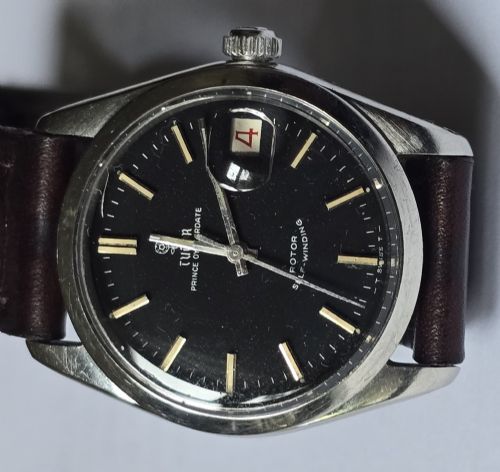
Retro Swiss Watch
A retro swiss watch carries the mechanical precision and distinctive design language of mid-century horology.
Retro Swiss Watch
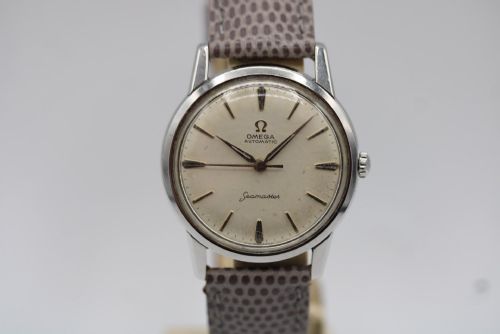
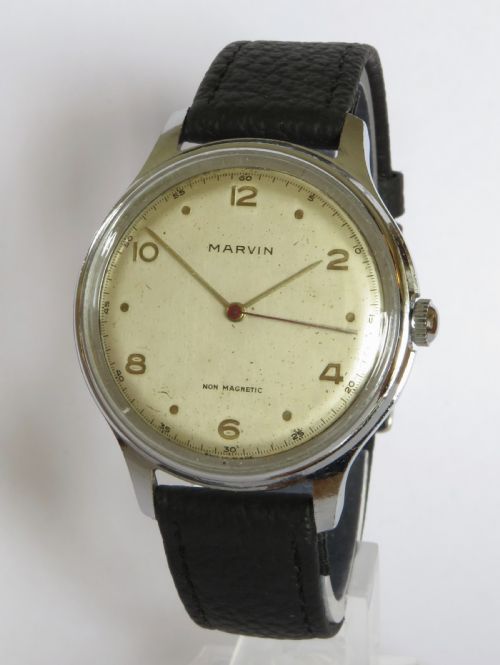
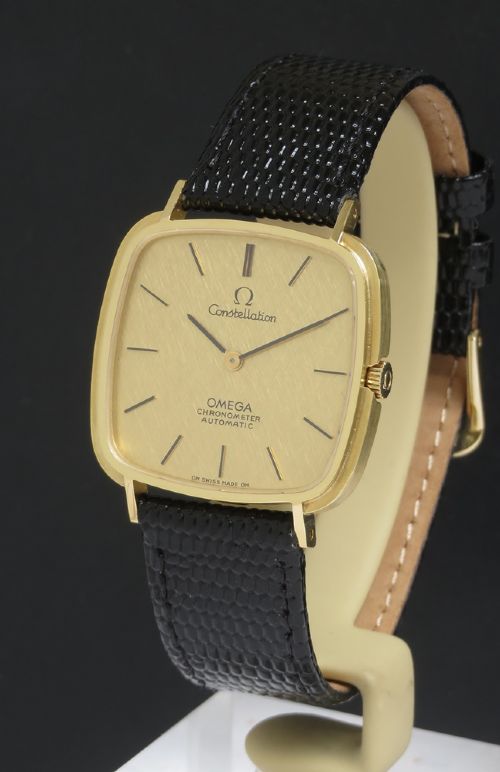
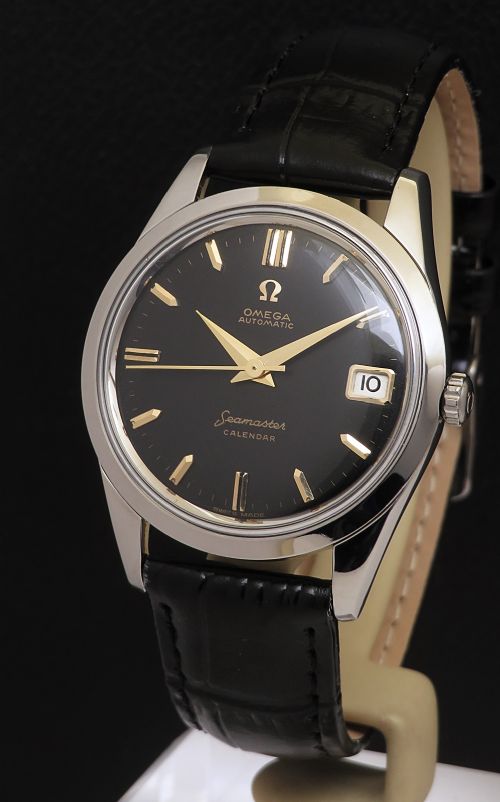
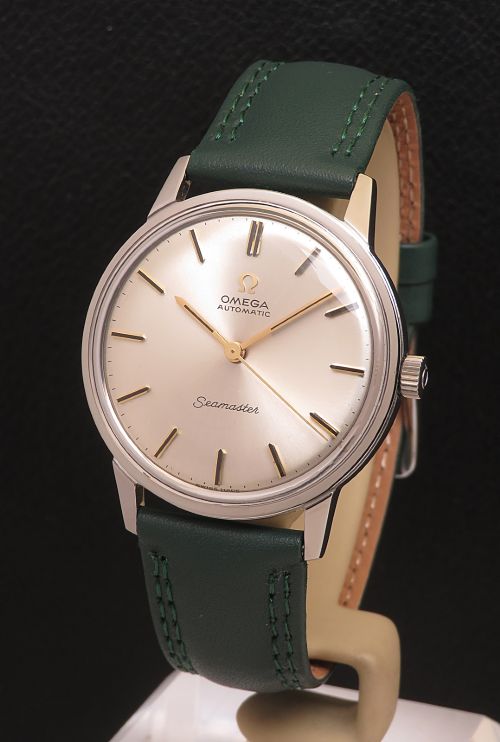
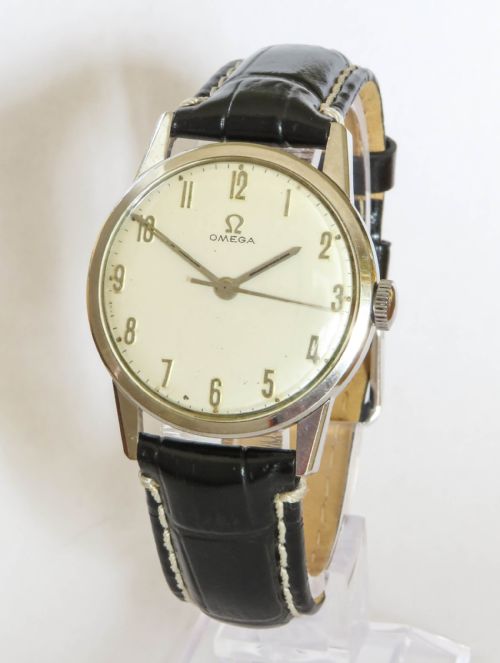
When searching for a retro swiss watch, collectors encounter a diverse selection of wristwatches and pocket watches spanning several decades of European craftsmanship. These horological pieces showcase the evolution of timekeeping from early pocket formats to robust automatic wrist models.
The pieces available on this page lean heavily towards mid-century designs, particularly from the 1950s and 1960s, alongside earlier examples from the 1920s, 1930s, and 1940s. Wristwatches dominate the selection, featuring both gents and ladies variants defined by distinct stylistic periods such as Art Deco and Mid-Century Modern.
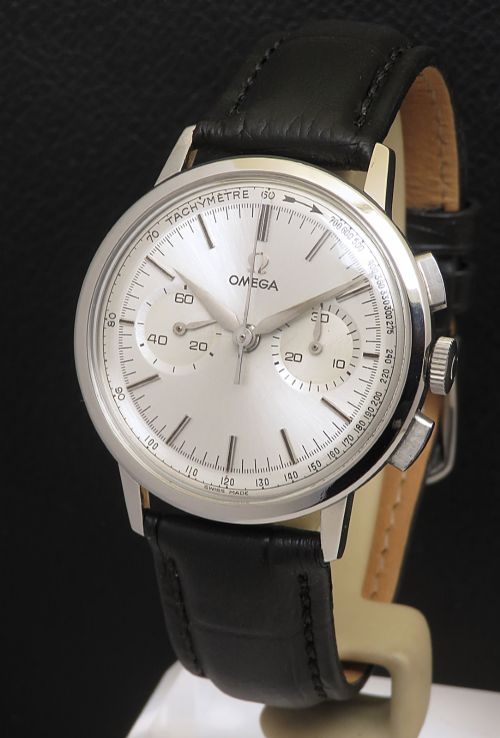
Makers represented in these listings include established Swiss houses and international watchmakers like Omega, Tudor, Hamilton, Bulova, and Tissot. Each piece reflects the aesthetic priorities of its decade, from minimalist dials to complex chronographs and calendar complications.
Materials and construction
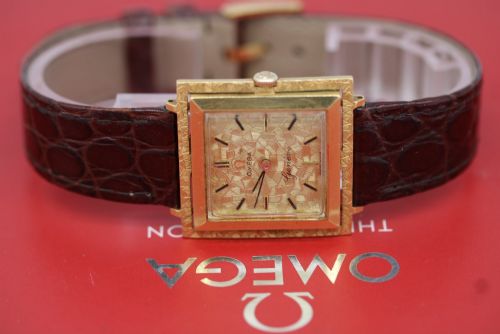
Cases utilise a range of metals spanning durable stainless steel and chrome, alongside warmer tones of gold plate and solid 9ct or 18ct gold. These materials are paired with leather straps to secure the watch to the wrist.
Dial protection relies on transparent components formed from glass or acrylic and acrylic glass. Movements within these housings incorporate complex mechanical engineering, utilising automatic winding mechanisms and specialised calibres.
Retro Swiss Watch Retail Price Guide 2026
Typical asking prices for retro swiss watch among the pieces listed under this phrase on Sellingantiques today, from the lower quarter to the upper quarter. They describe what is for sale here now, not the wider market.
Some vintage dials have aged with a charming speckled patina, affectionately known among collectors as tropical.
Assessing quality and pedigree
The upper tier of these timepieces is distinguished by the presence of original packaging, historical paperwork, and solid precious metal construction such as 18ct gold. Factory originality in components like dials and movements elevates a piece significantly.
Execution and complication complexity also define the hierarchy, with specialised chronograph movements and chronometer-grade certifications marking out superior examples from standard automatic time-only models.
Omega·Tudor·Hamilton·Bulova·Tissot·Cyma·Roamer·Gruen
The Retro Swiss Watch Glossary
- Chronograph
- A watch with a stopwatch function alongside its standard timekeeping display. These complications allow the wearer to measure elapsed time using dedicated sub-dials and pusher buttons on the case.
- Calibre
- The specific internal mechanical movement manufactured for a watch. Collectors study these distinct movement designations to understand the engineering pedigree of a given timepiece.
- Chronometer
- A high-precision watch that has passed rigorous accuracy tests conducted by official testing bodies. Such certification guarantees superior timekeeping performance under varied conditions.
- Automatic
- A self-winding mechanical movement that uses the natural motion of the wearer's arm to power the mainspring. This system removes the need for daily manual winding.
- Acrylic Glass
- A lightweight, shatter-resistant plastic material used for crystal watch covers during the mid-century period. It offers a distinctive warm distortion when viewed at sharp angles.
Retro Swiss Watch: Frequently Asked Questions
How do I wind an automatic watch?
Automatic watches wind themselves through the movement of your wrist during daily wear. If the watch has stopped completely, give the crown a few gentle manual turns to jump-start the internal mechanism before wearing.
Avoid overwinding vintage pieces, and store them securely on a flat surface or in a watch box when not in use for extended periods.
Can I swim with a vintage swiss watch?
Vintage timepieces generally lack modern waterproof seals, gaskets, and screw-down crowns. Exposure to water can easily damage the delicate internal movement and cause irreversible corrosion to the dial.
It is best to keep these historic pieces away from water entirely, removing them before swimming, showering, or washing hands.
What is a bumper movement?
A bumper movement is an early type of automatic winding mechanism where the oscillating weight swings back and forth within a limited arc rather than rotating fully. You can often feel a gentle tap against the internal spring buffers as the weight moves.
This technology represents an important transitional phase in mid-century horological engineering before full rotor automatic movements became standard.
How should I store my watch collection?
Store your watches in a dry, temperature-controlled environment away from direct sunlight and strong magnetic fields. A dedicated watch box with soft linings protects the cases and leather straps from scratches and environmental wear.
For mechanical pieces that are not worn frequently, periodic gentle winding keeps the oils within the movement distributed properly.