

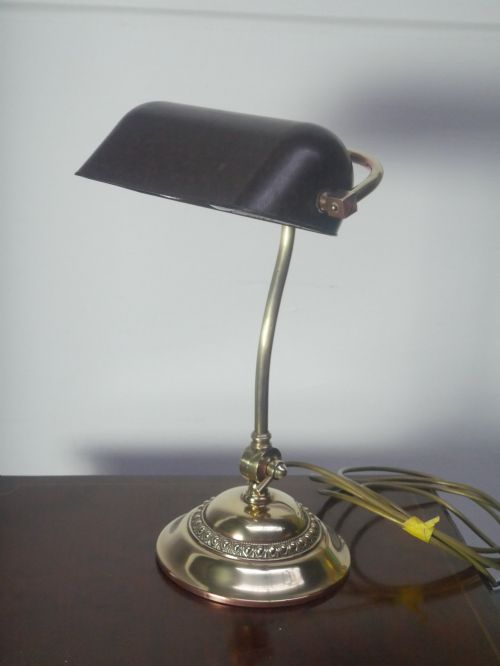


Retro Study Table
A retro study table brings focused workspace lighting and practical writing surfaces together, offering sturdy oak forms and adjustable metal task lamps for the home office.
Retro Study Table
A retro study table combines functional workspace furniture with period lighting accessories, gathering items such as oak pedestal office desks and adjustable task lamps into one purposeful category. These pieces serve as the practical centrepiece of a traditional home office or library, designed specifically for reading, writing, and administrative tasks.
The most common versions encountered here are sturdy timber desks paired with directional metal illumination from the early twentieth century. Pieces range from Victorian terrestrial globes to Art Deco oak office desks and flexible brass or chrome lamps, creating a cohesive workspace rooted in historical design periods.
Materials and construction
Construction relies heavily on durable hardwoods like oak, often shaped into pedestal office desks featuring fitted drawers and panelled sides. Surfaces occasionally incorporate leather inserts to provide a smooth writing plane that resists daily wear.
Lighting fixtures utilise resilient metals including brass, chrome, copper, cast iron, and tôleware, combined with paper mache or glass components for shades. Flexible joints and adjustable arms allow the lamps to direct light precisely where needed across the desk surface.
Retro Study Table Retail Price Guide 2026
Typical asking prices for retro study table among the pieces listed under this phrase on Sellingantiques today, from the lower quarter to the upper quarter. They describe what is for sale here now, not the wider market.
Current listings feature desk lamps, globes, and office desks spanning the Victorian period through the 1940s.
Judging quality
Quality rests upon the integrity of the materials and the precision of the mechanics, distinguishing heavy cast metal desk lamps with original shades from simpler later iterations. Smooth articulation in adjustable arms and well-preserved maker labels elevate an object's standing.
The distinction between standard utility items and finer examples lies in the selection of cabinet timbers, such as figured oak or Macassar ebony, and the retention of original surface patination. Superior items maintain their complete mechanical apparatus and authentic finishing details without modern replacement parts.
Eileen Grey·Hawkins·Geographia
The Retro Study Table Glossary
- Pedestal desk
- A heavy writing table supported by two separate stacks of drawers flanking a central kneehole. This form provides substantial storage beneath the main working surface.
- Tôleware
- Painted or enamelled sheet metal utilised for lamp shades and decorative objects during the Art Deco period. It offers a smooth, glossy colour finish that directs task light downward.
- Terrestrial globe
- A spherical map of the Earth mounted on a rotating axis and stand, often produced from paper mache. These educational tools served as standard reference items on historical desks.
- Anglepoise
- A mechanical task lamp utilising tension spring balancing to hold positions dynamically. This British invention revolutionized directional workspace illumination in the early twentieth century.
Retro Study Table: Frequently Asked Questions
What is a retro study table?
A retro study table refers to traditional office furniture and task lighting from historical periods like the Victorian era and the 1930s. It encompasses sturdy timber desks and adjustable desk lamps designed for writing and reading.
These items furnish a functional workspace with period character, combining oak construction with metal illumination accessories.
How do I date a desk lamp?
Dating relies on examining the materials, electrical fittings, and manufacturing methods visible on the piece. Items from the 1920s and 1930s frequently employ heavy brass, cast iron, and tôleware with simple mechanical joints.
Maker labels and specific switch designs further help place the lamp within Art Deco or Edwardian production windows.
How were old office desks used?
Historical office desks served as the primary administrative command centres for correspondence, bookkeeping, and paperwork. Pedestal configurations offered secure drawer storage for ledgers and writing implements.
Paired with adjustable bankers lamps, these surfaces provided targeted illumination for detailed daily labour before widespread overhead electric lighting.
How do I care for oak and brass?
Maintenance requires gentle cleaning with dry cloths to remove dust without stripping the natural patination built up over decades. Harsh chemical polishes should be avoided on both timber and metal surfaces.
Keeping the furniture away from direct heat sources prevents the oak from drying out and preserves the integrity of the joins.