





Retro Storage Chest
A retro storage chest brings practical utility and period character to a room, offering robust housing for clothing, documents, and household items.
Retro Storage Chest
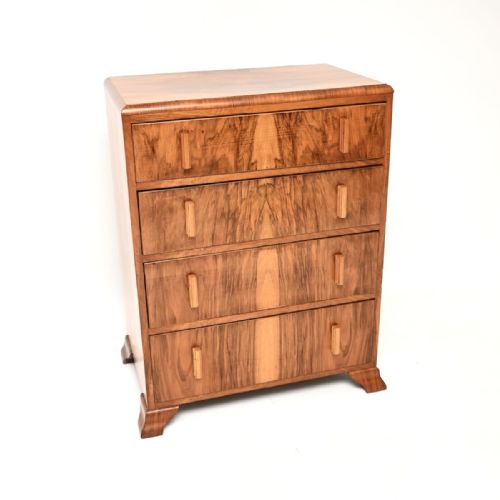
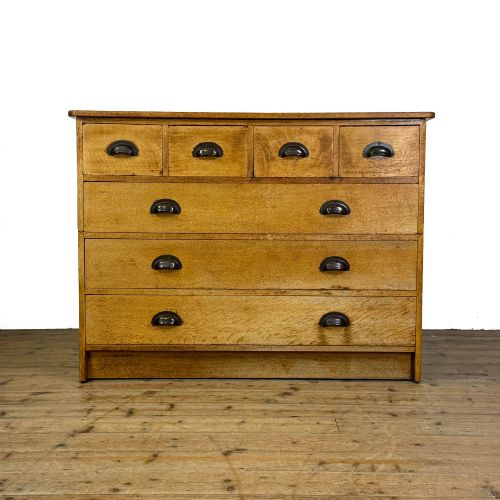
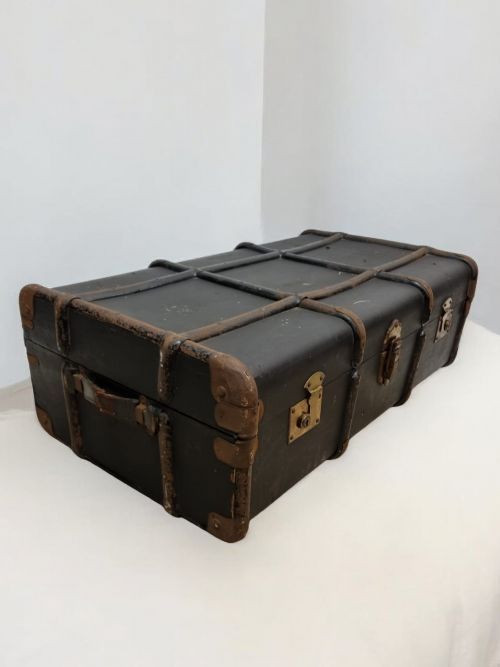
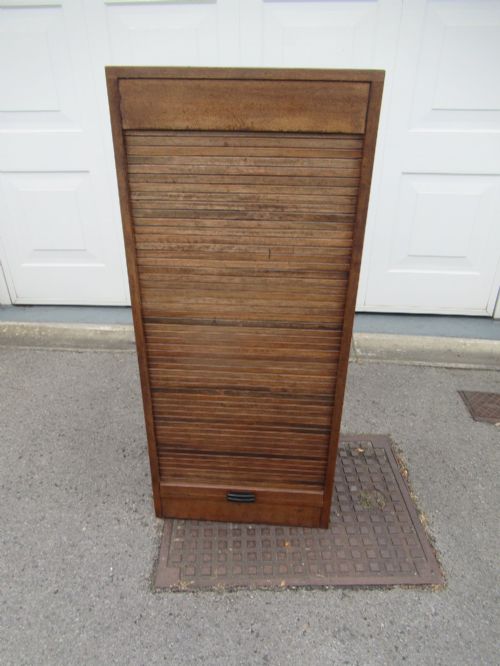
A retro storage chest encompasses a broad mix of practical furniture forms, including chests of drawers, filing cabinets, sideboards, tambour cabinets, storage bins, trunks, sewing boxes, and haberdashery cabinets. Buyers searching this phrase seek utilitarian and domestic storage pieces that span from the Edwardian period through the 1920s and 1930s.
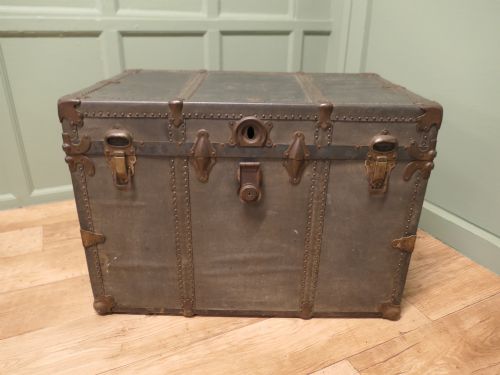
The most common examples on this page are chests of drawers and cabinets constructed in oak, walnut, and various wood veneers, alongside industrial metal bins and travel trunks. These pieces reflect early twentieth-century design movements, specifically Art Deco, Mid-Century Modern, industrial, and utility styles.
Origins and dates visible in the selection range from Edwardian pieces to items dated around 1920 and 1930. Buyers encounter everything from domestic bedroom drawers to commercial haberdashery display cases and factory fire bins.
Materials and construction
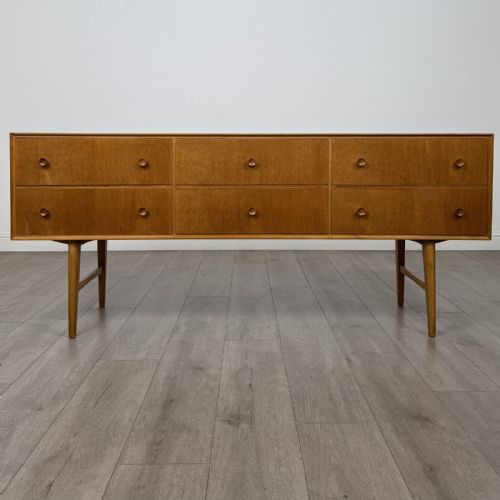
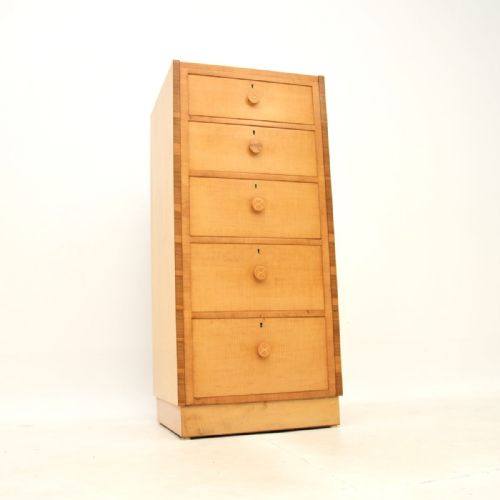
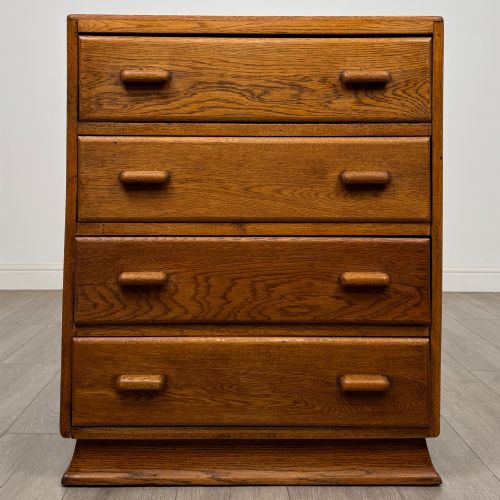
Construction relies heavily on solid timbers and applied veneers, with oak and walnut forming the backbone of domestic pieces like sideboards and chests of drawers. Sycamore and mahogany also appear in specific cabinet and tambour applications, paired with wooden or metal handles.
Industrial and utilitarian examples incorporate metal and brass hardware, original wheels, and specialised mechanisms such as tambour fronts and adjustable internal shelves. Travel trunks and display cases utilise durable wooden carcases reinforced with original hardware for heavy daily use.
Retro Storage Chest Retail Price Guide 2026
Typical asking prices for retro storage chest among the pieces listed under this phrase on Sellingantiques today, from the lower quarter to the upper quarter. They describe what is for sale here now, not the wider market.
The inventory includes commercial and industrial pieces such as factory fire bins on wheels and travel trunks.
Assessing quality and character
Quality in a retro storage chest rests on the integrity of the timber, the grain selection in figured walnut or oak veneers, and the preservation of original working hardware such as tambour mechanisms and brass fittings. Finer pieces demonstrate careful attention to internal joinery and thoughtful detailing like original wooden handles.
Provenance and maker attribution elevate certain examples, particularly those bearing the marks of recognised firms or originating from specific industrial and commercial contexts. The survival of untouched surfaces, original wheels, and specialised interior fittings distinguishes standard utility items from more exceptional survivals.
Hille·Richard Arkwright Masson Mills·Alfred Dunhill·Chadwick’s Sewing Cottons
The Retro Storage Chest Glossary
- Tambour cabinet
- A cabinet featuring a door made of narrow vertical wooden slats glued to a canvas backing, allowing the door to slide trackways in a curve.
- Haberdashery cabinet
- A glass-fronted or multi-drawer display unit originally utilised in shops for storing small sewing goods, ribbons, and cottons.
- Plan chest
- A large, shallow-drawer chest designed specifically for holding architectural drawings, maps, and large sheets of paper flat.
- Wood veneer
- A thin slice of decorative hardwood applied over a secondary timber carcase to display rich grain patterns like figured walnut.
- Utility furniture
- Functional furniture produced under government specifications during and after periods of wartime material rationing.
Retro Storage Chest: Frequently Asked Questions
What periods do these storage chests cover?
The selection spans the Edwardian era through the early twentieth century, with specific examples dated to 1920 and 1930.
Buyers find designs encompassing early utility, Art Deco, and industrial aesthetics from these decades.
How were tambour cabinets used?
Tambour cabinets provided secure storage for documents and office supplies while saving space through sliding slatted doors.
The flexible door track allowed access to internal adjustable shelves without requiring clearance for swinging doors.
Are haberdashery cabinets suitable for home use?
Haberdashery cabinets offer numerous shallow drawers that suit modern storage needs for jewellery, accessories, and small items.
Their glass display fronts and compartmented drawers add distinct visual character to a contemporary interior.
What is the difference between a sideboard and a chest?
Sideboards generally feature a combination of cupboards and drawers intended for dining rooms and living spaces.
Chest of drawers focus strictly on stacked drawer storage primarily designed for bedroom utility.