



Retro Shop Display
These retro shop display pieces bring commercial character into modern rooms through authentic advertising signs, cabinets, and mannequins.
Retro Shop Display
A retro shop display comprises vintage commercial fixtures and promotional objects originally utilised in trade from the 1920s and 1930s. Buyers searching this phrase encounter authentic artefacts designed to showcase merchandise in high streets and emporiums of the early twentieth century.
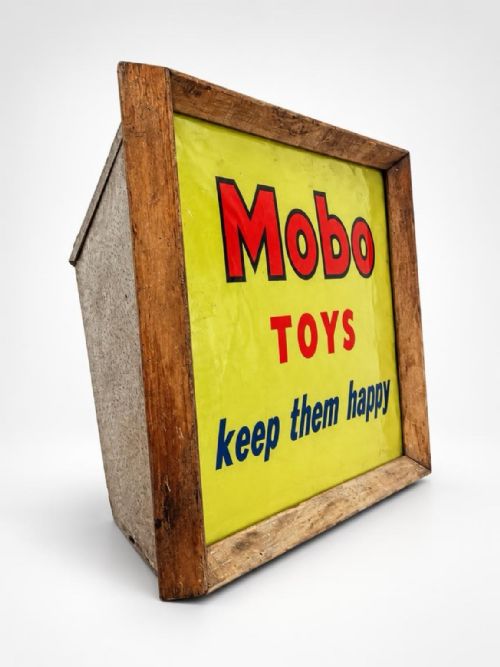
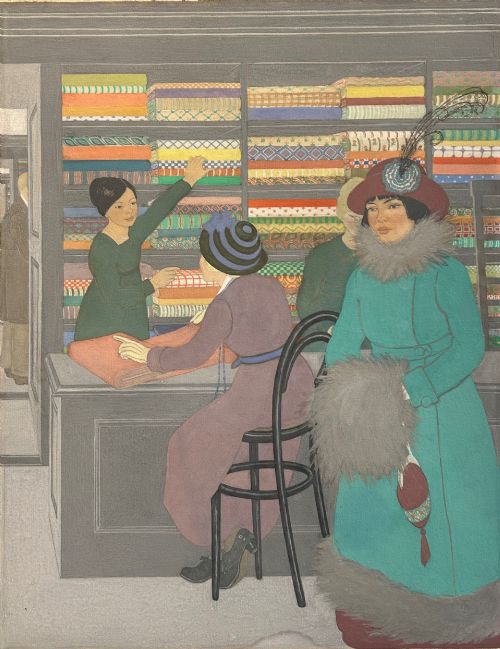
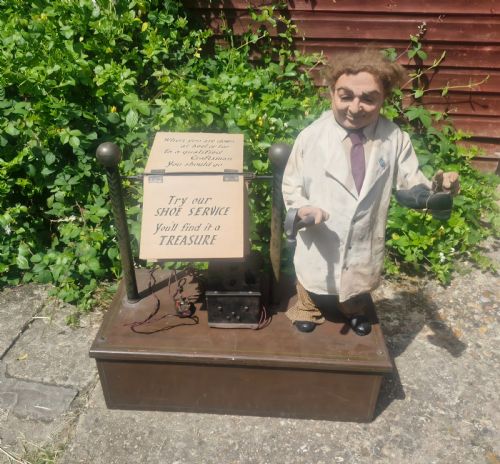
The selections on this page centre on utilitarian and promotional survivors from the Edwardian and Art Deco eras. Common forms include haberdashery cabinets, display counters, wall art, advertising signs, and shop display models such as mannequin busts.
Most items hail from the 1920 and 1930 periods, reflecting commercial expansions of those decades. Pieces range from small countertop display cases to substantial floor-standing cabinets and large trade signs.
How they were made
Makers utilised a combination of wood, metal, glass, and painted plaster to construct durable retail fixtures. Aluminium frames appeared alongside traditional wooden cabinetry, while glass panels protected delicate merchandise and trade signs.
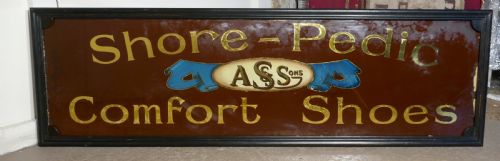
Surface decoration involved printed fabric, painted glass, paper, and ink lettering applied by hand or early industrial methods. Advertising signs frequently combined painted wooden frames with glass surfaces or metal components to withstand daily retail environments.
Retro Shop Display Retail Price Guide 2026
Typical asking prices for retro shop display among the pieces listed under this phrase on Sellingantiques today, from the lower quarter to the upper quarter. They describe what is for sale here now, not the wider market.
Listings feature items exclusively from the 1920 and 1930 periods, incorporating wood, glass, metal, and painted plaster.
What varies in quality
Quality rests in the original integrity of the materials and the preservation of painted or printed surfaces. Pieces retaining their original glass, unaltered wooden frames, and legible trade lettering command greater respect than heavily restored examples.
Construction methods also distinguish standard trade fixtures from higher-end commercial art. Superior items feature complex joinery in cabinetry, sophisticated Art Deco styling on mannequins, and robust metal framing designed for heavy retail use.
Beatrice Saunders·Chadwick·Trebor·Wilmot·A S and Sons
The Retro Shop Display Glossary
- Haberdashery cabinet
- A multi-drawer retail unit with glass panels designed for storing and displaying small sewing items, ribbons, and threads. These pieces often feature numerous shallow drawers for organising stock.
- Display counter
- A shop fixture featuring a glazed upper section for customer viewing and a wooden or metal base for support. They served as both workspace for the shopkeeper and merchandising space.
- Advertising sign
- A trade notice constructed from painted glass, metal, or paper within a wooden frame to promote specific brands or products. These signs hung inside or outside shops to attract passing custom.
- Shop display model
- A three-dimensional representation, such as a mannequin bust or mechanical figure, used to model clothing or footwear. They were sculpted from painted plaster or formed materials to simulate the human form.
- Art Deco
- A design style prevalent during the 1920s and 1930s characterised by streamlined geometric forms and modern industrial materials. This aesthetic heavily influenced shop fittings and advertising figures of the period.
Retro Shop Display: Frequently Asked Questions
What is a retro shop display?
A retro shop display is an authentic commercial artefact from the early twentieth century, including cabinets, signs, and mannequins.
These items were originally utilised in trade before being repurposed for interior decoration.
How do I date a display cabinet?
Dating relies on materials, construction techniques, and stylistic markers such as Art Deco geometric lines. Pieces from the 1920s and 1930s often feature specific aluminium framing or traditional hardwood joinery.
Comparing hardware and glass types also helps establish the manufacturing era.
Where were trade signs used?
Trade signs were hung inside shop windows or mounted on walls to advertise specific footwear, sewing threads, or confectionery. They guided customers and reinforced brand presence in busy retail environments.
Today, they function as decorative wall art in domestic settings.
How do I clean painted glass signs?
Painted glass requires gentle dusting with a soft dry cloth to protect fragile lettering and original frames. Avoid harsh chemical cleaners that might lift the ink or damage the painted surface.
Preserving the original patina is essential for maintaining the historical integrity of the piece.