

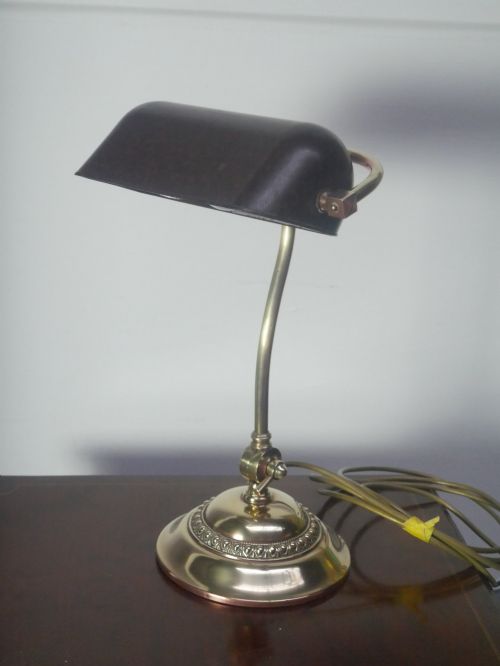


Retro Reading Table
A retro reading table is a task light built for focus, prized for mechanical adjustability and distinct period styling.
Retro Reading Table
When you search for a retro reading table, you are looking at adjustable task lights and desk lamps designed for focused work. These pieces span from the late nineteenth century through the Art Deco and Modernist periods.
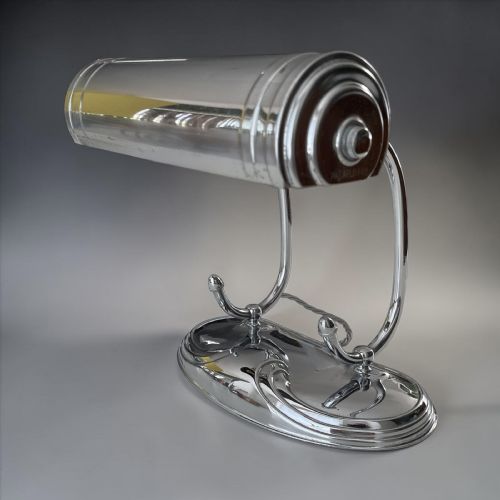
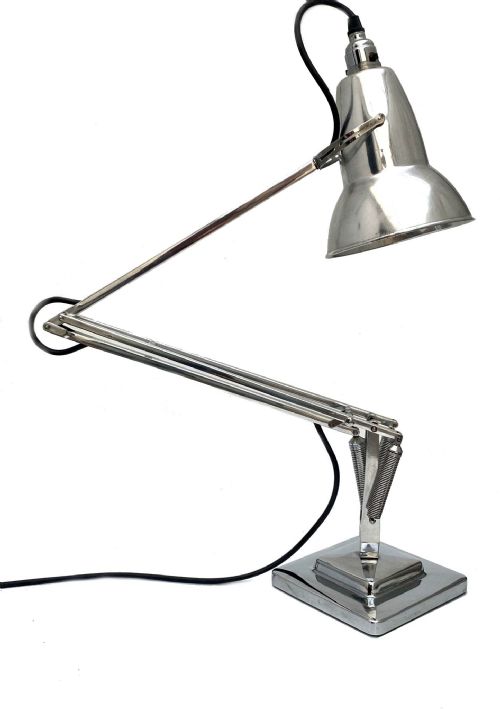
The versions most common in this selection feature adjustable arms, pivoting shades, and sturdy weighted bases built for daily study and desk tasks.
Materials range from polished brass and gleaming chrome to warm oak, heavy marble, and moulded bakelite, reflecting the manufacturing shifts of their respective eras.
Materials and construction methods
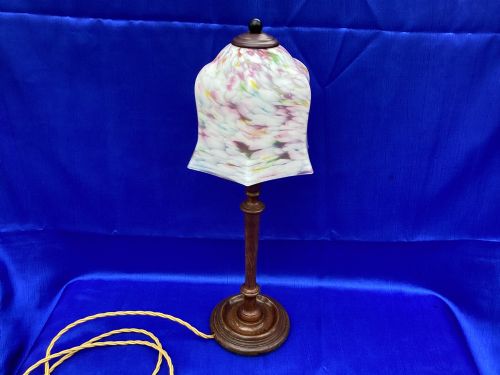
Metal fabrication defines these pieces, utilising spun chrome, cast brass, and heavy iron to create articulating joints and weighted desk bases. Manufacturers combined these metals with glass shades in opaline or frosted finishes to diffuse task lighting effectively.
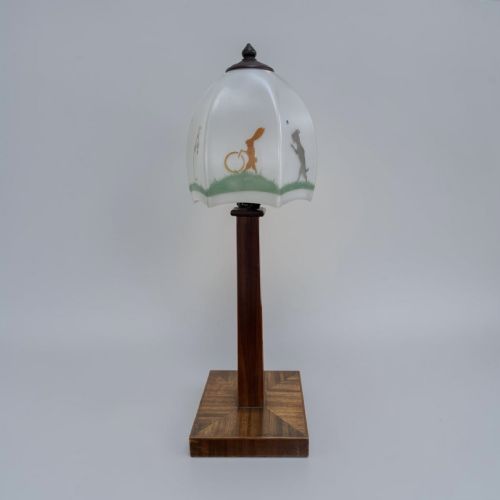
Early twentieth-century workshops also incorporated organic elements like carved oak, marble, and exotic woods such as Macassar ebony for decorative bases. Flexible tubing and mechanical spring arms allowed users to direct light precisely where needed.
Retro Reading Table Retail Price Guide 2026
Typical asking prices for retro reading table among the pieces listed under this phrase on Sellingantiques today, from the lower quarter to the upper quarter. They describe what is for sale here now, not the wider market.
Some nineteenth-century models sneaked a carved dog onto the base just to keep you company while you balanced your ledger.
Grading quality and execution
Quality separates mass production from finer workshop output through the weight of the base and the precision of the joints. Superior examples maintain tension in adjustable arms without sagging and employ robust metal wiring channels.
The finish on the metalwork and the integrity of original glass or bakelite shades also distinguish better pieces. Details like cast brass fittings and signed maker components elevate a lamp above standard utility models.
Herbert Terry·Eileen Grey·Pirouette·Hawkins
The Retro Reading Table Glossary
- Bakelite
- An early form of synthetic plastic used for switches, plugs, and lamp bases during the early twentieth century. It offers a dense, durable finish with a distinct tactile quality.
- Opaline glass
- A milky, semi-translucent glass used for lamp shades to soften glare and distribute light evenly. It appears in various white and pastel tones across nineteenth and twentieth-century lighting.
- Art Deco
- A design style from the nineteen-twenties and thirties characterised by geometric shapes, stylised motifs, and sleek metallic finishes. It heavily influences the profile of these desk lights.
- Modernist
- A movement prioritising clean lines, functional purpose, and industrial materials over traditional ornamentation. These lamps often expose their mechanical joints and structural components.
- Toleware
- Painted or enamelled metalware, typically tin or steel, used to form durable lamp shades with a smooth coloured surface. It provides a classic contrast to polished brass and chrome.
Retro Reading Table: Frequently Asked Questions
How do I adjust the lamp arm?
Most of these pieces utilise mechanical joints, weighted balances, or spring systems to reposition the shade.
Take care to loosen any adjustment screws before moving rigid metal arms to prevent straining historical fixings.
Are these lamps suitable for modern desks?
The compact footprints and directional lighting make them practical for contemporary workspaces.
Ensure the electrical cord and internal wiring meet current standards for safe daily use.
How do I identify an Art Deco desk lamp?
Look for stepped geometric bases, streamlined chrome plating, and shell or conical shades.
These design traits emerged strongly around nineteen thirty, moving away from ornate Victorian styling.
What is the difference between brass and chrome?
Brass offers a warm, golden metallic tone typical of earlier Edwardian and traditional English designs.
Chrome provides a bright, silver industrial finish associated with Machine Age and Modernist pieces.