

Retro Pendant Light
A retro pendant light brings overhead illumination with distinct period character, drawing the eye down through brass, glass, and metal forms.
Retro Pendant Light
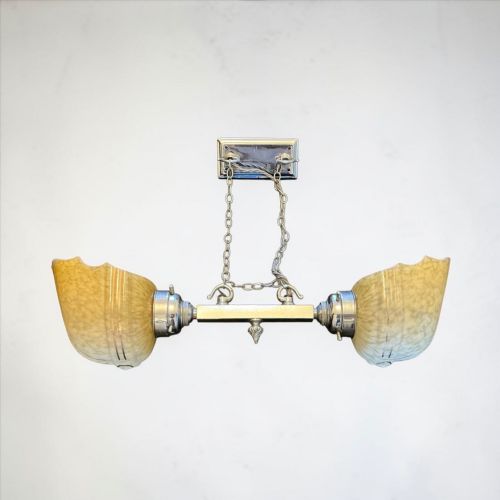
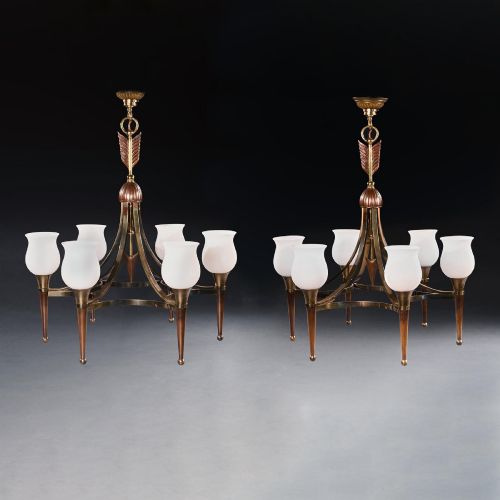
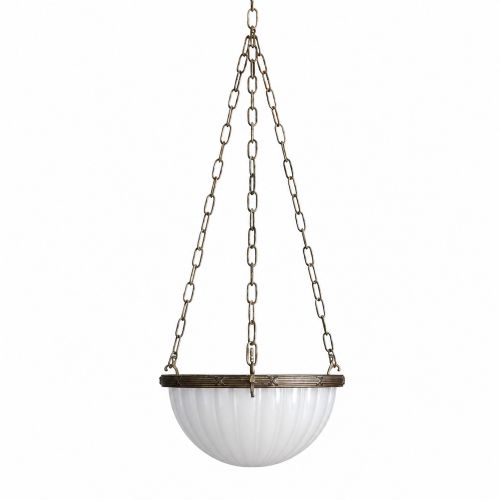
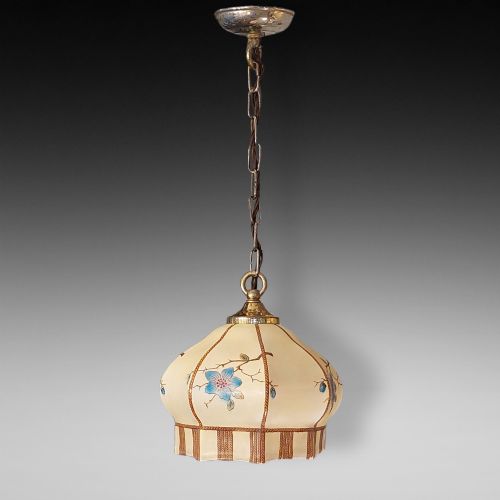
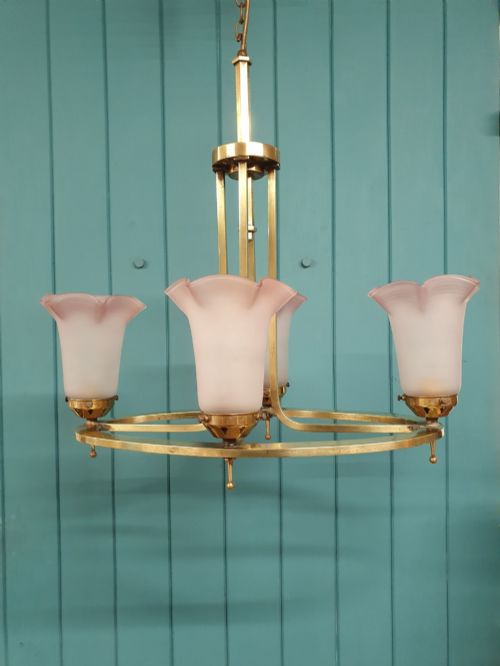
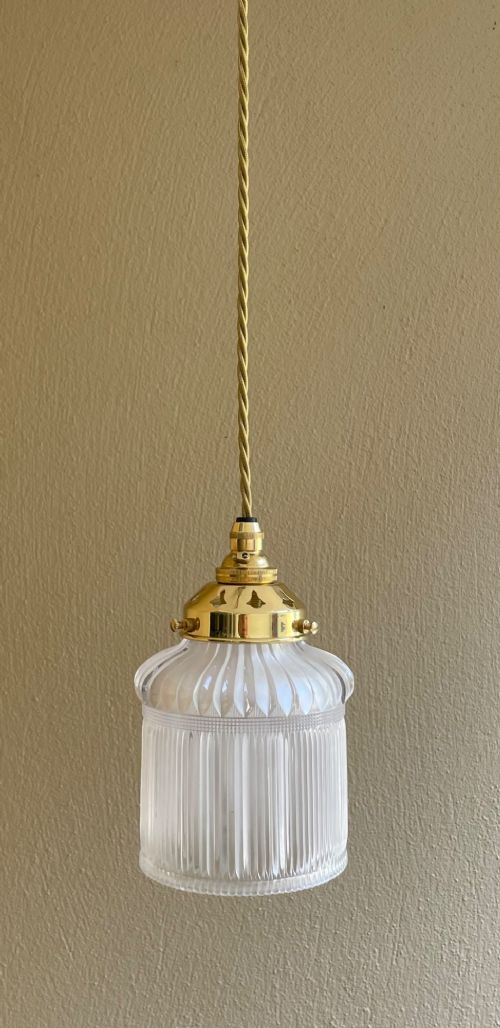
A retro pendant light brings concentrated overhead illumination and distinct period character to a room, drawing the eye down through suspended brass, glass, and metal forms. When searching for this phrase, buyers encounter hanging fixtures originating primarily from the early twentieth century through the mid-century decades, spanning the Edwardian period, the nineteen-twenties, nineteen-thirties, and nineteen-forties.
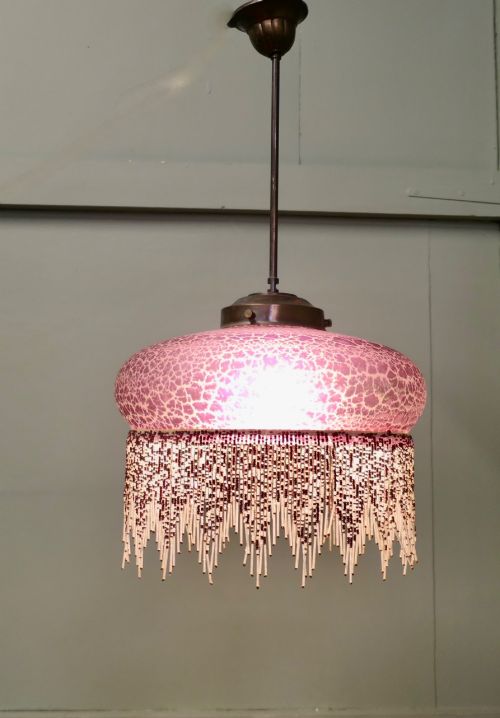
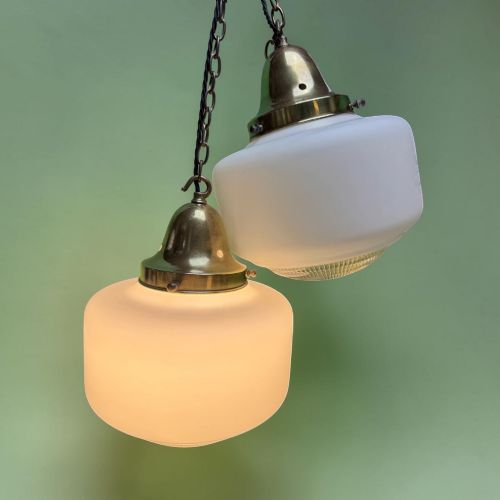
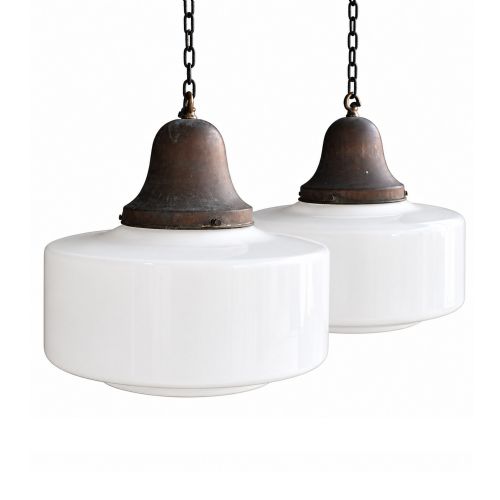
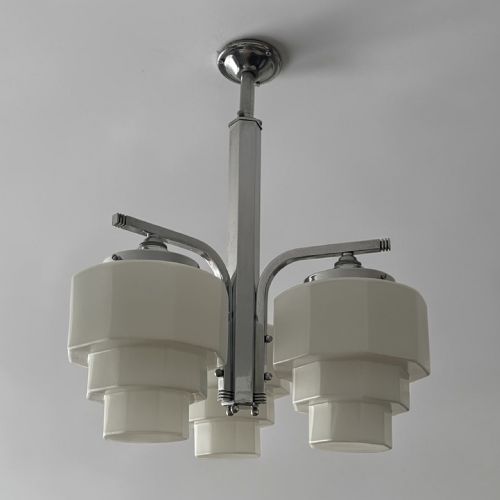
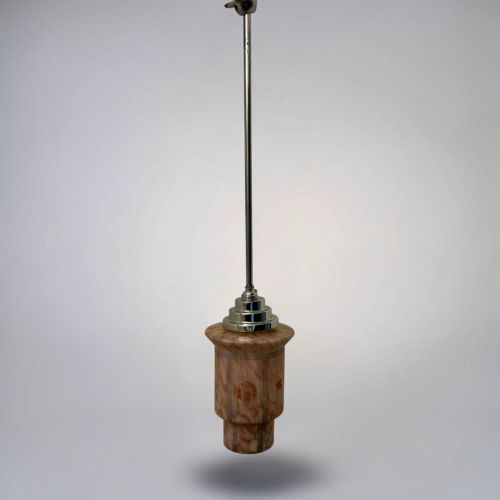
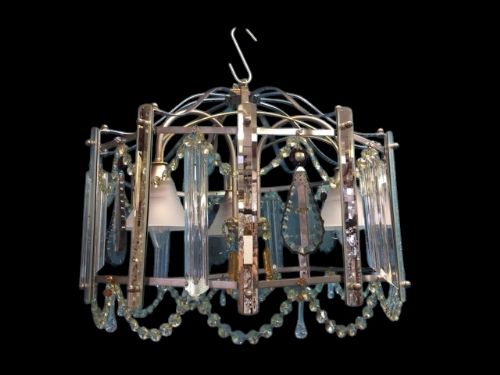
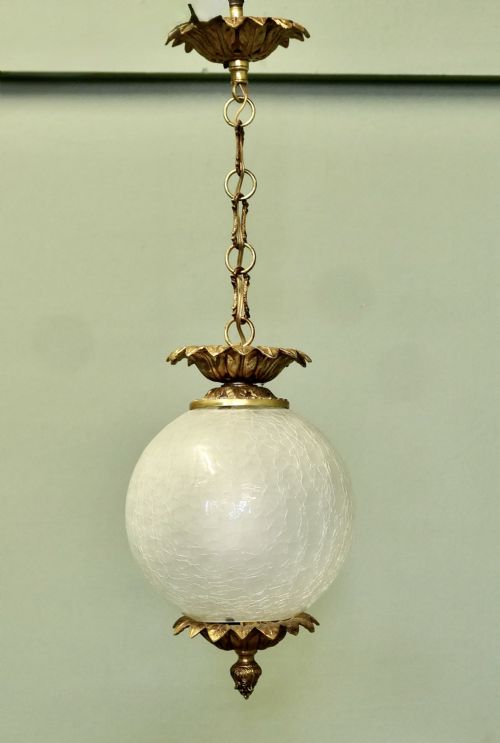
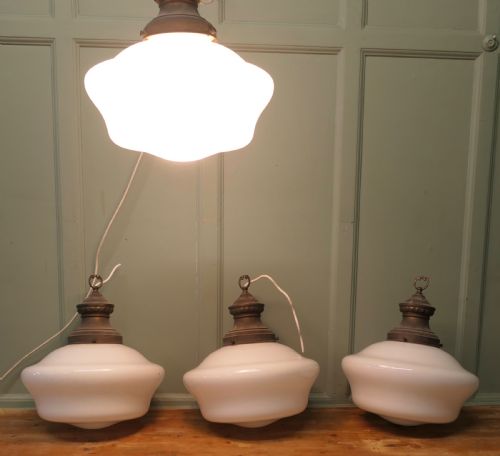
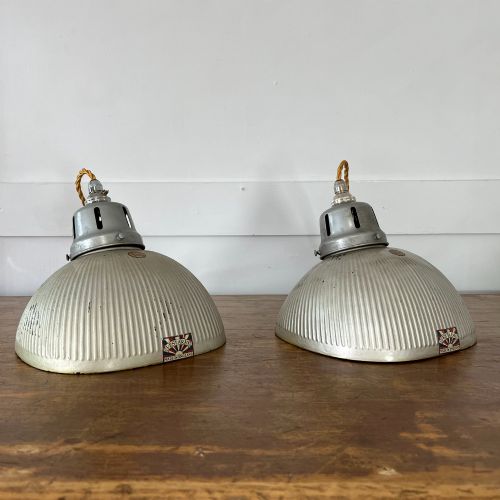
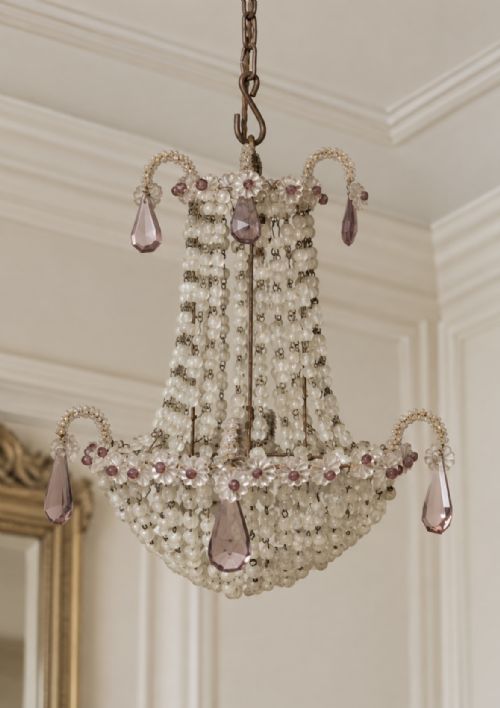
The most common versions met on this page are Art Deco glass and brass chandeliers, industrial factory lights, and opaline glass hanging shades. These pieces range from simple enamel and prismatic glass shades to elaborate French moulded glass bowls and multi-light fixtures.
Materials and construction
Makers constructed these hanging fixtures using durable combinations of brass, copper, chrome, steel, and cast metal galleries to support heavy glass components. Metal spinning, casting, and framing provided the structural framework for electrical wiring and suspension.
Glass elements were shaped using specialised techniques including opaline production, prismatic moulding as seen in Holophane pieces, crackle finishes, and hand painting. Copper and brass components often received polished or gilded finishes, while industrial fixtures relied on robust enamel and steel.
Retro Pendant Light Retail Price Guide 2026
Typical asking prices for retro pendant light among the pieces listed under this phrase on Sellingantiques today, from the lower quarter to the upper quarter. They describe what is for sale here now, not the wider market.
Some industrial factory shades retain original enamel coats that survived decades of heavy workshop soot and cheerful daily toil.
Assessing quality and finish
Quality in these suspended fixtures rests on the weight and integrity of the glass shade and the substance of the metal gallery. Superior examples display heavy, uniform glass - such as thick opaline or moulded Art Deco bowls - paired with substantial brass or copper hardware rather than thin, pressed sheet metal.
The sophistication of the design and the reputation of the maker or glasshouse elevate certain pieces above standard utilitarian lighting. Intricate prism work, signed French glass, and matched sets demonstrate superior workshop execution.
VESTARAY·Jean Gauthier·C'est Laudier
The Retro Pendant Light Glossary
- Pendant light
- A hanging light fixture suspended from the ceiling by a cord, chain, or metal rod. These fixtures direct illumination downward over tables, hallways, or specific living spaces.
- Opaline glass
- A milky, translucent glass type popular in early twentieth-century lighting. It diffuses light evenly without harsh glares.
- Holophane
- A brand of prismatic glass known for scientific light distribution and patterned exterior ribs. These shades direct and soften illumination efficiently.
- Gallery
- The metal fitting at the top of a lampshade or pendant that holds the bulb holder and connects to the suspension cord or chain.
- Plafonnier
- A ceiling-mounted or close-hanging glass bowl fixture popular during the Art Deco period. It sits flush or close to the ceiling surface.
Retro Pendant Light: Frequently Asked Questions
How do I hang a pendant light?
Suspension methods vary from simple twisted flex cords to heavy chains secured to ceiling hooks and roses. Ensure the weight of the metal and glass shade is supported safely by joists or appropriate ceiling fixings.
Professional electrical installation is recommended to connect vintage wiring safely to modern domestic mains supply.
What rooms suit a pendant light?
These hanging fixtures suit dining tables, kitchens, hallways, and living spaces where direct downward illumination is required. Smaller opaline or prismatic shades work well in compact areas, while multi-light chandeliers anchor larger rooms.
Height adjustment is essential so the lower edge of the shade sits comfortably above eye level.
How do I clean vintage glass shades?
Remove delicate glass shades from their metal galleries before cleaning to prevent accidental chipping against hard surfaces. Wash them gently in warm soapy water using a soft cloth, avoiding abrasive pads on painted or etched surfaces.
Dry the glass thoroughly before reassembling and rehanging the fixture.
How do I date a pendant light?
Dating relies on stylistic markers such as geometric Art Deco patterns, Edwardian brass details, or industrial steel construction. Materials like opaline glass, chrome, and specific maker signatures or patent stamps provide further chronological clues.
Comparing the gallery construction and wiring entry points helps distinguish nineteen-twenties production from later mid-century manufacturing.