


Retro Pendant Ceiling Fixture
A retro pendant ceiling fixture brings period illumination and striking silhouette to a room, drawing the eye upwards with glass, brass and chrome.
Retro Pendant Ceiling Fixture
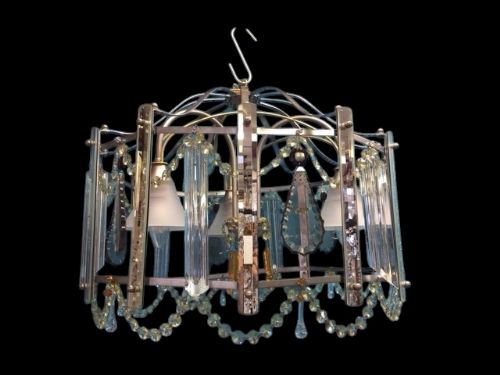
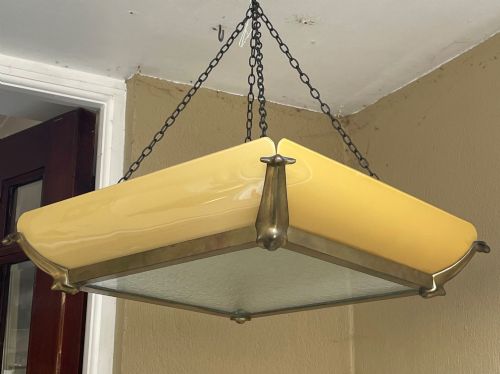
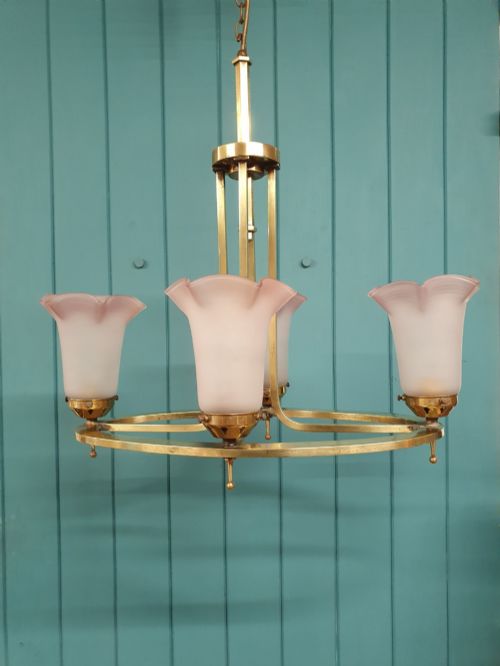
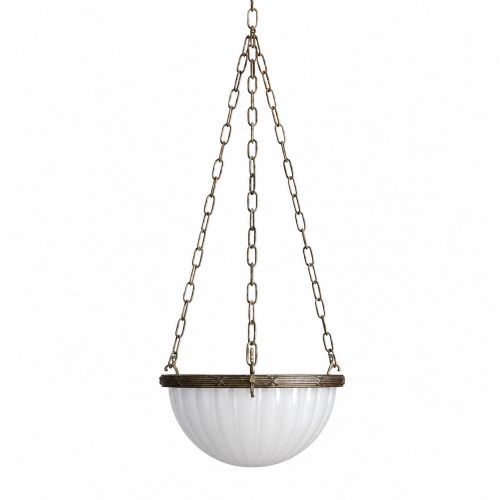
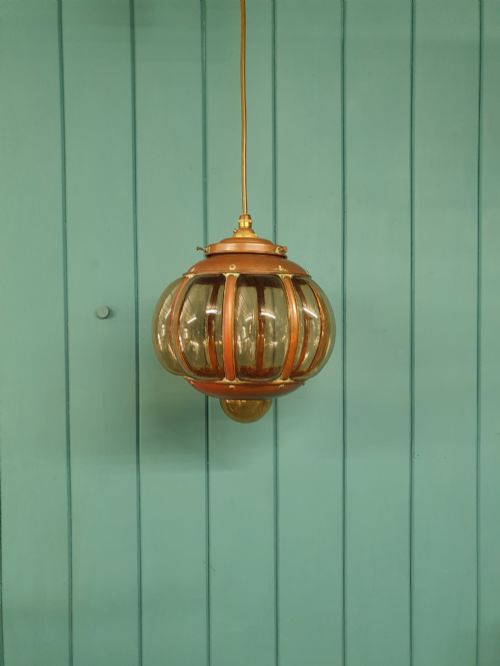
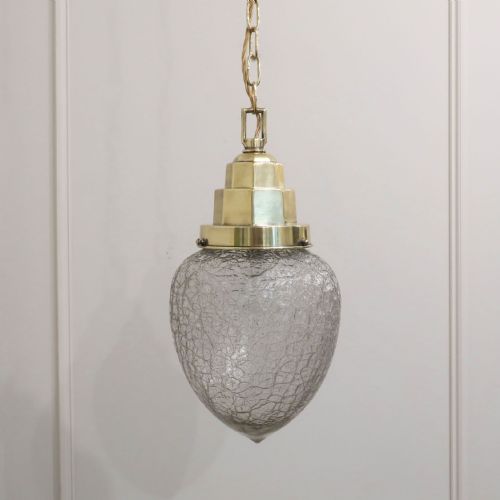
A retro pendant ceiling fixture spans several decades of domestic lighting, drawing most heavily on the 1920s and 1930s Art Deco movement alongside Edwardian and 19th Century examples. These pieces take the form of single pendant lights, glass globes, lampshades and multi-bulb chandeliers designed to hang centrally from the ceiling.
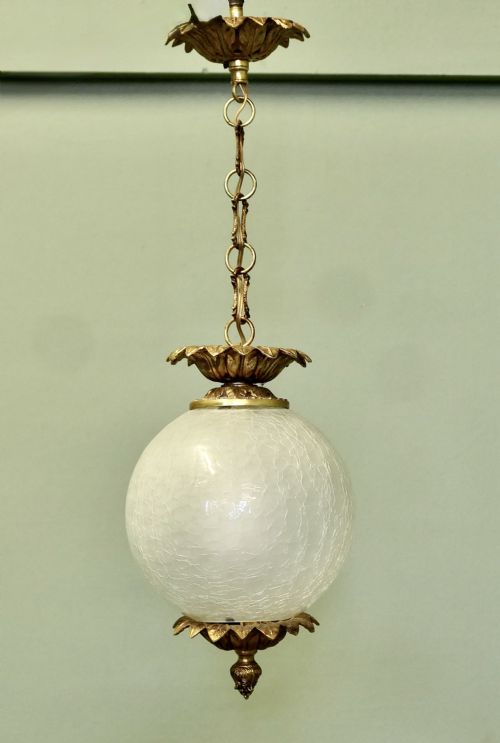
The selection here leans strongly into geometric lines and moulded glass characteristic of the interwar years, alongside industrial copper nautical pieces and delicate French frosted bowls. Buyers frequently encounter opaline glass shades, brass galleries and decorative chrome fittings that reflect the shifting tastes of early twentieth century interior design.
How They Were Made
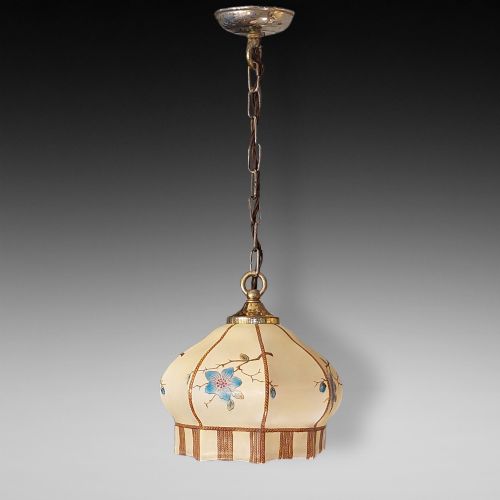
Makers combined cast and spun metals with blown, moulded or hand-painted glass to produce these overhead lights. Brass, copper and chrome form the structural galleries and frames, while opaline, frosted, amber and pink glass shape the diffusers.
Techniques range from intricate crackle glass and acid-etched finishes to ribbed opaline moulds and prismatic glass panes. Metal components are joined with screws or fitted into galleries designed to secure heavy glass shades safely overhead.
Materials across these listings span brass, chrome, copper and gilt metal paired with opaline, frosted, crackle and pink glass.
What Varies in Quality
Quality rests upon the weight and clarity of the glass and the substance of the metalwork rather than mere ornamentation. Thicker opaline and moulded glass shades display superior diffusion, while heavier brass, copper and chrome mountings secure the fixture firmly without flex.
Finer examples show precision in the moulding of details like fish scale patterns, clam shell curves or panelled prisms. The integrity of the original metal gallery and the purity of colour in tinted or hand-painted glass define the standing of each piece.
Jean Gauthier
The Retro Pendant Ceiling Fixture Glossary
- Opaline glass
- A milky, translucent glass used to soften light output while providing a uniform white or tinted glow. It appears frequently in 1920s and 1930s pendant designs.
- Gallery
- The metal collar or rim that holds a glass lampshade in place and connects it to the suspension rod or chain. Galleries are commonly cast from brass, copper or chrome.
- Prism chandelier
- A hanging light fixture set with cut glass pendants or prisms designed to refract and scatter light around the room. These often date to the early twentieth century.
- Art Deco
- A design style spanning the 1920s and 1930s defined by sleek geometric shapes, stylised motifs and modern industrial materials. It dominates the fixtures seen in this period.
Retro Pendant Ceiling Fixture: Frequently Asked Questions
How do I hang a retro pendant light?
Suspension requires securing the fixture to a ceiling joist or wiring box capable of supporting the weight of the metal and glass. Most pendants hang from a matching chain, rod or cord attached to a ceiling canopy.
Professional electrical installation ensures the internal wiring meets current safety standards while maintaining the vintage components visible below the ceiling line.
How do I clean antique glass shades?
Remove the glass shade from its metal gallery if possible and wash it gently in lukewarm water with mild soap. Avoid harsh abrasives that can damage hand-painted details or frosted surfaces.
Dry the glass thoroughly with a soft cloth before reattaching it to the brass or chrome mount to prevent water spots from forming on the surface.
Can I use modern LED bulbs?
Modern LED bulbs work well inside these vintage glass shades, provided the bulb wattage and physical dimensions match the interior space of the globe or shade. Selecting a warm white LED mimics the softer glow of historical lighting.
Check the shade clearance before insertion to ensure the bulb does not rest directly against delicate opaline or crackle glass.
How do I date a ceiling fixture?
Dating relies on identifying the materials, manufacturing techniques and stylistic cues such as 1930s geometric moulding or Edwardian brass work. Patent marks or maker signatures stamped on metal galleries also provide clues.
Compare the glass texture and wiring style against known periods to narrow down the decade of production for each individual piece.