




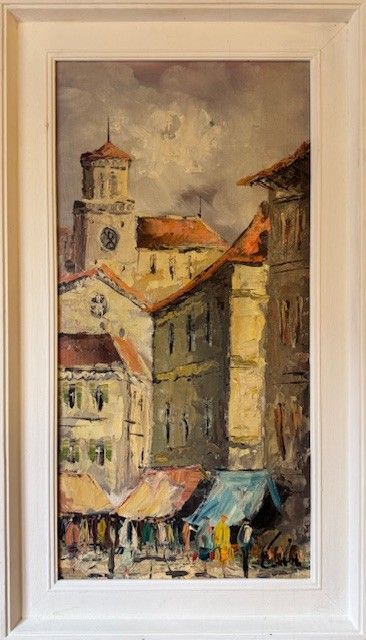


Retro Painting Frame
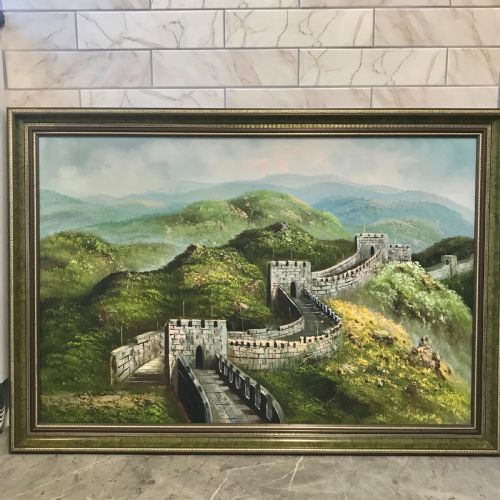
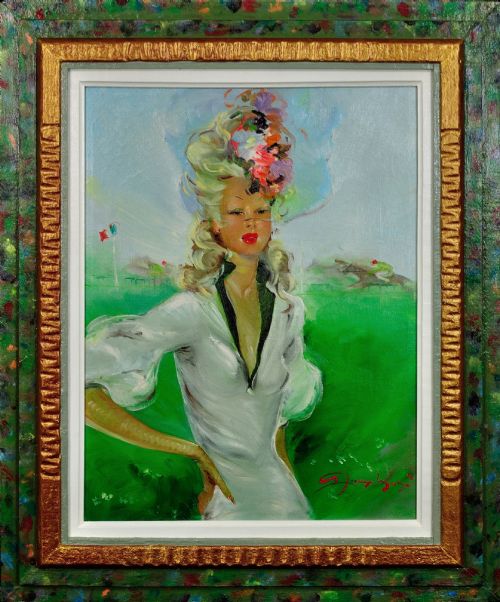
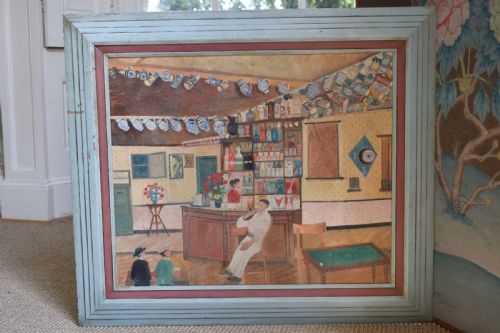
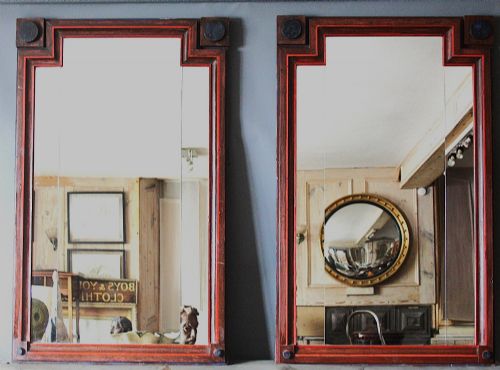
A retro painting frame holds mid-century canvases, boards, and mirrors that bring character straight to a living room wall.
Retro Painting Frame
A retro painting frame encases works created across the twentieth century, with a strong concentration of pieces stemming from the nineteen-fifties and nineteen-sixties. Buyers searching this phrase encounter oil paintings, canvases, boards, and drawings framed in wood, alongside related wall mirrors and shop signs.
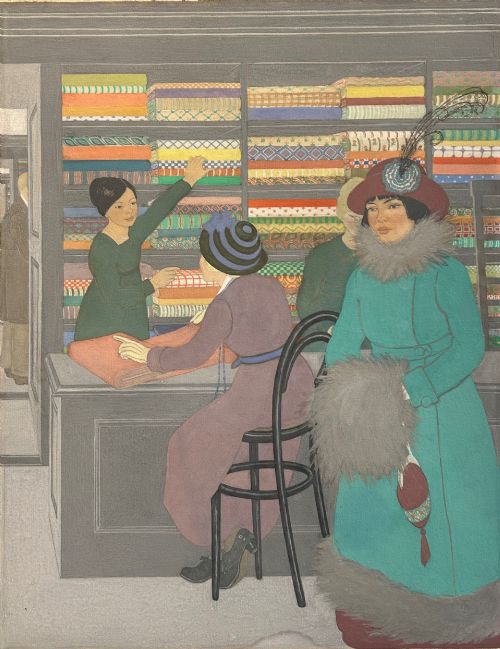
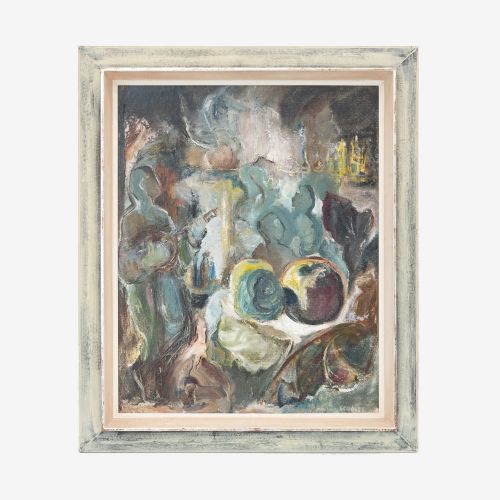
The aesthetic leans heavily toward mid-century modernism, impressionism, realism, and expressionism, capturing everything from Parisian street scenes and Cornish nudes to abstract cityscapes and still lifes.
Originating from various European makers, these framed works offer a direct window into mid-century artistic expression, combining period pigments with authentic period housings.
How they were made
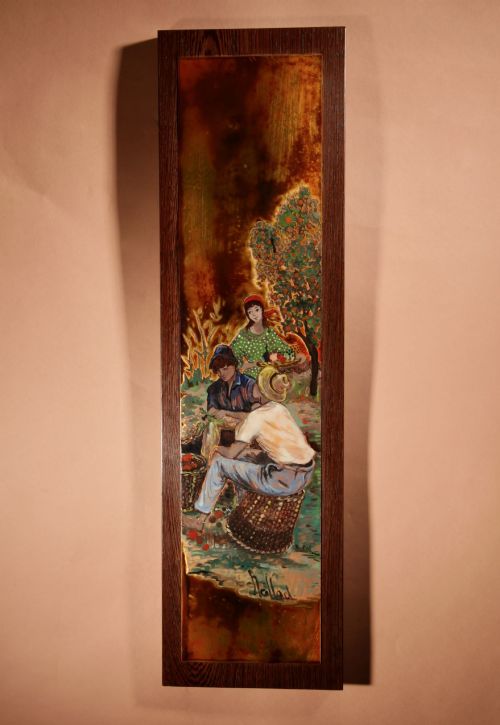
Artists painted primarily with oil and tempera upon canvas, board, and paper, occasionally utilising impasto techniques to build heavy texture on the surface. Others worked with enamel on copper, pastel, gouache, or watercolour, demonstrating the varied hand of the twentieth-century maker.
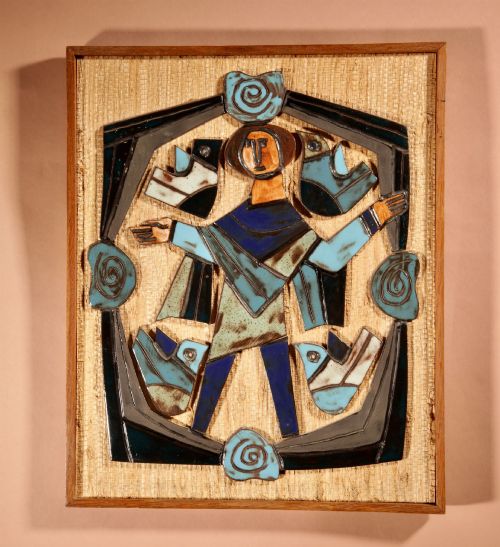
The surrounding frames consist of wood, often tailored to the specific dimensions of the painting, canvas, or mirror plate held within. Painted glass and copper substrates add alternative material dimensions to the selection.
Retro Painting Frame Retail Price Guide 2026
Typical asking prices for retro painting frame among the pieces listed under this phrase on Sellingantiques today, from the lower quarter to the upper quarter. They describe what is for sale here now, not the wider market.
Listings feature oil paint, canvas, board, and glass across decades from the nineteen-twenties to the nineteen-sixties.
What varies in quality
Quality rests in the handling of the medium and the strength of the composition, distinguishing a master's confident brushstrokes from a routine decorative study. The relationship between the artwork and its wooden frame also matters, as period-matching housings enhance the visual integrity of the piece.
The depth of the impasto, the vibrancy of the oil paint, and the preservation of the canvas or board determine the overall standing of the work within its period.
Henk Potters·Nella Damsma·Caroline Burnett·Tony Giles·Ron Folland·Stuart Armfield·Lester Epstein·Fred Yates·Yetta Kane·John Osborn·Jean Cuny·Valerie Mackenzie
The Retro Painting Frame Glossary
- Impasto
- Paint laid on an area of the surface in thick layers, usually thick enough that the brush or painting-knife strokes are visible. This technique adds tactile three-dimensional depth to mid-century abstract cityscapes and still lifes.
- Tempera
- A permanent, fast-drying painting medium consisting of pigmented powder mixed with a water-soluble binder. It provides a flat, matte finish seen in mid-century still life works.
- Board
- A rigid substrate used in place of canvas for supporting oil paint. Artists often utilised board for smaller portrait and landscape studies during the mid-century period.
- Gouache
- An opaque method of water-based painting featuring larger pigment particles than watercolour. It yields a solid matte colour suitable for illustrative works and aviation drawings.
Retro Painting Frame: Frequently Asked Questions
What periods do these framed paintings cover?
The selection spans the early to mid-twentieth century, capturing decades from the nineteen-twenties through to the nineteen-sixties. Mid-century modern and impressionist movements dominate the dates.
Buyers will find specific pieces anchored securely in the nineteen-fifties and nineteen-sixties alongside earlier decorative signs and mirrors.
How should I hang a framed oil painting?
Hang the piece away from direct sunlight and damp walls to protect both the canvas and the wooden frame from environmental wear. Use fixings appropriate for the weight of the wood and glass.
Ensure the wall mount securely supports the specific dimensions of the retro painting frame.
Are all the frames original to the artwork?
Many pieces retain their original wooden frames, shop signs, or mirror surrounds from the mid-twentieth century. These housings complement the era of the painting.
Some works feature frames selected during the period of creation to match the artistic style of the canvas.
What subjects are most common in these works?
Common subjects include abstract cityscapes, Parisian street scenes, floral still lifes, and animal portraits. Nudes and interior scenes also feature frequently across the mid-century pieces.
Artists captured these diverse subjects using oil, canvas, board, and mixed media.