
Retro Omega Wristwatch
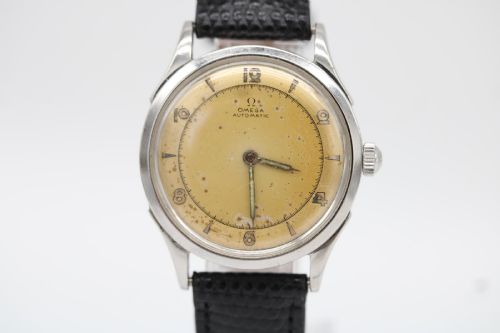
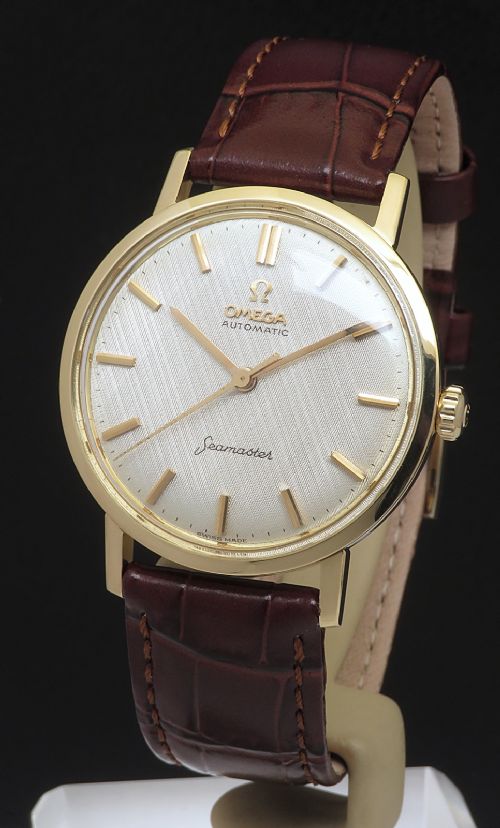
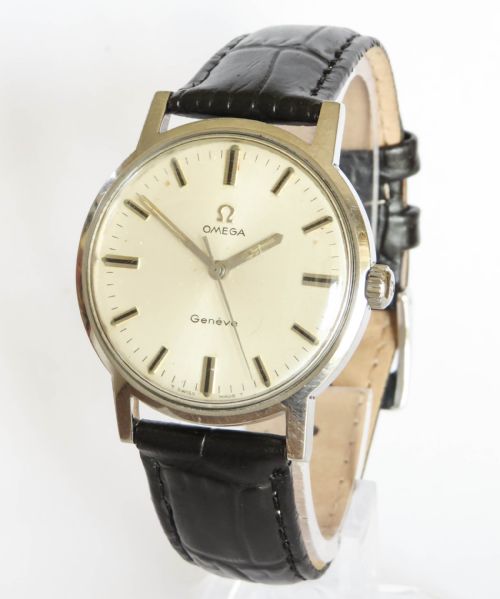
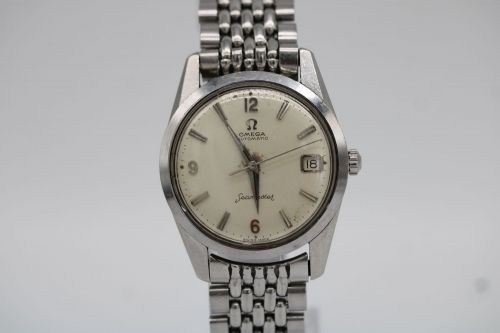
A retro omega wristwatch delivers mid-century horology with robust mechanical movements and timeless mid-century modern styling.
Retro Omega Wristwatch
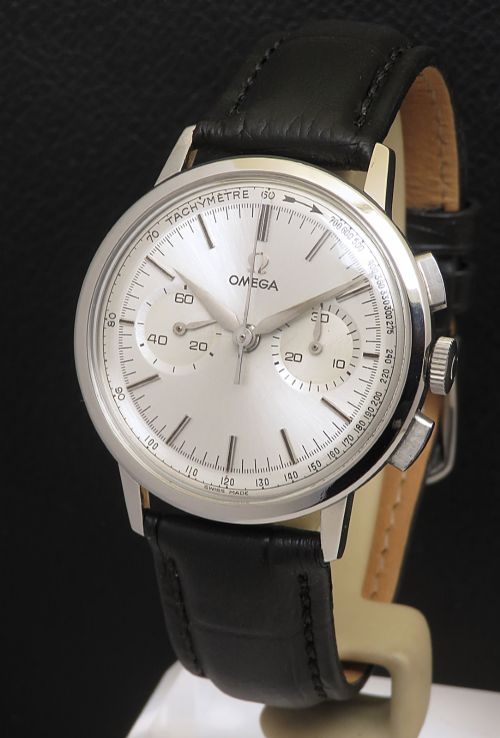
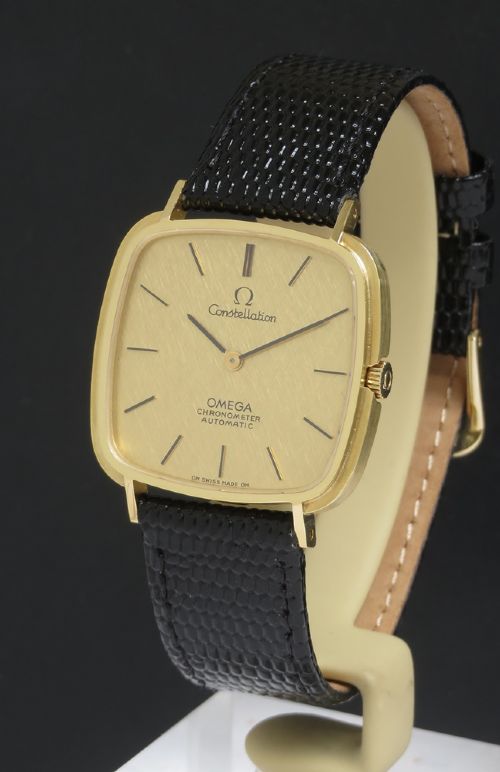
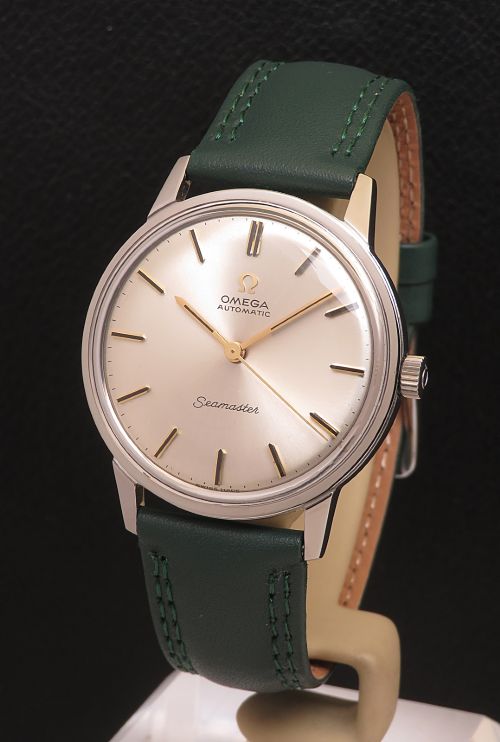
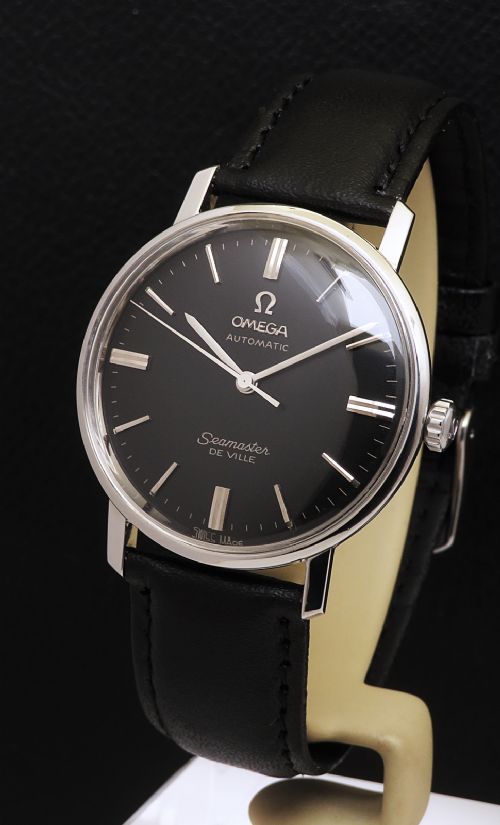
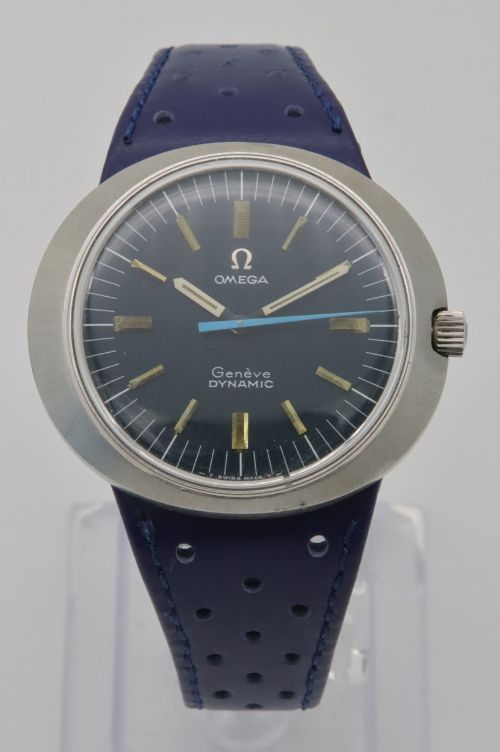
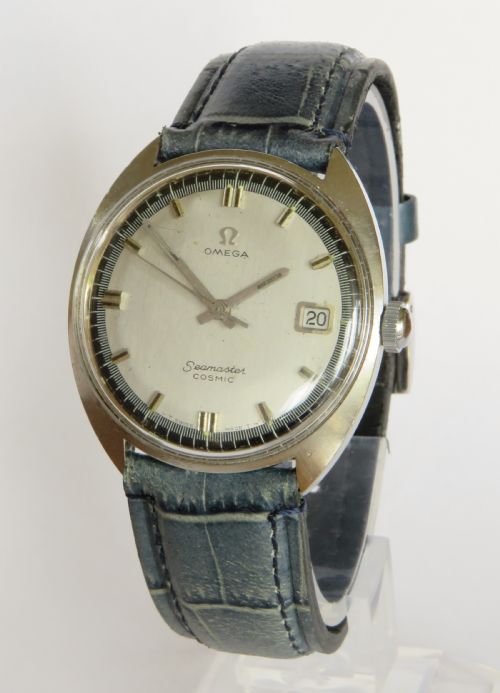
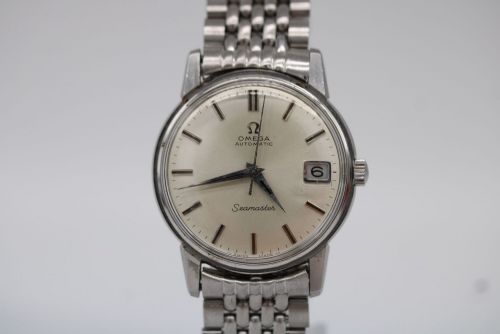
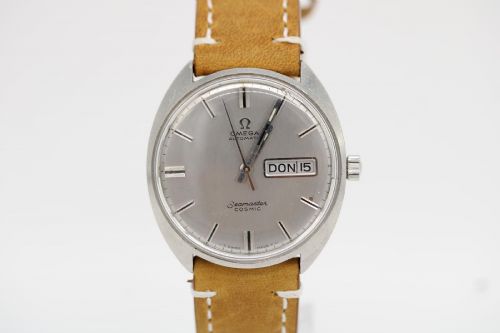
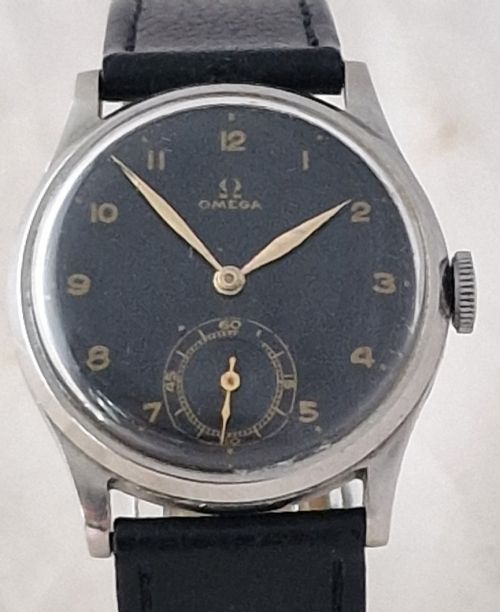
A retro omega wristwatch encompasses wristwatches originating predominantly from the 1940s, 1950s, 1960s, and later periods up to the 1970s. Buyers searching this phrase look for recognisable lines such as the Seamaster, Geneve, Constellation, and De Ville. Mid-century modern forms dominate the selection, ranging from dress watches to specialised chronographs.
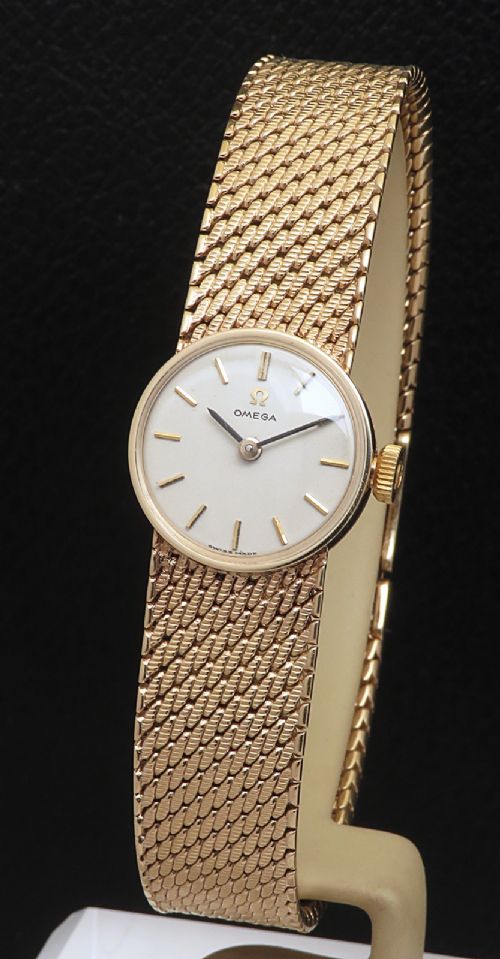
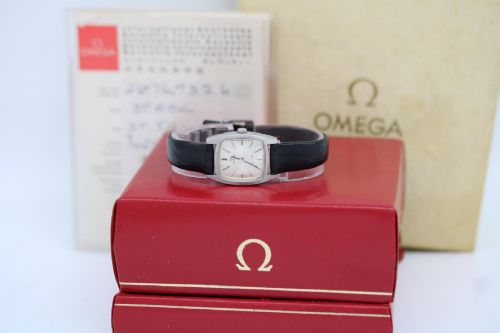
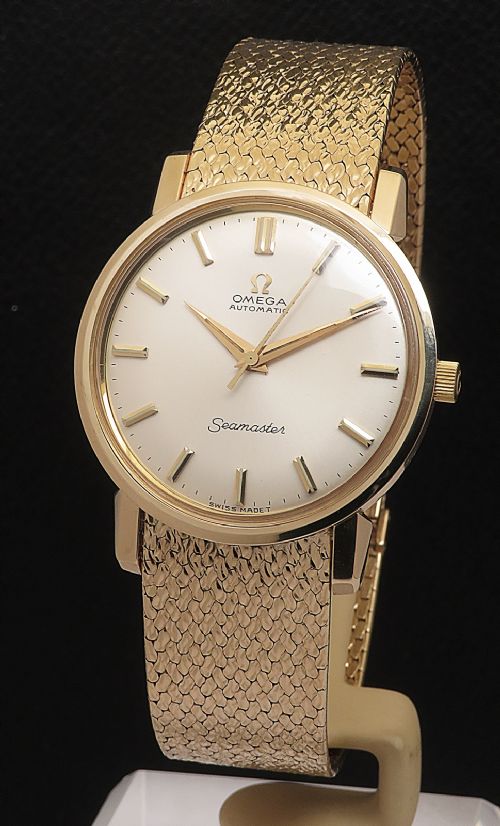
The most common examples encountered on this page date from the 1960s, featuring automatic movements and classic round or dynamic tonneau cases. Gentlemen's wristwatches and ladies' models alike appear, frequently paired with original leather straps or matching gold bracelets. Reference numbers and specific calibres often distinguish individual pieces from this era.
Materials and construction
Construction relies heavily on precious metals like 18ct gold, 9ct gold, and 18ct white gold alongside durable stainless steel. Dials feature applied markers, textured finishes such as sunburst patterns, and occasionally patinated surfaces protected by glass or acrylic glass crystals. Cases enclose mechanical movements including bumper automatics, manual wind calibres, and chronograph mechanisms.
Leather straps complement many pieces, while solid gold models utilise integrated or matched precious metal bracelets. Details like diamond set bezels appear on specific ladies' cocktail variants, combining traditional jewellery craftsmanship with precise Swiss horology.
The selection includes specialised sub-lines such as Seamaster, Constellation, De Ville, Geneve, and Chronostop.
Assessing quality and finish
Quality variation rests in the original specification of the model, the complexity of the internal movement, and the preservation of factory finishes. Examples with high complications, such as chronograph calibres or chronometer certification, sit at the upper end of the horological spectrum. Solid gold cases and the presence of original boxes, papers, and signed buckles elevate the standing of a piece considerably.
The degree of restoration also defines the grade of a watch, distinguishing fully restored or all-original examples from those with altered components. Crisp case edges, unpolished lugs, and clean dial typography separate superior survivals from heavily worn specimens.
Omega
The Retro Omega Wristwatch Glossary
- Calibre
- The specific internal mechanical movement manufactured by the maker. It dictates the functional capabilities and technical layout of the watch.
- Chronometer
- A high precision watch movement that has been officially tested and certified for accuracy over various temperatures and positions.
- Bumper automatic
- An early self-winding mechanical movement where the rotor swings through a limited arc and bounces back against springs. This distinct motion can be felt on the wrist.
- Sunburst dial
- A metallic watch face finish featuring fine radial brushed lines that catch the light from different angles. It creates a dynamic shifting sheen across the surface.
- Chronograph
- A watch equipped with a stopwatch function operated via independent pushers on the case. It allows the independent timing of events alongside standard timekeeping.
Retro Omega Wristwatch: Frequently Asked Questions
What is a bumper automatic movement?
A bumper automatic is an early self-winding mechanical movement utilising a weighted rotor that swings back and forth against internal springs rather than rotating in a full circle.
Wearers can physically feel the gentle thud of the rotor bouncing as they move their arm, marking these calibres as distinct mechanical precursors to modern full rotor automatics.
How do I identify the production year?
Production years can often be determined by examining the specific movement calibre number, case reference, and internal serial numbers against production ledgers.
Many examples on this page are dated directly to decades such as the 1950s or specific years like 1963 based on these factory records.
Are these watches suitable for daily wear?
These pieces were built as reliable everyday timepieces and continue to function admirably when properly serviced and maintained.
Owners should note that vintage models generally lack modern water resistance standards and require careful handling around moisture.
What is the difference between Seamaster and Geneve?
The Seamaster line was originally conceived with enhanced water resistance and rugged daily utility in mind, evolving into a diverse family of sports and dress watches.
In contrast, the Geneve range typically represented refined, classic dress watch styling without the specific aquatic focus of the Seamaster.