



Retro Office Desk
A retro office desk brings character and functional workspace together through period materials like oak, mahogany, chrome, and leather.
Retro Office Desk
When you search for a retro office desk, you encounter durable working furniture and accessories spanning the Victorian era through the mid-twentieth century. The selection includes solid wood pedestals alongside complementary seating and lighting.
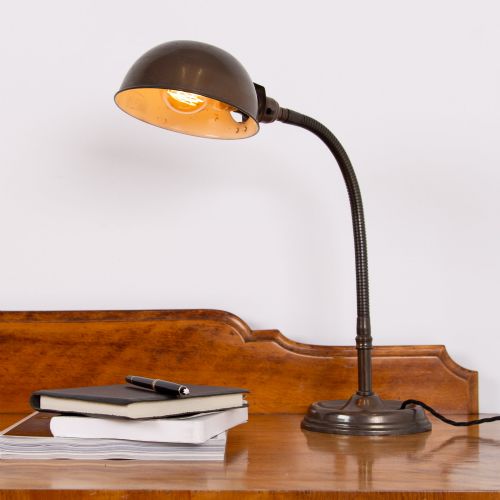
Art Deco and Mid-Century Modern designs dominate the offerings, often rendered in oak or mahogany with leather inserts. Pieces range from heavy pedestal desks to swivel armchairs and functional desk lamps.
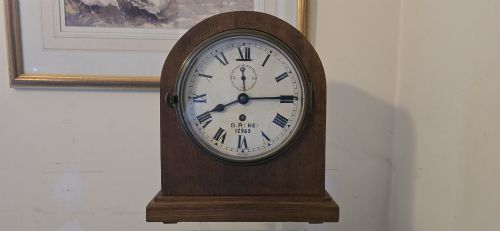
Origins vary from British railway headquarters to Danish cabinetmakers and French workshops. Alongside full-sized desks, you find smaller items like perpetual calendars, clocks, and stamp wetters that complete a workspace.
How they were made
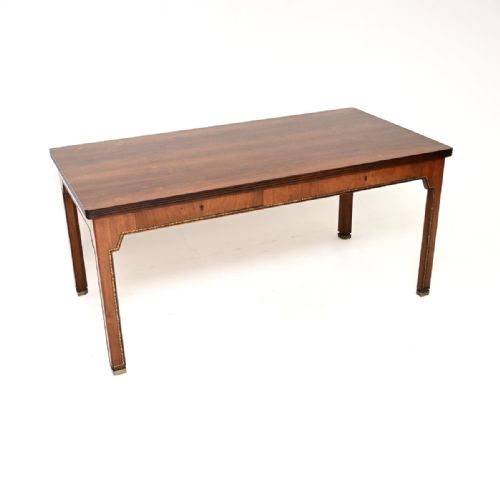
Construction relies heavily on traditional hardwoods such as oak and mahogany, often paired with supple leather writing surfaces. Frames are built to withstand daily clerical tasks using robust joinery and solid timber panels.
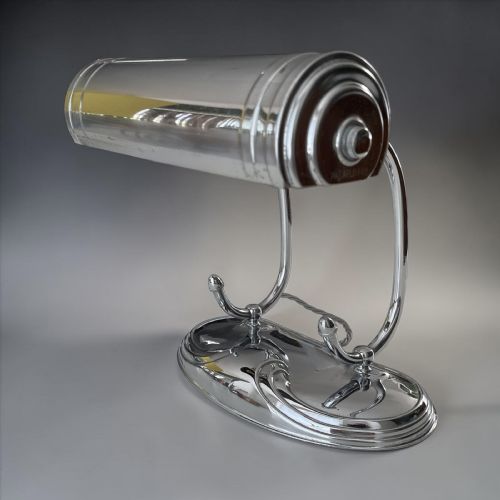
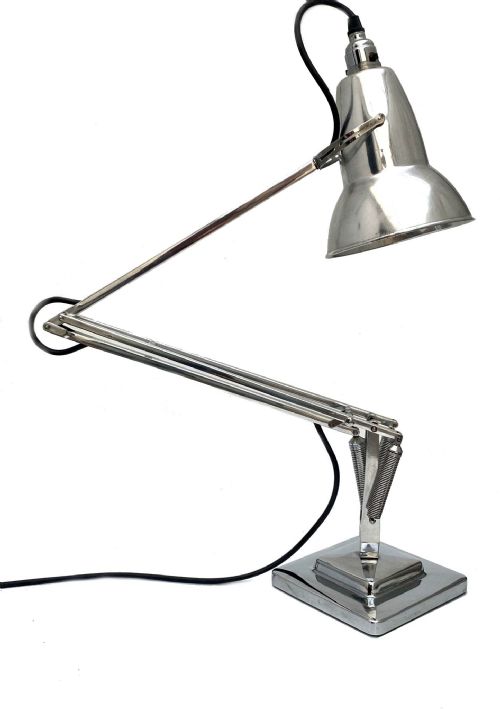
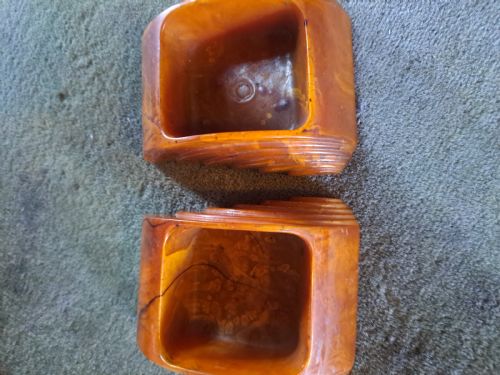
Metal elements introduce chrome, brass, steel, and copper into the construction, particularly in adjustable lamps and swivel chair mechanisms. Bakelite and Catalin appear in modernised accessories and electrical housings from the 1930s onward.
Retro Office Desk Retail Price Guide 2026
Typical asking prices for retro office desk among the pieces listed under this phrase on Sellingantiques today, from the lower quarter to the upper quarter. They describe what is for sale here now, not the wider market.
Listings feature items spanning the 1900s to beyond 1960, incorporating oak, mahogany, brass, chrome, Bakelite, and leather.
What varies in quality
The standard of timber selection and cabinetmaking determines the upper tier of desks, where figured veneers and heavy oak framing show superior handling. Lesser examples utilise simpler construction methods and plain secondary timbers.
Hardware and mechanical complexity also divide the range, from heavy cast chrome adjustable lamp arms to simpler fixed components. Original makers' labels and specialised fittings elevate individual pieces above standard utility items.
Herbert Terry·Liberty And Co·Eileen Grey·Pirouette·Smiths·Hawkins
The Retro Office Desk Glossary
- Art Deco
- A design style characterised by sleek geometric shapes, streamlined forms, and modern industrial materials popular in the 1920s and 1930s.
- Bakelite
- An early form of synthetic plastic used extensively for electrical fittings, telephones, and desk accessories during the mid-century period.
- Pedestal desk
- A heavy freestanding writing table supported by two pillars of drawers or cupboards flanking the central leg space.
- Swivel armchair
- A rotating desk chair featuring an adjustable height mechanism and upholstered leather or mahogany framing.
- Toleware
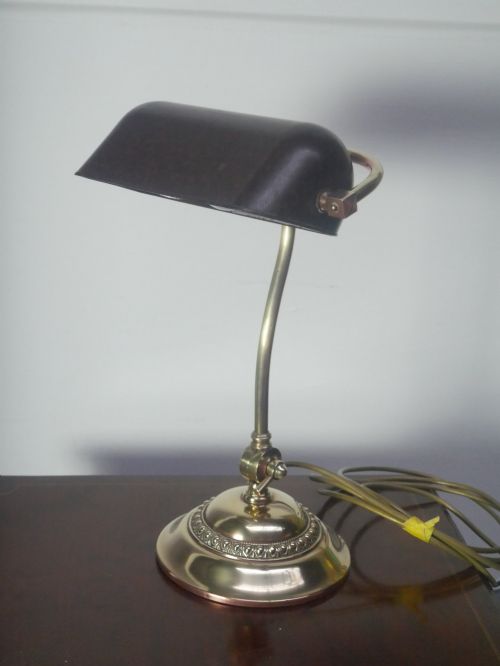
- Painted or enamelled metalware used for decorative desk lamps and accessories in period offices.
Retro Office Desk: Frequently Asked Questions
What periods do these desks cover?
The available items span from the Edwardian and Victorian periods through the Art Deco era and into the mid-twentieth century. Most examples cluster around the 1920s and 1930s.
You also find pieces marked by mid-century modern design principles and military utility production from later decades.
What materials are common?
Oak and mahogany form the primary timber choices for desks and swivel armchairs. Leather frequently provides the writing surface insert.
Chrome, brass, steel, copper, and Bakelite appear widely across desk lamps, clocks, and smaller office accessories.
Are lamps and accessories included?
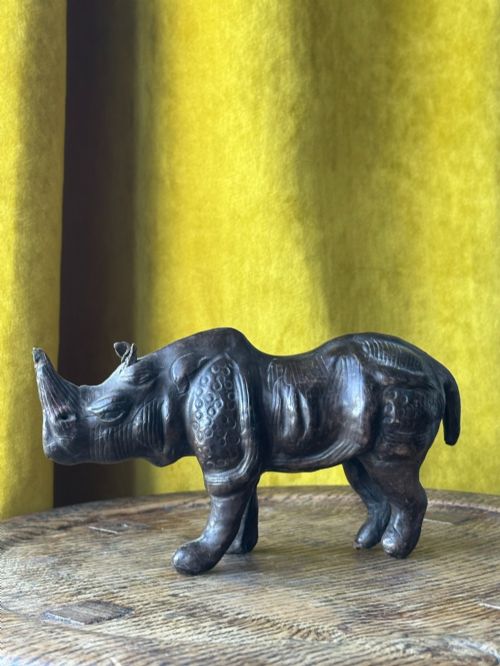
The listings encompass numerous desk lamps, clocks, calendars, and ornaments alongside full-sized desks and chairs. Many lamps feature adjustable chrome or tôleware components.
Smaller items like Bakelite telephones and stamp wetters provide period detail for a working surface.
How do I identify Art Deco pieces?
Art Deco items rely on streamlined chrome work, geometricbakelite mouldings, and contrasting woods like Macassar ebony. Look for clean, machine-age lines in the lighting and desk hardware.
Many of these pieces date specifically to the 1930s and exhibit distinctive shell-shaped bases or modernist clock faces.