




Retro Metal Sign
These retro metal sign examples offer authentic commercial heritage for your walls, bringing genuine trade history into modern rooms.
Retro Metal Sign
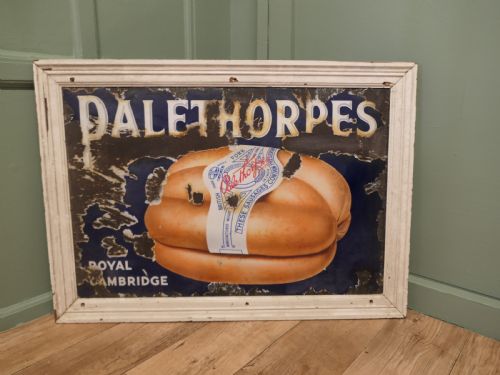
When you search for a retro metal sign, you encounter heavy advertising pieces, trade boards, and street markers originating from the Victorian era through the 1930s. The selection on this page centres on early twentieth-century commercial signage, including large pictorial examples and framed advertising boards.
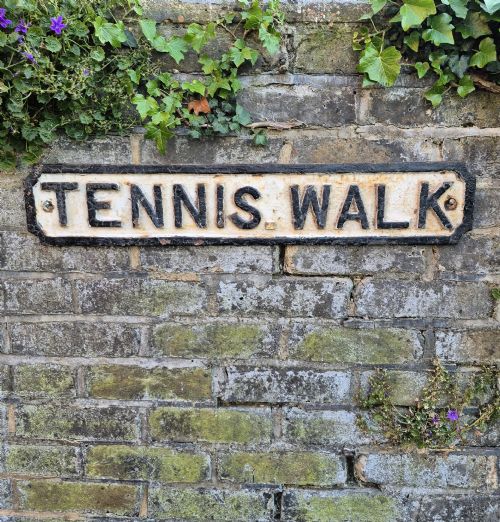
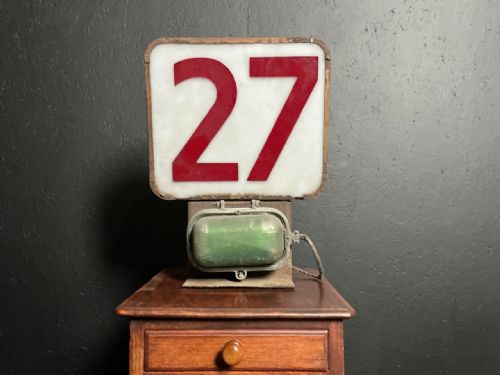
You frequently meet street signs and railway station markers alongside food and pharmacy trade displays. These objects carry the distinct industrial character of early British commerce, shaped by the demands of public advertising and municipal direction.
How they were made
Makers utilised iron and steel as the primary foundation for these robust signs, often forming them through heavy casting or pressing techniques. Vitreous enamel and paint were then applied to the metal surfaces to create durable, high-gloss finishes capable of withstanding outdoor elements.
Framed pieces incorporate wood to support and protect the heavy metal plates. The combination of fused glass enamel and iron created a resilient medium for public trade and railway advertising.
Retro Metal Sign Retail Price Guide 2026
Typical asking prices for retro metal sign among the pieces listed under this phrase on Sellingantiques today, from the lower quarter to the upper quarter. They describe what is for sale here now, not the wider market.
Listings feature items from the Victorian period, 1910, 1920, and 1930, utilising iron, enamel, paint, metal, vitreous enamel, steel, wood, and cast iron.
What varies in quality
The sophistication of the original pictorial design and lettering distinguishes finer examples from simpler municipal markers. Signs retaining their original wooden frames or specific trade attribution command greater visual interest.
The clarity and completeness of the vitreous enamel surface define the overall standard of preservation. Pieces showing crisp colour registration and intact trade typography represent the upper tier of this category.
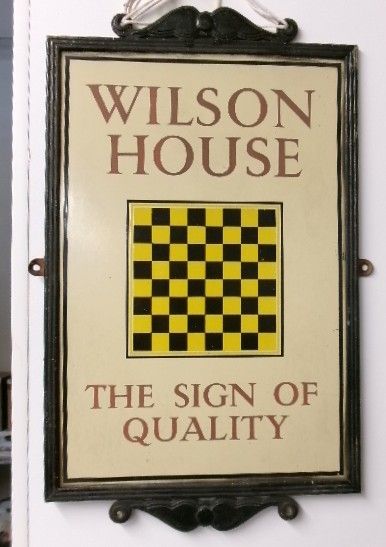
Palethorps Royal Cambridge·Wilson House·NER Train Station·Trebor·Wilmot
The Retro Metal Sign Glossary
- Vitreous enamel
- Glass powder fused to a metal substrate at high temperature. This technique produced a glossy, hard-wearing surface that resisted fading.
- Pictorial sign
- An advertising board featuring graphic illustrations alongside lettering. These pieces promoted specific brands and products directly to the public.
- Trade sign
- A board displayed outside a shop or business to indicate the trade carried out within. They served as both functional markers and early branding.
- Street sign
- A public directional marker placed to identify thoroughfares or walking routes. These items were built to municipal specifications for outdoor endurance.
Retro Metal Sign: Frequently Asked Questions
How were these signs originally mounted?
Many of these pieces were bolted directly to exterior brickwork on shops, railway stations, and street corners to withstand heavy weather.
Others were fitted with wooden frames or specialised brackets for interior trade display and station platforms.
What periods do these signs cover?
The available selection spans from the Victorian era through the 1910s, 1920s, and 1930s.
This timeframe captures the peak period of British enamel advertising and municipal metal signage production.
How do I hang a heavy metal sign?
Due to their substantial iron and steel construction, these signs require secure wall anchors and fixings rated for heavy loads.
Ensuring the weight is distributed evenly across a stud or solid masonry wall protects both the wall and the piece.
What materials make up these signs?
Makers relied on iron, steel, and cast iron as the core structural metals for these durable boards.
Surfaces were finished with paint or fused vitreous enamel, sometimes complemented by wood framing.