





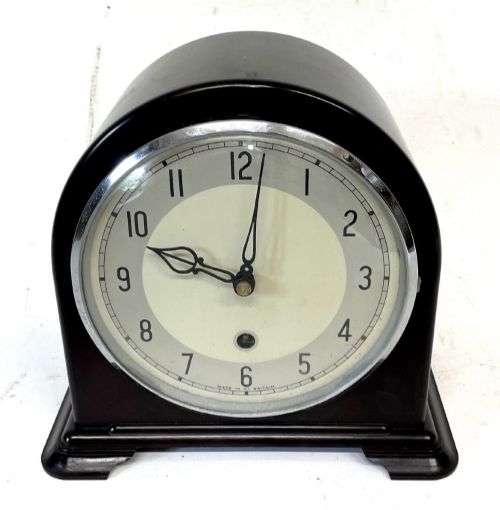


Retro Mechanical Clock
These retro mechanical clock pieces combine precision engineering with distinctive mid-century design, offering both reliable timekeeping and striking interior presence.
Retro Mechanical Clock
A retro mechanical clock encompasses a diverse range of timepieces spanning from the 1920s through the 1960s and beyond, reflecting major design movements such as Art Deco and Mid-Century Modern. Buyers seeking a retro mechanical clock will frequently encounter desk clocks, mantel clocks, and wall clocks produced across Britain, France, Germany, and Italy.
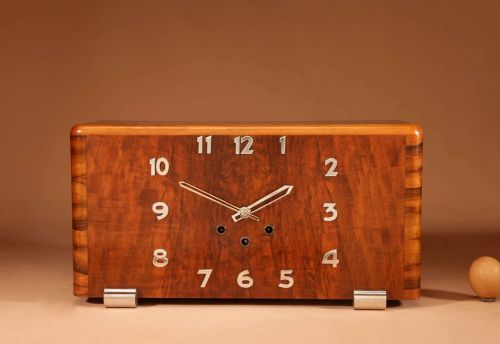
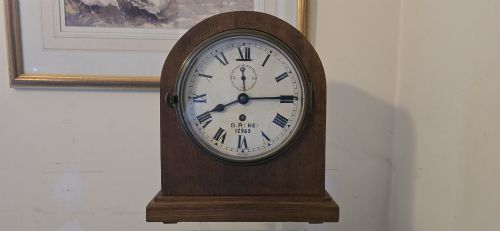
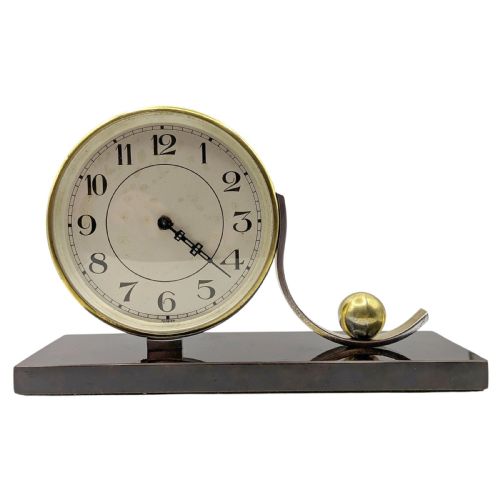
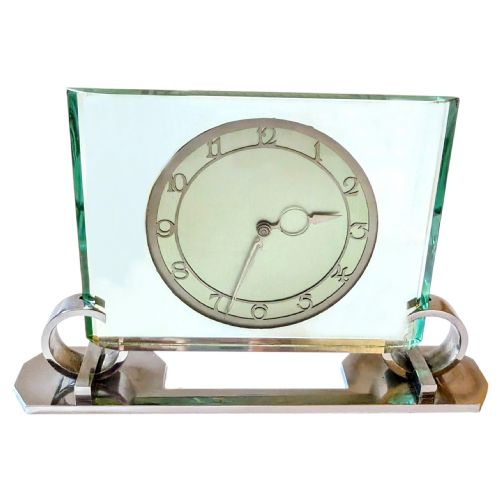
The selection on this page demonstrates significant variety in domestic and institutional timekeeping, including railway office clocks, military mess timepieces, and domestic alarm or desk models. Walnut veneer, bakelite, brass, chrome, and peach mirror glass dominate the physical forms available to collectors.
Mantel and wall clocks showcase distinct regional styling, from French Westminster chiming movements housed in walnut cases to British railway pieces bearing official markings. Each piece utilises traditional mechanical wind-up mechanisms that require manual intervention to maintain their 30-hour or 8-day power reserves.
How they were made
Mechanical movements inside these housings rely on metal gears, springs, and escapements, requiring skilled assembly by clockmakers such as Smiths, Jaeger LeCoultre, and Kienzle. Cases exhibit specialised construction techniques, including curved glass bending, precision chrome plating, and polished wooden veneering.
Retro Mechanical Clock Retail Price Guide 2026
Typical asking prices for retro mechanical clock among the pieces listed under this phrase on Sellingantiques today, from the lower quarter to the upper quarter. They describe what is for sale here now, not the wider market.
The listings demonstrate a strong representation of 1930s Art Deco design, utilising materials such as bakelite, chrome, and walnut veneer alongside mid-century military and railway pieces.
What varies in quality
The tier of a piece depends heavily on the sophistication of its movement and the prestige of its maker, distinguishing standard mass-market timepieces from precision instruments produced by specialised clockmakers. Premium examples often feature complex mechanisms such as Westminster chimes, carillon strikes, or 8-day power reserves alongside world-time complications.
Material execution and case finishing further divide the range, separating simple pressed metal housings from heavily engineered chrome, thick bevelled mirror glass, and meticulously figured walnut cabinetry. The presence of specialised signatures, military issue markings, or fully serviced mechanical movements adds notable depth to an individual piece.
Smiths Clockmakers·Jaeger LeCoultre·Kienzle·Bayard·Vedette
The Retro Mechanical Clock Glossary
- Bakelite
- An early form of synthetic thermosetting plastic frequently moulded into geometric Art Deco clock bases and cases during the 1930s. Its durable nature made it popular for office and domestic desk clocks.
- Westminster
- A traditional four-note quarter-chiming melody utilised by mantel and wall clocks of the period. This acoustic feature is typically driven by a secondary gear train within the mechanical movement.
- Carillon
- A set of tuned bells or gongs struck in a specific sequence to produce a musical chime. These mechanisms appear within larger wall and mantel clock housings.
- Broad Arrow
- A British government property mark stamped onto military equipment, including office and mess clocks issued to the armed forces. It serves as an official indicator of official Crown service.
- Veneer
- A thin layer of decorative wood, such as walnut, applied over a secondary timber core to create geometric grain patterns on clock cases. This technique defined much of the Art Deco furniture and clock design.
Retro Mechanical Clock: Frequently Asked Questions
How do I wind a mechanical desk clock?
Mechanical desk clocks require a key or an attached butterfly key to tension the internal mainsprings manually. Care must be taken not to over-wind the movement once resistance is felt.
Depending on the specific model, the power reserve will sustain operation for thirty hours up to eight days before requiring another wind.
What is an eight day clock movement?
An eight day movement refers to a mechanical gear train designed to run continuously for over a week on a single full wind. This reduced the frequency of manual maintenance required by household owners.
Such movements are commonly found in higher-tier desk and mantel pieces from the mid-century period.
How do I identify an Art Deco clock?
Art Deco clocks are distinguished by their geometric silhouettes, symmetrical stepped forms, and contrasting material combinations like chrome and walnut. Numerals on the dial often feature stylized sans-serif typography typical of the 1930s design era.
Peach mirror glass and bakelite accents frequently support this distinct aesthetic.
Were these clocks used on railways?
Railway companies utilised robust mechanical clocks for station offices, headquarters, and operational spaces to maintain strict scheduling. British Rail examples often feature specialised regional lettering and institutional inventory stamps on the dial or case.
These pieces were engineered for high reliability under continuous daily use.
Can these vintage clocks keep accurate time?
While mechanical movements can be adjusted via a regulator lever on the escapement, vintage clocks may fluctuate slightly compared to modern quartz timepieces. Regular servicing by a professional helps maintain optimal operational accuracy.
Environmental factors like temperature and placement on a level surface also influence performance.