






Retro Lighting Pairs
Retro lighting pairs bring matched illumination and period character to a room, spanning wall sconces, pendants, and chandeliers from the early twentieth century.
Retro Lighting Pairs
When you search for retro lighting pairs, you encounter matched sets of vintage light fixtures designed to illuminate interiors with coordinated style. These dual sets provide balanced design for walls, ceilings, and tables across domestic and architectural spaces.
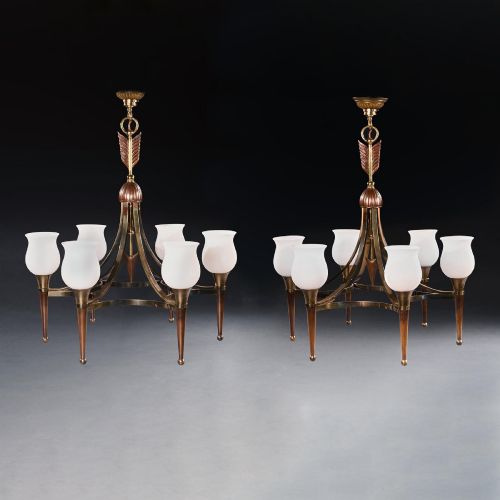
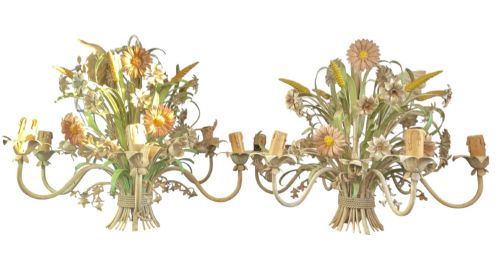
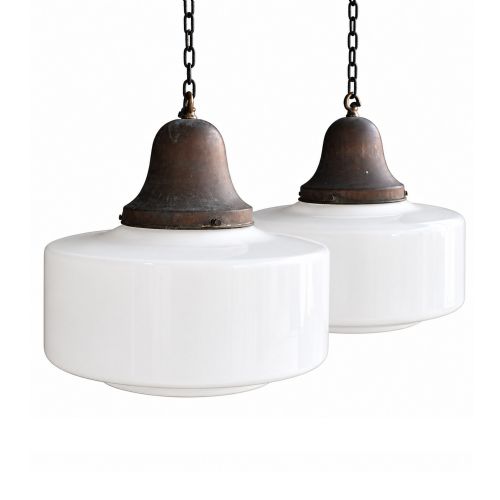
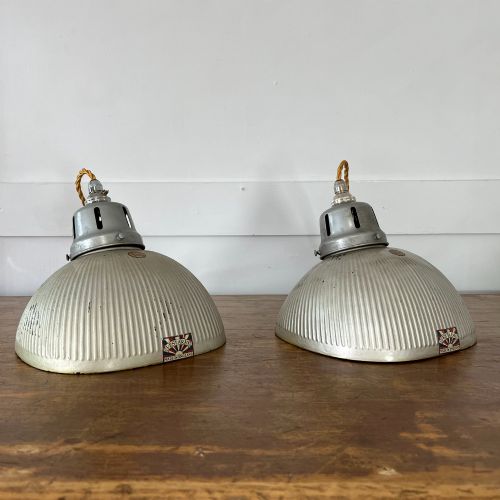
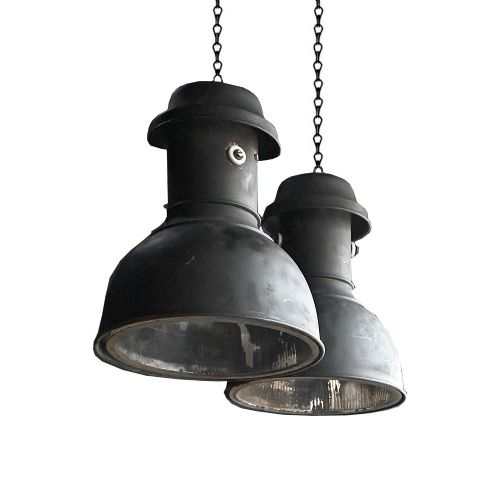
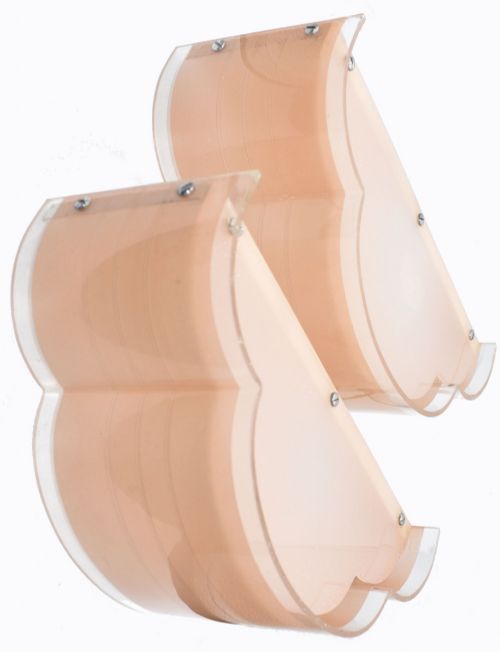
The most common examples on this page are Art Deco wall light sconces from the 1930s, featuring matching chrome, glass, and bakelite construction. Alongside these, buyers find industrial factory lights, church lights, and Italian painted toleware chandeliers from periods spanning the Edwardian era to the 1940s.
How they were made
Makers utilised durable metals such as chrome, brass, iron, and steel to form the structural bodies, frames, and wall brackets of these fixtures. These metal components were often cast, pressed, or painted in styles ranging from Florentine to modernist industrial designs.
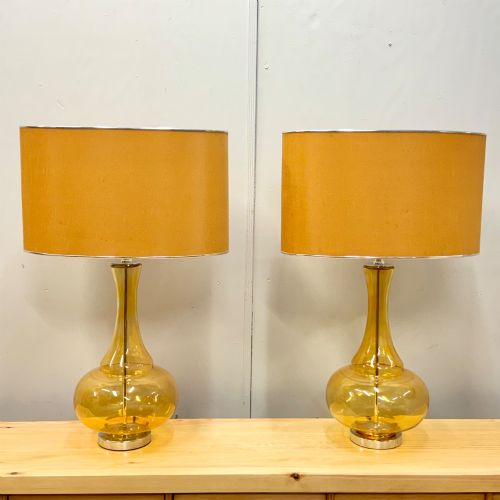
Glass forms a central component, utilising frosted glass, amber glass, and opaline white glass shaped into cloud, flame, or dish profiles. Plastics such as catalin and bakelite appear alongside glass and metal elements in 1930s pieces.
Retro Lighting Pairs Retail Price Guide 2026
Typical asking prices for retro lighting pairs among the pieces listed under this phrase on Sellingantiques today, from the lower quarter to the upper quarter. They describe what is for sale here now, not the wider market.
Listings feature items dated from the Edwardian period through the 1920s, 1930s, and 1940s, constructed from chrome, opaline glass, brass, and bakelite.
What varies in quality
The sophistication of the metalwork and the finish of the glass set the standard for each piece. Heavy chrome plating, cleanly moulded opaline or amber glass, and intact original painted details distinguish finer examples from simpler utilitarian items.
Coherence within the pair dictates overall desirability. Matched sets that retain their original components, synchronized patination, and unified design elements demonstrate greater integrity than assembled pairs.
VESTARAY
The Retro Lighting Pairs Glossary
- Opaline glass
- A milky, semi-translucent glass that diffuses light evenly across a room. It was frequently utilised in 1920s dish lights and wall fixtures.
- Bakelite
- An early form of synthetic phenol formaldehyde resin used for electrical fittings and structural mounts. Its dense, dark composition is characteristic of 1930s manufacturing.
- Toleware
- Painted or lacquered metalware, often decorated with floral or scenic motifs. Italian examples from the 1940s employ this technique on chandeliers.
- Sconce
- A wall-mounted lighting fixture designed to project illumination outward into a space. Art Deco examples often feature mirrored or chrome backplates to enhance reflection.
- Chrome
- Electroplated chromium over a base metal, providing a bright, reflective finish. It defines the metallic surface of 1930s modernist and Art Deco wall lights.
Retro Lighting Pairs: Frequently Asked Questions
What rooms suit retro lighting pairs?
Matched pairs of wall sconces or pendants fit naturally into hallways, living rooms, and bedrooms where balanced illumination creates symmetry. Wall lights work well flanking doorways or mirrors, while larger pendants anchor dining spaces.
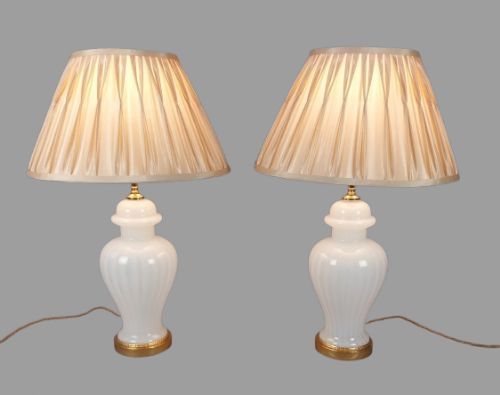
Industrial factory lights and church lights adapt to high-ceilinged spaces or kitchens, providing focused downward illumination. Smaller table lamps suit side tables and desks.
Are these lights ready for installation?
Vintage lighting fixtures often require professional rewiring and adaptation to meet current electrical standards before installation. Buyers should consult a qualified electrician to check internal wiring and mounting hardware.
Original lamp holders and wiring may need updating while retaining the exterior metal and glass components.
How do Edwardian and 1930s styles differ?
Edwardian lighting tends to reflect earlier decorative traditions with heavier brass or iron frameworks and traditional shade profiles. They feel more ornate compared to later designs.
Fixtures from the 1930s embrace modernist and Art Deco geometry, utilising chrome, opaline glass, and bakelite for cleaner, more industrial lines.